19, July 2018
Southern Cameroons crisis hits palm oil, cocoa production 0
The crisis in anglophone Cameroon is damaging the Southwest Region’s economy, with palm oil plantations closing and the cocoa trade tumbling, an NGO report said Wednesday. The Southwest Region faces almost daily clashes between the army and separatists in a conflict that originated mainly in Cameroon’s second anglophone area, the Northwest Region.
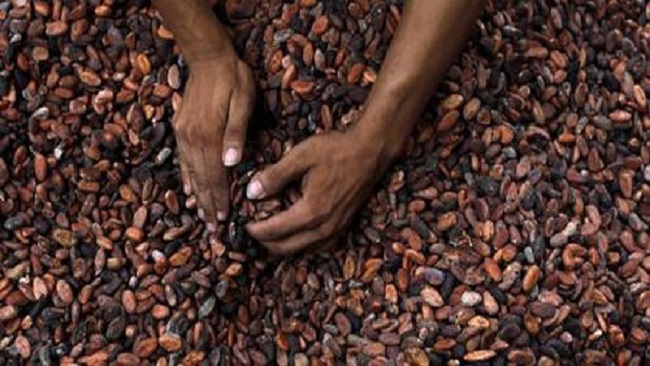
The state-run palm oil company Pamol has deserted some of its plantations, and cocoa and coffee production has stopped because villages have abandoned their crops, according to the Cameroon NGO Human Is Right. Sources at the private firm Telcar Cocoa, a market leader, told the NGO that insecurity in the region had caused an 80 percent fall in cocoa trade. Company officials should negotiate with fighters to secure their facilities in remote villages, the sources said. Meanwhile rubber and oil plantations have been abandoned in two of Southwest Region’s six districts, Ndian and Meme.
The crisis has led to a 70 percent increase in unemployment in the agricultural sector, the report found. Both the Southwest Region and the Northwest Region were once under British rule before joining francophone Cameroon in 1961 after independence. For years, resentment built among anglophones, fostered by perceived marginalisation in education, the judiciary and the economy at the hands of the French-speaking majority. Demands for greater autonomy were rejected by 85-year-old President Paul Biya, in power for more than 35 years, leading to an escalation that saw the declaration of the self-described “Republic of Ambazonia” in October last year.
www.vanguardngr.com



















7, August 2018
One and Indivisible Cameroon: 2nd Largest Employer Losing Workers to Conflict 0
Cameroon’s second largest employer, the Cameroon Development Corporation, says it may be forced to downsize because thousands of workers have fled fighting between security forces and separatists seeking an independent English-speaking state.
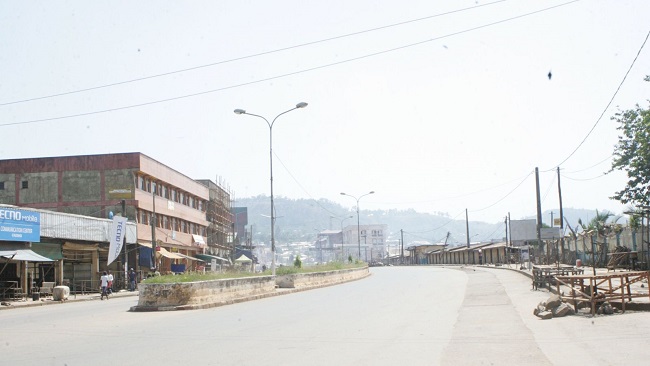
The atmosphere is quiet at the workers’ residential area of the Cameroon Development Corporation in Illoani, a village of about 5,000 people. But it’s not a holiday. Many workers at the CDC, a state-run agro-industrial company in the English-speaking southwest, have simply fled.
Armed separatists seeking an independent English-speaking state in April killed a Cameroonian soldier in the area. The attack touched off sporadic clashes that have since led thousands of villagers to flee the area, including more than 2,000 of the CDC’s 20,000 workers.
54-year-old William Kangue, a father of three, said he abandoned his job and fled the area because of ongoing clashes.
“The secessionist guys attacked in broad daylight,” he explained. “There were bullets flying everywhere, flying over my house. People got shot, civilians must [flee] especially. Many people have gone away from their communities and so their farms have been abandoned.”
The military on Sunday said separatists attacked at least nine villages in the southwest over the weekend, killing a policeman and four soldiers. More than 200 separatist fighters clashed with the military at Wotutu village, according to a military communique, home to hundreds of CDC workers.
The military’s report could not be independently verified.
Separatists seeking to establish an English-speaking republic within Cameroon consider the state-run CDC a legitimate target. The company’s vehicles, tractors, buildings and warehouses have been torched and some of their staff kidnapped.
Despite ongoing violence, some locals refused to run away.
Fifty-seven-year old CDC nurse Suzan Nenda said they have received threats from separatists to stop working and leave the area. But she rejects leaving the village of her birth.
“If death comes, then it is God’s making that I have to die,” she said. “People are not living in their houses. Most of them are in the bushes. Some of the houses are burned, some of the villages are burned. People don’t have places to stay so they have decided to stay in the bush. They build huts in the bush and stay there.”
The CDC runs banana, palm oil, and rubber plantations in Cameroon’s troubled southwest. But its Director General Franklin Njie said only one of its 11 estates is functioning normally.
“Most of our units, estates, oil mills, factories are shut down completely while some are operating timidly,” he said. “It is the only Debuncha palms estate that is operating normally, but amidst threats. Since the first of July 2018, the banana sector has been hit. The pack house [warehouse] was attacked and set ablaze. Till today, no work is going on.”
Njie said CDC’s gross revenue has dropped by 75 percent. He said if the attacks continue, they may be forced to lay off as many as 5,000 workers.
The unrest in Cameroon began in November 2016, when English-speaking teachers and lawyers protested being forced to use French in schools and courts and called for greater autonomy. The government crackdown that followed only encouraged separatists to take up arms.
Authorities say at least 300 people, including soldiers and police, have been killed in the fighting since.
Culled from the VOA