14, April 2026
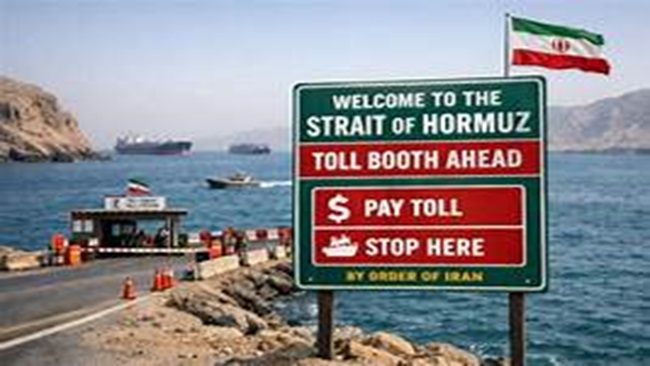
Strait of Hormuz: Joint statement by the heads of the International Energy Agency, International Monetary Fund, and World Bank Group 0
The Heads of the International Energy Agency, International Monetary Fund, and World Bank Group met today as part of the coordination group they established in early April to maximize their institutions’ response to the energy and economic impacts of the war in the Middle East. At the end of their meeting, they issued the following statement:
“As we noted earlier this month, the impact of the war is substantial, global, and highly asymmetric, disproportionately affecting energy importers, in particular low-income countries. The shock has led to higher oil, gas and fertilizer prices, triggering concerns about food security and job losses as well. Some oil and gas producers in the Middle East have also seen a dramatic loss of export revenue.
The situation remains very uncertain, and shipping through the Strait of Hormuz is yet to normalize. Even after a resumption of regular shipping flows through the Strait, it will take time for global supplies of key commodities to move back towards their pre-conflict levels—and fuel and fertilizer prices may remain high for a prolonged period given the damage to infrastructure. Due to supply disruptions, shortages of key inputs are likely to have implications for energy, food, and other industries. The war has also forcibly displaced people, impacted jobs, and reduced travel and tourism, which may take time to reverse.
Today, we shared our latest assessments, ahead of the release this Tuesday, April 14, of the IEA’s monthly Oil Market Report and IMF’s World Economic Outlook. We also discussed the situations of the countries most affected by the shock as well as the responses by our institutions. Our teams are working closely, including at country level, to leverage our respective expertise and help countries through tailored policy advice and, in the case of the IMF and World Bank, financial support where needed.
We will continue to monitor closely and assess the impact of the war on energy markets, the global economy and individual countries, and to coordinate our response and support to our member countries—working with, and drawing on, other international organizations’ expertise as needed to lay the foundations for a resilient recovery that delivers stability, growth and jobs.”













15, April 2026
The Holy Father under the Cameroonian skies: we welcome you with open arms 0
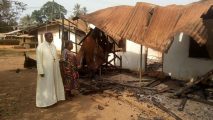
Anglophone Roman Catholic Bishops wrote a brilliant letter to the 93-year-old butcher in Yaoundé and suggested possible ways of ending the crisis in Southern Cameroons. Biya spurned disdainfully the Bishops. A francophone Roman Catholic Bishop of the Diocese of Bafia was murdered and his body dumped inside a river. Till this day, the Biya regime has not commented on the sad incident.
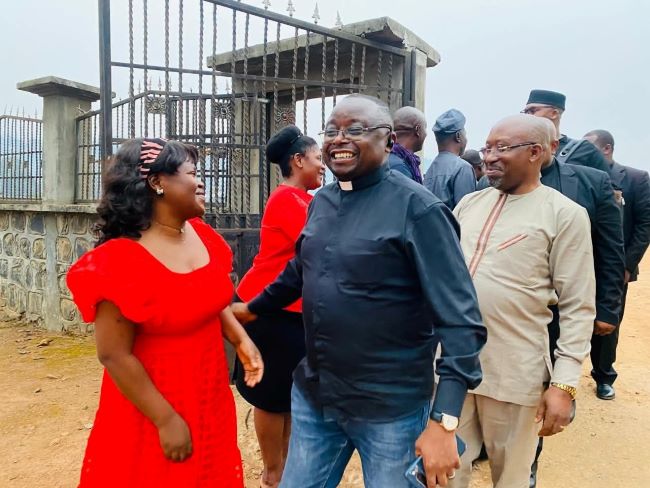
Today in Yaoundé, the nation’s capital, as the sun rises over the seven hills, Cameroonian Bishops and the Prime Minister and Head of Government Chief Dr Dion Ngute extended a profound and sincere welcome to the Holy Father Pope Leo, whose presence in the divided nation marks a moment of grace, unity and renewed spiritual reflection.
Cameroon, often referred to as Africa in miniature is indeed a land of rich diversity of cultures, languages and traditions living together differently in a poorly concocted national identity. It is within this tapestry that the Cameroonian Bishops from both English and French speaking parts of the country and members of government received the nation’s distinguished guest the Holy Father Pope Leo with confidence that his pastoral mission will resonate deeply with the hopes and faith of the Cameroonian people.
The coming of the Holy Father to a sick nation is more than a ceremonial occasion. We of the Cameroon Concord News Group see it as a spiritual encounter. At a time when Cameroon is facing uncertainty, division and hardship, Pope Leo’s message of compassion, justice and peace carries particular significance. For all the faithful across the nation, Pope Leo’s presence is a reminder of the enduring strength of community, the importance of political reconciliation of both La Republique and Southern Cameroons and the call to serve one another with humility and love.
We of the Cameroon Concord News Group trust that the Holy Father’s pastoral trip to Yaoundé, Douala and Bamenda will be both meaningful and restorative. May the Holy Father Pope Leo find in our Roman Catholic churches the fervor of our prayers, in our French and English speaking communities the warmth of our Cameroonian hospitality and in our troubled nation the resilience and dignity of a people committed to faith and progress.
As Pope Leo journeys through Yaoundé, Douala and Bamenda, may his words inspire genuine dialogue, healing and renewed commitment to the common good of the Cameroonian nation. And may this visit strengthen the bonds between the Holy Roman Catholic Church and the people of Cameroon, leaving a lasting imprint on our shared spiritual journey.
Holy Father Pope Leo, Cameroon welcomes you with open arms. May your stay be peaceful, enriching and filled with the grace you so generously bring to others.
To this I put my name
Soter Tarh Agbaw-Ebai
Chairman/Editor-In-Chief