19, January 2024
Biya’s Oppressive Reign: A call for liberation by the Cameroonian people 0
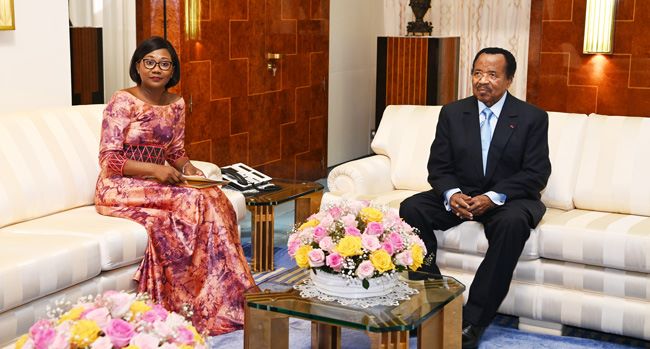
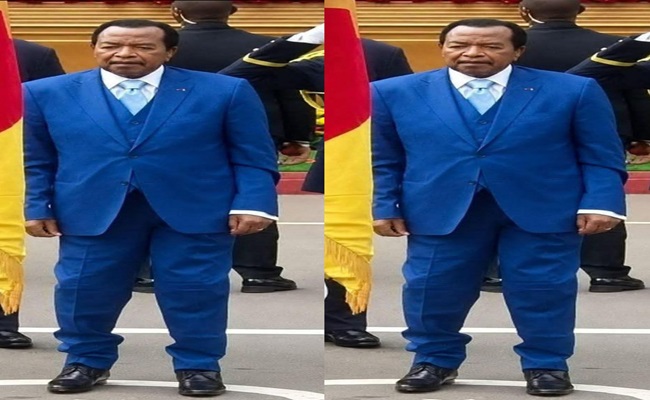
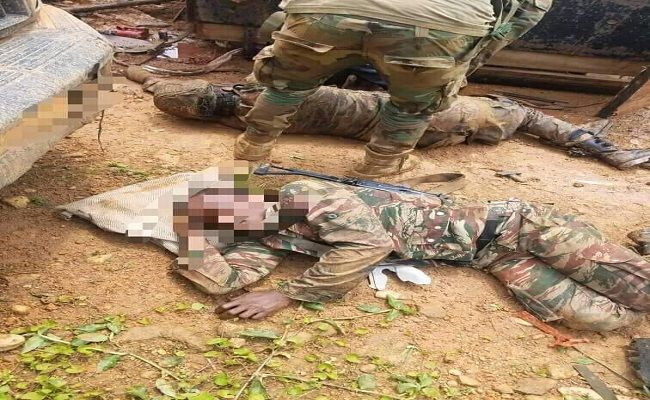
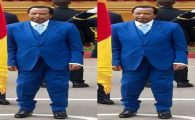
Yaoundé, the nation’s capital is currently hosting a 91-year-old figurehead known as the “head of state,” Paul Biya. Biya commands a reputation of unrelenting tyranny, orchestrating several internal suppressions and also fostering instability throughout Southern Cameroons. His regime’s genocidal campaign in Southern Cameroons has sown discord and has earned Biya global recognition as a heartless dictator.
Cameroon is reeling under a ruthless crackdown on dissent, political assassinations are reinforcing the image of a despotic ruler and allegations of the regime’s secret service killing of journalists is underscoring Biya’s oppressive tactics, painting him as an adversary to the Cameroonian people.
The Biya Francophone inhumane acts including his recent appointment of the late Professor Joseph Owona’s son as rector of the University of Yaoundé are perceived as strategies to maintain power for his ruling Beti-Bulu tribes while plunging the nation into a dark and shameful era. Despite this oppressive climate, various segments of the Cameroonian society including the Holy Roman Catholic Church persist in their pursuit of freedom and justice. Their resistance, though challenged, serves as a testament to their unwavering commitment to a fairer society.
Several damning reports by Human Rights Watch and Amnesty International offers a chilling glimpse into Biya’s brutal tactics, particularly in targeting and torturing Southern Cameroons detainees. These revelations highlight the depth of the Yaoundé regime’s atrocities and demand urgent international attention and accountability for these gross human rights violations.
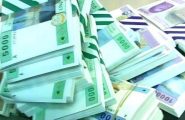
Revelations about staggering corruption, exemplified by the looting of billions of CFA Franc by top military barons, shed light on the pervasive corruption entrenched within the government. This corruption, compounded by repression, crime, and ongoing looting, reflects the dire need for a regime change in Yaoundé and immediate introduction of democratic and rights-based governance.
Liberation can only come through a shift to a new United Republic of Cameroon—one that respects human rights and democratic principles. The only plausible solution appears to be the overthrow of this Biya regime, get Cameroonians out of darkness and misery, and usher in an era of freedom and progress.
The oppressive grip of the Biya Franceophone Beti Bulu regime has cast a shadow over Cameroon, perpetuating a narrative of tyranny, corruption, and human rights abuses. Despite the regime’s iron-fisted tactics, the resilience and unwavering commitment of segments of Cameroonian society to justice and freedom stand as a beacon of hope in the face of adversity.
The recent journalist Martinez Zogo affair underscores the urgent need for systemic change—one free from the shackles of oppression and corruption.
The journey toward liberation may be arduous, but the determination of the Cameroonian populace to strive for a just and free society remains unyielding. The world’s attention must remain focused on the plight of both French and English speaking Cameroonians and their quest for fundamental rights, ensuring that their voices resonate on the global stage and demanding accountability for the egregious violations committed under Biya’s rule.
By Isong Asu
Cameroon Concord News Group
London Bureau Chief










19, January 2024
North Korea conducts ‘underwater nuclear weapons system’ test 0
North Korea says it has carried out a test of its “underwater nuclear weapons system” in response to drills by the US, South Korea and Japan this week.
The test of its supposedly nuclear-armed underwater drones took place off its east coast, state media reported.
The North has claimed tests of its “Haeil-5-23” system before but the weapons have never been independently verified.
South Korea and allies have yet to respond to the latest provocation.
But it comes as the North has ramped up military action in recent weeks, including claiming to have deployed a new solid-fuelled intermediate-range ballistic missile on Sunday.
That followed live-fire drills at the maritime border with South Korea in the first week of January.
Pyongyang leader Kim Jong Un has also been increasingly aggressive in his policy direction and rhetoric – ending several agreements aimed at peace-keeping in recent months.
On Friday, North Korea said it had been provoked by joint drills by Washington, Seoul and Tokyo to carry out a test of its underwater weapons, according to a report by state agency KCNA.
It accused the exercises of “further destabilising the regional situation” and threatening the North’s security.
The US, South Korea and Japan say they have conducted more exercises in the past year as a deterrence response to the increasing frequency of North Korea’s military actions, which include multiple tests of its nuclear ballistic missiles and launches of new weapons. All such actions are in breach of UN sanctions.
But Mr Kim has repeatedly said his regime is building up its military arsenal in preparation for war that could “break out at any time” on the peninsula.
Over the New Year period, he signalled some fundamental policy shifts in his regime’s stance to South Korea.
And earlier this week he declared the former bedrock goal of re-unification with South Korea was over, designating the South as the “principle enemy”.
The rhetoric follows several claimed advances in his country’s military and nuclear capabilities – including in its underwater operations.
Source: BBC