
2, August 2019
600,000 children with no school in Southern Cameroons 0
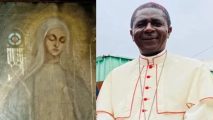
Cardinal Christian Tumi, the Archbishop emeritus of Douala, has called for the schools in Cameroon’s troubled Anglophone regions to be re-opened at the beginning of the forthcoming scholastic year, two months from now.
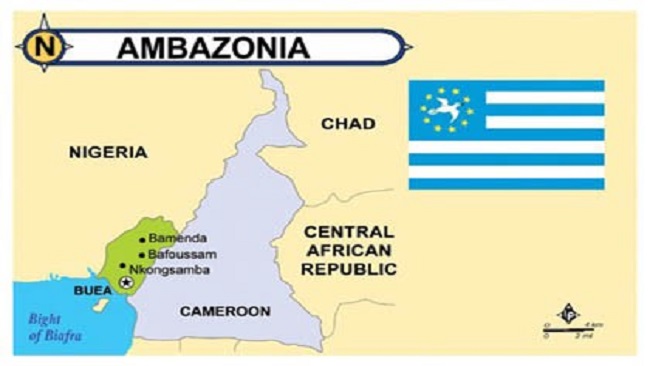
The country’s North West and South West regions have been suffering an ongoing insurgency by English-speaking rebels complaining of discrimination and marginalization by the French-speaking majority.
The boycotts began in 2016 with a strike by lawyers and teachers protesting the use of French in courts using the Anglo-Saxon common law tradition (practiced in the English-speaking parts of the country) and in Anglophone schools, and it soon boiled over to the general public, with many Anglophones calling for outright secession.
Schools’ boycott
Since then, armed rebels have enforced the school boycott, leaving children in the two regions without an education for three years. “It can’t continue this way,” the cardinal told Crux in his Douala residence.
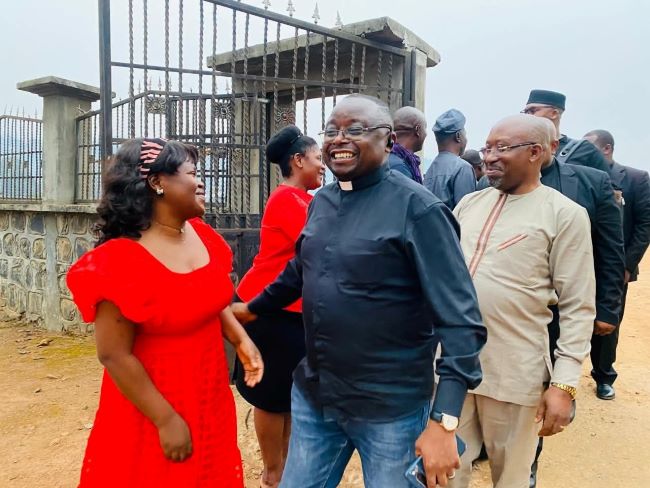
In a recent visit to his hometown Kumbo, Cardinal Tumi said he came home with the shocking realization that schools in that part of the country do not function anymore. “A people who go for a single moment without school – what future do they have?”
“Assuming that these boys become political leaders tomorrow, where will they get the educated ability to work with for the good of the state?” asked the cardinal, referring to the rag-tag force fighting for the independence of the English-speaking regions of Cameroon.
The Prelate noted that most of these boys are illiterate, and he said he doubted whether they really understand “the importance of education for the human being.” He also admonished them for kidnapping teachers and students and described such actions as “torture.”
“There is a Catholic school in my village – St. Augustine’s College – where they went and kidnapped 150 students at night. These were children between 12 and 14 years. They were taken at night without shoes on and forced to trek for several kilometers. It’s torture,” the cardinal said.
“No matter their convictions, even if they are convinced that it’s necessary to continue fighting against established authority, they should allow schools to continue,” Cadinal Tumi said.
600,000 children with no school
Church leaders in Cameroon have accused the government of being heavy-handed in its actions against the separatists, and complained that innocent civilians are the ones suffering the most.
Rather than negotiate, the government opted for military force to quell the tensions, leading to several deaths. So far, at least 2,000 people have died in the conflict, and over 400,000 have been driven from their homes.
In 2017, several Anglophone groups called for a stop to the school boycott, calling it counter-productive, but were brandished as traitors by the separatists and school authorities who tried to reopen schools, and students who tried to attend them, were often kidnapped.
UNICEF, The UN’s children’s agency, estimates over 600,000 school-aged children aren’t attending classes in the Anglophone regions.
“Prior to October 2016, more than 6,000 schools were operational within the region. As of December 2018, less than 100 schools were operational; meaning nearly 5,900 schools were closed down with over 40,000 students out of school and over 40 schools burnt down,” said a July 9 statement by the Center for Human Rights and Democracy in Africa.
Source: NewsBook
















2, August 2019
Sadou Hayatou, former Cameroonian prime minister dies, aged 77 0
Former Prime Minister Sadou Hayatou and National Director of the Bank of Central African States BEAC well known for the role he played in the so called Yaounde Tripartite Talks has died in Switzerland, aged 77.
Sadou Hayatou served as Prime Minister and Head of Government under the Biya CPDM crime syndicate from April 26, 1991 to April 9, 1992.
Born on February 15, 1942 in Garoua, Sadou Hayatou was appointed into the government of Cameroon as Minister of Agriculture in 1984. In 1990, he was again appointed Secretary General at the Presidency of the Republic of Cameroon-a position he occupied until he was made Prime Minister in 1991.
After his time as Prime Minister, Hayatou headed the Bank of Central African States, BEAC. Cameroonians were told that the late Hayatou left BEAC on the 1st of January 2008.
Despite the official retirement age at the Bank being 60, Sadou Hayatou was kept in BEAC for five additional years by the BEAC Governor.
By Rita Akana with files from Journal du Cameroon