
19, March 2026
No tickets will be sold for Pope Leo XIV’s masses in Cameroon 0
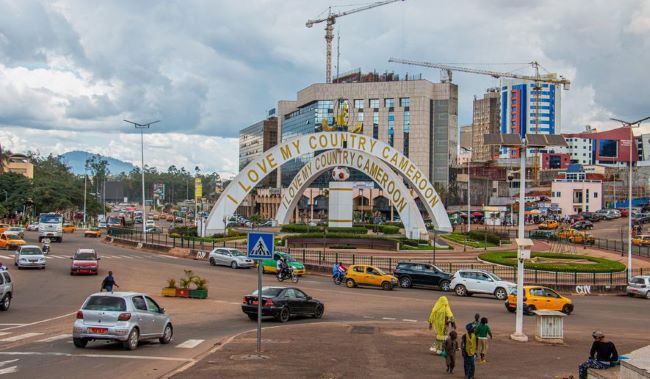
A poster circulating widely on WhatsApp claims that access fees will be charged for masses to be celebrated by Pope Leo XIV during his apostolic visit to Cameroon. The poster, shared for several hours on the messaging platform, lists fees ranging from 10,000 to 100,000 CFA francs to attend celebrations in Yaoundé, Bamenda and Douala. The claim is false: the Apostolic Nunciature in Cameroon has formally denied that any tickets are being sold.
An image widely shared on WhatsApp claims to be an official poster for the apostolic visit of Pope Leo XIV to Cameroon, scheduled for April 15-18, 2026. The image lists several categories of access to papal masses: “ticket” (10,000 CFA francs), “comfort” (30,000 CFA francs), “premium” (50,000 CFA francs) and “ultra VIP” (100,000 CFA francs), and includes a WhatsApp number for reservations.
Several elements suggest the poster is not authentic. It does not display the official logo of the Catholic Church in Cameroon, refers to a ticketing system that is unusual for papal masses, and uses a graphic style more typical of commercial promotional posters.
Official framework of the visit
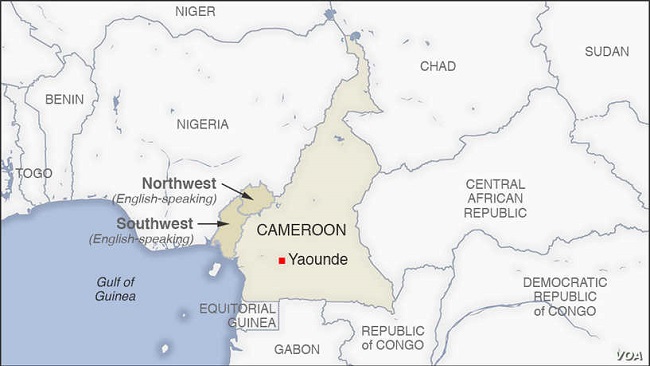
On February 25, 2026, the Civil Cabinet of the Presidency of Cameroon announced that Pope Leo XIV would undertake an apostolic visit to the country from April 15 to 18 at the invitation of President Paul Biya. The program includes stops in Yaoundé, Bamenda and Douala.
Local church authorities have also begun announcing the celebrations planned during the visit. The Archdiocese of Bamenda, for example, confirmed in a communiqué dated March 8 and published on March 13 that a mass will be celebrated at Bamenda Airport on April 16. The document does not mention any payment required to attend.
Official denial
Following the circulation of the poster, the Apostolic Nunciature in Cameroon issued a clarification stating that no tickets are being sold for the papal visit.
In its statement, the Nunciature confirmed that access to all liturgical celebrations presided over by Pope Leo XIV in Yaoundé, Bamenda and Douala will be entirely free. It added that no ticket sales or paid reservations have been authorized.
The Nunciature also warned against any private initiative seeking to charge for access to papal masses and called on the faithful to focus on the spiritual preparation for the visit.
The Archdioceses of Yaoundé and Douala also dismissed the poster on social media, stating that access to papal celebrations is free and that the message circulating online is a scam.
The poster claiming that access to Pope Leo XIV’s masses in Cameroon requires payment is misinformation. Church authorities confirm that attendance at the celebrations during the apostolic visit will be free.
Source: Sbbc












19, March 2026
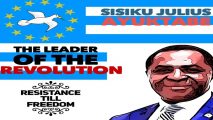
Ambazonia Crisis: latest on Sisiku Ayuk Tabe’s arrest, trial and conviction 0
FRENCH CAMEROUN SUPREME COURT ORDERS RETRIAL IN LANDMARK CASE OF NERA 10, NULLIFIES APPEAL COURT PROCEEDINGS
Yaoundé, Cameroon – 19-03-2026
We wish to inform the public and the international community that following today’s proceedings at the Supreme Court in Yaoundé, our leaders, SisikuAyuktabe and his team have been returned to prison after a significant and dramatic development in their case.
We wish to officially inform the public of the following outcomes:
This decision marks an important, though modest, step forward in the pursuit of justice. By nullifying the earlier proceedings, the Supreme Court has effectively recognized that the prior Appeal Court trial was fundamentally flawed and constituted a miscarriage of justice.
This also marks a significant turning point in the legal journey of the Nera 10. While it does not yet bring final closure, it reopens the path toward a fair hearing and reinforces the continued pursuit of justice.
While our leaders remain in detention in good spirits, they take solace in this development as a sign that truth and justice are gradually prevailing. They are resolute, encouraged, and unwavering in their commitment to see justice fully served.
We call on all people, people of goodwill, supporters, and the International Community to remain attentive, engaged, and supportive as this case returns to the Court of Appeal. The struggle for justice, fairness, and the respect of fundamental rights continues.
Further updates will be communicated as developments unfold.
Dabney Yerima
Vice President,
The Federal Republic of Ambazonia