10, August 2026
Far North Region: 8 killed in suspected Boko Haram raid 0
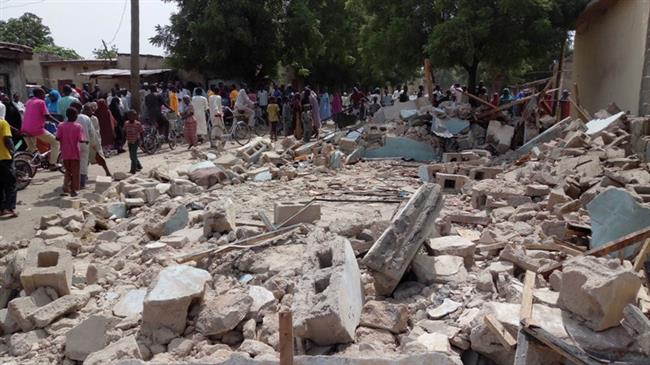
Suspected Boko Haram fighters killed at least eight people and injured one in an overnight attack on Kangaleri village in the Mayo-Sava division of Cameroon’s Far North region, local sources said Saturday.
The sources said the attack occurred at around 11 p.m. local time Friday, when the gunmen entered the village under cover of darkness, a tactic the group frequently uses, before fleeing the area.
Six residents were killed at the scene, while three others were badly wounded and taken for treatment. Two of the injured later died in a hospital, and one remained under medical care as of Saturday.
Authorities have not yet confirmed the exact circumstances of the raid.
In a separate incident the same night, gunmen believed to be from Boko Haram were reported in Tourou, a town in the Mokolo district near the border with Nigeria. Local sources said the assailants looted shops and livestock and damaged a market on the outskirts of the town. No deaths were reported from that attack.
The Boko Haram terror group has been carrying out attacks in Cameroon’s Far North region since 2014, inflicting heavy human and material losses across the region.
Source: Xinhuanet


















11, August 2026
Cameroon rights commission warns corruption threatens indigenous livelihoods 0
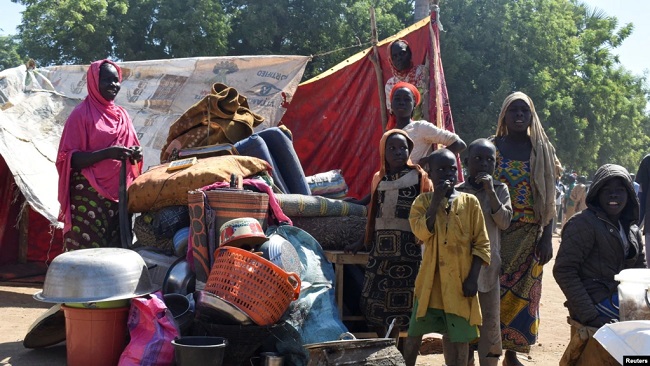
Corruption is threatening the livelihoods and access to public services of Indigenous communities in Cameroon, while also increasing their exposure to illegal exploitation of land, forests and other natural resources, according to the Cameroon Human Rights Commission (CDHC).
The Commission raised the concerns in a statement marking the International Day of the World’s Indigenous Peoples on August 9, 2026. The 32nd edition was held under the theme “Honoring Indigenous Midwives: Preserving Life and Well-Being.”
The CDHC described corruption as a factor that compounds the economic and social difficulties faced by Indigenous communities. It said the problem can seriously undermine their rights, particularly when public resources intended for health, education, social protection or cultural heritage preservation are diverted from their intended purposes.
The issue is particularly significant for communities living in rural or forest areas where access to infrastructure and basic social services can already be limited.
Natural Resources at the Center of Concerns
The CDHC also linked corruption to growing pressure on natural resources. It said corrupt practices can facilitate illegal exploitation of land, forests and other resources on which Indigenous communities depend, sometimes without their free, prior and informed consent.
The consequences extend beyond environmental protection. For some Indigenous communities, access to forests and land supports food supplies, economic activities, traditional medicine and the transmission of knowledge.
Uncontrolled exploitation of these areas can therefore undermine incomes, food security and cultural heritage at the same time. The CDHC called for affected communities to have a more systematic role in decisions that could affect their territories and resources.
Indigenous Midwives Also Affected
Reflecting this year’s United Nations theme, the Commission also highlighted the situation of Indigenous midwives and the preservation of their traditional knowledge.
The CDHC said corruption can weaken the institutional support available to Indigenous midwives by depriving basic health facilities of essential medicines, adequate infrastructure and programs designed to support traditional medicine.
The issue therefore concerns both access to modern health services and recognition of community practices passed down through generations.
The Commission recommended that the ministries responsible for social affairs, public health, women and family affairs, and territorial administration involve Indigenous representatives, including midwives, more closely in policies concerning health, the environment, cultural heritage and local development.
Preserving and Passing On Traditional Knowledge
The CDHC also called on the Ministry of Arts and Culture to work with the ministries responsible for social affairs and public health to develop programs that document and preserve the knowledge of Indigenous midwives.
According to the Commission, these initiatives should respect communities’ free, prior and informed consent and involve traditional authorities, women’s organizations and the communities themselves. The aim is to preserve this knowledge, pass it on to future generations and recognize its contribution to community health.
Through its statement, the CDHC framed corruption as more than the diversion of financial resources. It also presented it as an issue affecting the economic, social, cultural and environmental rights of Indigenous communities.
The next challenge will be to translate these recommendations into mechanisms that give affected communities an effective role in decisions concerning their territories, natural resources and ways of life.
Source: Business in Cameroon