27, February 2026
Southern Cameroons Crisis: Situation Report 0
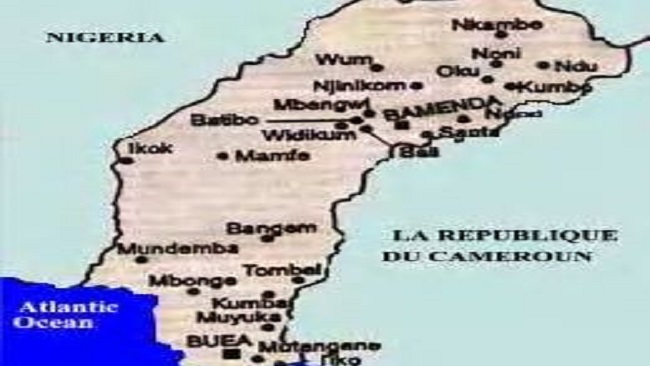
The security situation in the North-West and South-West regions remained tense in December. This period has been marked by frequent and intense violent clashes between non-state armed groups (NSAGs) and state security forces (SSF), leaving the security and humanitarian situation very fragile and volatile. Drawing towards the end of the year, multiplicity of illegal check points led to a high rate of extortion from the civilian population by NSAGs in the name of “Liberation tax” across most of the divisions in the two regions. Also, there has been an increase in arbitrary arrest, kidnapping for ransom, including some government current and former officials.
Over 14 incidents involving improvised explosive devices (IEDs) targeting government officials and military convoys were recorded in the North-West and South-West regions. One of these incidents involved IED targeting the convoy of the Donga Mantung Senior Divisional Officer, while another IED detonated beside a military base in Bamenda 1 subdivision targeting a senior SSF official in the North-West region. Another IED detonated against a SSF vehicle travelling along the Mundemba- Bulu road (Mundemba subdivision) in the South-West region. The use of IEDs in public places and on busy highways largely increases fear and poses high risk to civilian populations.
Continuous violence resulted in multiple population displacements with over 2,072 people from 400 households reportedly displaced to nearby bushes, villages, and towns from Donga-Mantung, Bui, and Mezam divisions, in the North-West and Manyu division in the South-West region with Bui, Manyu and Donga Mantung divisions being the most affected respectively. The displacements expose the affected communities to major protection risks among others, as they move to and from their homes seeking safety and protection, placing additional burdens on communities that are already very fragile.
Access was constrained due to insecurity and multiple informal check points with strict verification of “liberation tax” receipts, as well as imposition of large sums on road users including pedestrians. These restricted movements narrowed the humanitarian space and negatively affected response activities. With coordination support from OCHA, humanitarian partners mobilized to carry out needs assessment in preparation for a potential response to the affected population.
Source: reliefweb












28, February 2026
Sona Ngoh Appointed to the Board of Ziaur Rahman International Research Centre 0
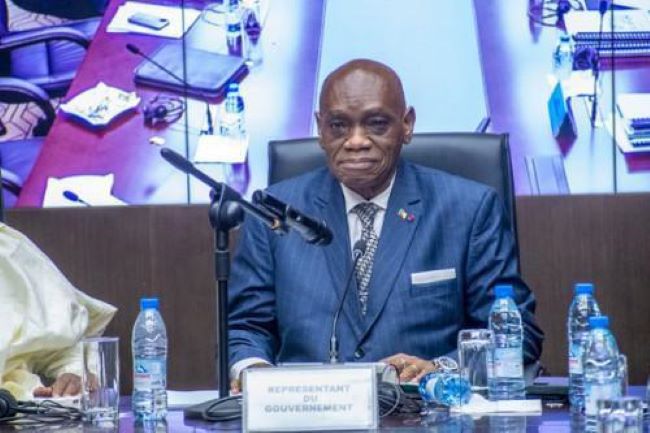
The Ziaur Rahman International Research Centre (ZRIRC) has announced the appointment of Sona Ngoh to its Board as a member of its international advisory panel, recognising his extensive professional experience and longstanding commitment to public service. He was elected from a pool of more than 100 nominees with another African MP and lawyer from Zambia, Mr Jeffery Mulebwa. Another Cameroonian, the economist, academic and former banker, Dr Rexon Nting, sits on the board as a member of the editorial committee.
Sona Ngoh is a distinguished chartered accountant with more than two decades of experience in auditing, taxation, and corporate finance. Throughout his career, he has consistently championed fiscal discipline, accountability, and transparency across both private and public sector roles. His strong command of financial systems has enabled him to contribute to sound economic management and responsible governance.
In addition to his professional accomplishments, Mr Ngoh serves as Vice President of the Committee for Finance, Infrastructure, Planning, and Economic Development at the South West Regional Assembly in Cameroon.
In this capacity, he has supported policies aimed at strengthening institutional accountability, encouraging sustainable development, and promoting economic growth for the benefit of local communities.
Mr Ngoh, as discussed by the board Chairman, Dr Mushfiqur Rahman, also brings valuable insight into governance, democracy, and human rights, developed through both research and practical engagement.
His interest in transparent institutions and inclusive development aligns closely with the centre’s mission to promote research, dialogue, and good governance.
His appointment to the Board is expected to enhance the centre’s strategic direction and strengthen its commitment to promote accountability, research excellence, and international collaboration.
He is likewise anticipated to leverage his role to deepen partnerships and commercial ties between Cameroon and Bangladesh. This will require him to frequently lead trade delegations to Bangladesh, as well as facilitate visits by Bangladeshi investors and business leaders to Cameroon and the broader sub-region that are keen to explore investment opportunities there.
He is expected in London soon for a meeting at the House of Commons with other board members.
The Ziaur Rahman International Research Centre was established as a Think Tank in London by scholars, former and current government officials, business figures, and supporters of Bangladesh who sought to honour the outstanding leadership of Ziaur Rahman, the former President and military leader of Bangladesh and founder of the Bangladesh Nationalist Party. His son, Tarique Rahman, won the elections this February 2026 and now serves as the Prime Minister of Bangladesh.
Following Ziaur Rahman’s assassination, his wife, Khaleda Zia, served as Prime Minister for many years.
By our London Correspondent