
13, June 2019
French Cameroun told to reveal details of Southern Cameroons detainees 0
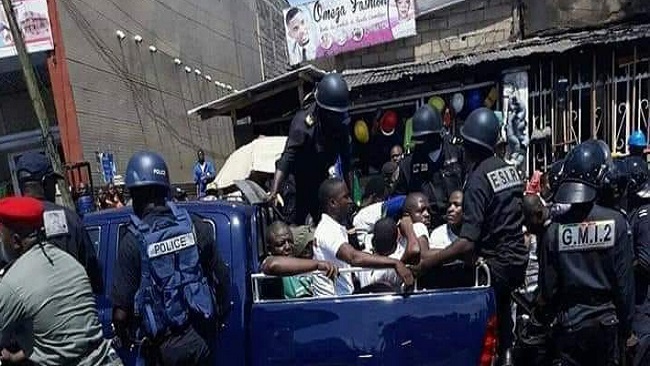
Southern Cameroonians and the international community including rights groups are working to get information about Ambazonia detainees who are being held in isolation in French Cameroun detention centres. The Biya Francophone regime has successfully stripped Southern Cameroons detainees of all of their belongings and leaving them in very dire conditions and hundreds have been banned from family visits.
French Cameroun has been strengthening its crackdown on Southern Cameroons in recent months. The Yaoundé government has gotten a device from France that is producing a powerful radiation and attempting to stop Ambazonia radio and SCBC television signals from penetrating into Southern Cameroons, in a bid to stop the Southern Cameroons Diaspora maintaining contact with Ground Zero.
Cameroon Intelligence Report has gathered that Southern Cameroons prisoners are suffering from depression, headaches and fainting in French Cameroun jails. Vice President Dabney Yerima issued a statement on Monday calling these French crackdowns “systematic”.
A Cameroon Concord News Group investigation revealed that the Nera 10 and over 75% Ambazonian prisoners in French Cameroun detention centres are restorationists and that Interim President Sisiku Ayuk Tabe is firm determined, courageous and bold to carry Southern Cameroonians to Buea.
A senior aide to Sisiku Ayuk Tabe arrested with the leader in Abuja, Nigeria hinted that President Ayuk Tabe and his advisers have organised a legal team to defend not only the Nera 10 but all Ambazonians detained in various French Cameroun jails. Sisiku Ayuk Tabe has also developed a case theory and strategy which lawyers are to use for all Ambazonia detainee cases.
The aide who sued for anonymity due to the difficult situation the Southern Cameroons struggle is now facing further pointed out that the Interim President has ensured that not only the Nera 10 have food but has from his detention cell sent teams to provide food and health assistance to all Southern Cameroons prisoners in Yaounde, Douala, Bamenda and Buea detention facilities. The Ayuk Tabe aide revealed that the leader has reached out to several IDPs in Yaounde , Douala, Bamenda and Buea with food and medical supplies.
We gathered from the posting from Kondengui that President Sisiku Ayuk Tabe has developed and presented a new protocol which has been widely circulated and restoration of the Ambazonia Homeland is the main focal point.
The Ambazonia leader has reportedly written to several international organizations, prominent world figures and countries on the deteriorating human rights situation in the Federal Republic of Ambazonia. The Southern Cameroons leader recently ensured that a petition was sent on behalf of Nera 10 to a human rights working group in Geneva.
We understand the Ambazonia leader saved the Southern Cameroons Interim Government that had been docile for over 8 months with ministers running from pillar to post while Southern Cameroonians were dying in Ground Zero.
By Rita Akana and Sama Ernest in Yaounde














14, June 2019
Biya Regime Says 88 People including 16 soldiers Killed in Boko Haram Attack 0
More than 80 people were killed, including 16 Cameroonian soldiers, during an attack by suspected Boko Haram Islamists in the north of the country, the defense ministry said.
Eight civilians and 64 fighters also died in the pitched battle in the Darak locality of Cameroon’s Far North Region on June 9, while another eight fighters were taken prisoner, Defence Minister Joseph Beti Assomo said in statement handed to reporters in the capital, Yaounde.
Based in Nigeria, Boko Haram has been waging a violent campaign since 2009 to impose its version of Islamic law in Africa’s most populous country. Its attacks have left tens of thousands of people dead and the violence has spilled into Niger, Chad, and Cameroon.
Source: Bloomberg