14, November 2023
Southern Cameroons Crisis: 4 soldiers, 6 Amba fighters killed in Belo 0
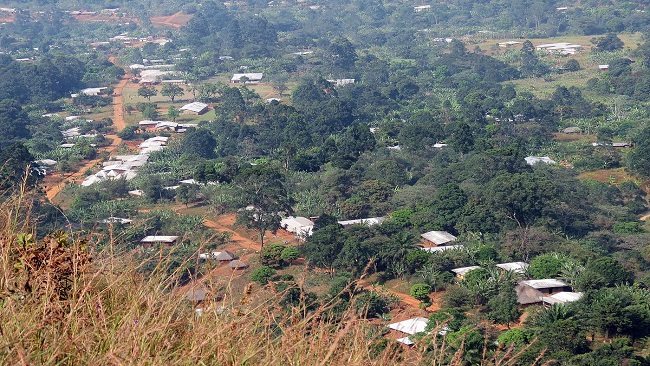
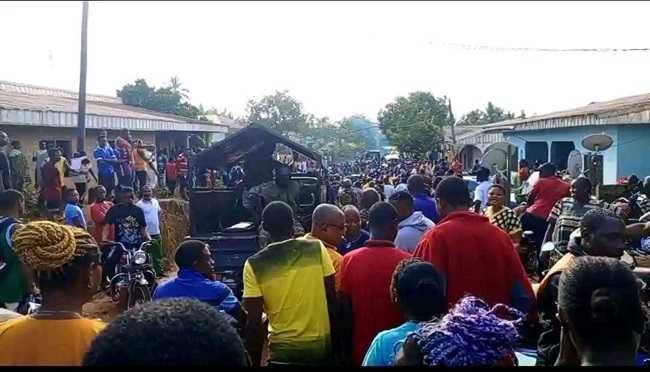
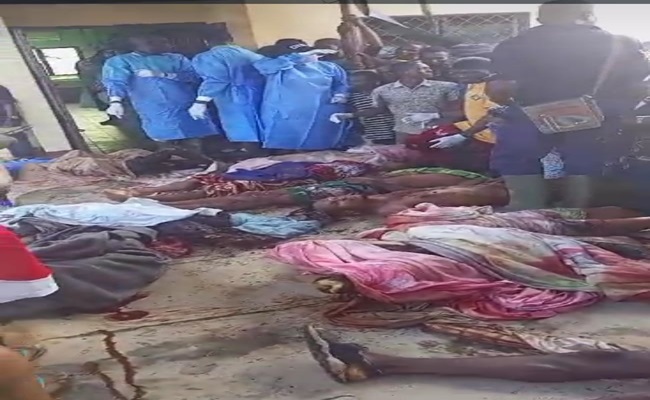
At least six separatist fighters and four soldiers were killed in clashes over the weekend in Cameroon’s restive Anglophone region of Northwest, local and security sources said Monday.
On Sunday, separatist fighters ambushed soldiers on patrol in Belo locality of the region, killing three of them after a shootout, a military official in the region, who requested not to be named, said.
On Saturday, another separatist attack in Bamenda town led to the death of a soldier identified as Zambo Biyidi, according to the official and witnesses.
The attack in Bamenda occurred barely hours after government troops raided a separatist hideout in Nguri locality of the region.
“Six separatist terrorists, including their commander, were killed in the military offensive. Many of them escaped with bullet wounds. Our brave soldiers are intensifying security measures to ensure that the people of this region enjoy a peaceful end-of-year festivities,” the military official said.
Local residents said the separatist fighters had “become a terror” for the people, engaging in kidnappings for ransom “all the time.”
Armed separatists have been clashing with government forces since 2017 in an attempt to achieve the “independence” of the English-speaking regions of Northwest and Southwest.
Source: Xinhuanet














14, November 2023
Yaoundé: Minister Beti Assomo urges tightened security for year-end celebrations 0
Defense Minister Joseph Beti Assomo on Monday warned that measures needed to be taken to tackle security challenges that will likely characterize end-of-year festivities.
“Our compatriots will have to live this end of year period in a security context marked by pockets of security concerns, particularly in the Far North, Northwest and Southwest regions,” Assomo said in Yaounde, the capital of Cameroon, during a security meeting.
These areas will experience increased economic activities and population movement during the festivities, Assomo said, adding that the defense and security forces are prepared to ensure a safe and peaceful environment for Christmas and New Year celebrations. Additional troops will be deployed to the Far North region, where Boko Haram attacks continue, as well as to the Anglophone regions of Northwest and Southwest, where an armed separatist insurgency is ongoing.
Source: Xinhuanet