4, October 2018
Boat capsizes in Guinea-Bissau, 60 feared dead 0
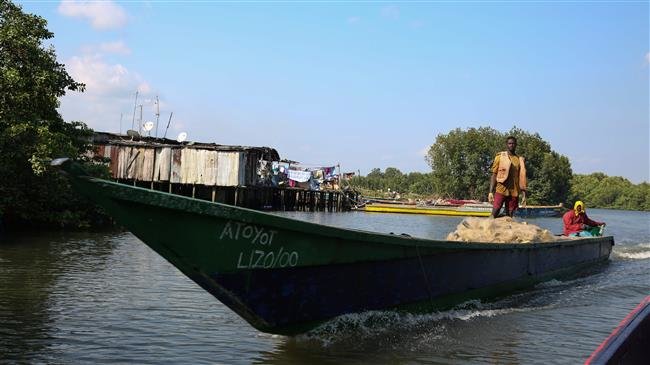
A small boat carrying refugees has capsized off the coast of the West African country of Guinea-Bissau.
Port officials said on Wednesday that the capsized boat may have had more than 60 people aboard.
Commander Siga Batista said the vessel, classified as a pirogue narrow wooden fishing boat, sank on Monday night in the Atlantic.
“An overloaded pirogue, transporting illegal migrants, capsized in our waters,” Batista told AFP by telephone, saying that the fisheries surveillance department had alerted him to the disaster.
“We don’t know how many people were on board when the boat sank, nor their identity or even their nationality. But according to information that has reached me there were more than 60 people on board the pirogue,” Batista said.
No survivors have been found but local radio stations have asked fishermen to tell authorities if they spot any bodies or passengers still alive.
The impoverished country, which has 200 kilometers of coastline and no patrol ships, was facing difficulty in launching a rescue operation.
“Due to the financial situation, we have had difficulty organizing a rescue operation,” Batista said.
The impoverished former Portuguese colony has been in the grip of a power struggle since August 2015.
Legislative elections are scheduled for November 18.

Asylum seekers set out from Africa, hoping to land in Europe and find a better life there.
According to the UN migration agency (IOM), in 2017, over 3,000 refugees lost their lives crossing the Mediterranean.
Source: Presstv














5, October 2018
Biya’s backers deny Southern Cameroons has left La Republique at rally in Ambazonia 0
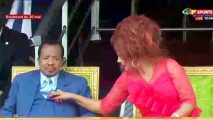
“One group can’t threaten the whole nation. We’re not scared,” said technician Mohamed Saulu Muha, 35, who travelled to the heart of the separatist insurgency engulfing Cameroon on Monday to support President Paul Biya.
Muha was one of several hundred pro-Biya activists who braved persistent insecurity and driving rain to journey through the foothills of the mountains around Buea to reach the capital of the majority English-speaking southwest region.
The southwest, along with the northwest, has been torn by two-years of clashes between English-speaking fighters, who want to break away from majority francophone Cameroon, and government forces.
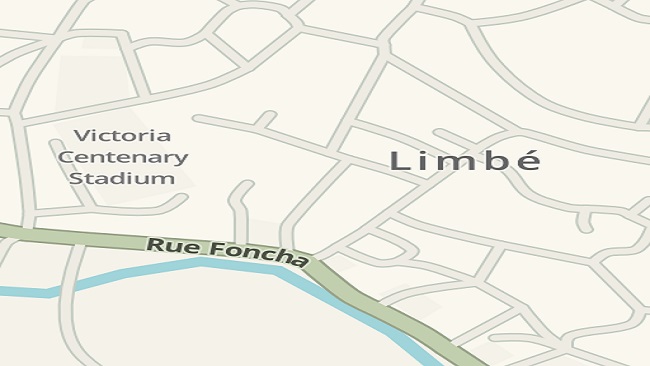
“No there’s nothing wrong here. I believe in Cameroon we have a system to fix problems,” added francophone Muha, from the nearby coastal town of Limbe, who wore green Islamic dress and a blue and a white Paul Biya scarf.
Around him women in wax print dresses emblazoned with the president’s face sang under Cameroon flag-coloured bunting, and men sat on plastic patio chairs played drums.
But even the town’s police chief was unsure if Biya would actually attend the rally. The president, dubbed “the Sphinx”, keeps a low profile and has so far only attended one campaign rally ahead of Sunday’s polls.
“We don’t know if he will come today — but there is no problem here,” commissioner Aboubakar Yacoubu told the media, adding that “those linked to the separatists have fled”.
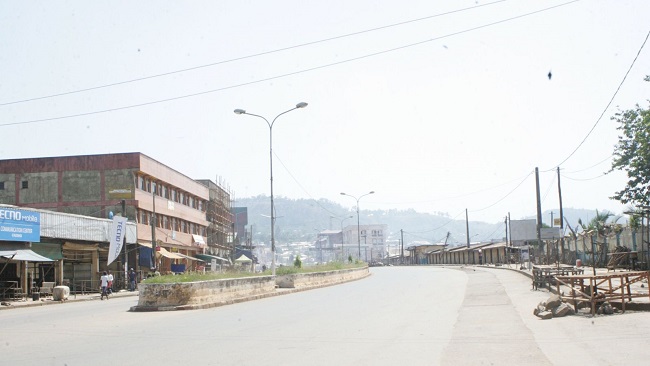
Despite Yacoubu’s confidence, the town and others in English-speaking regions were subject to strict curfews on Sunday and Monday as anglophone separatists marked one year since a symbolic declaration of independence.
‘Intimidate people with guns’
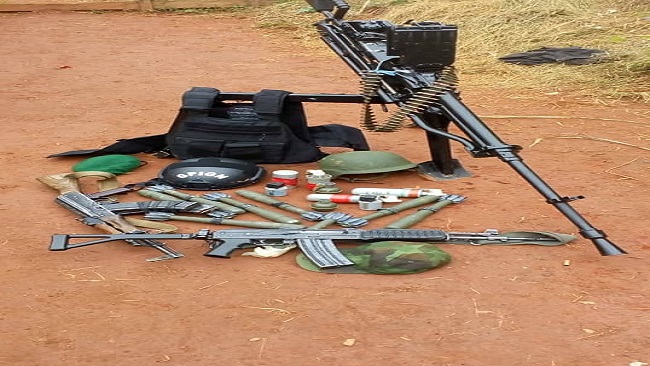
Gunfire was heard at three locations across Buea on Monday as skirmishes between secessionists and security forces continued unabated. More than 400 civilians, 170 security forces and an unknown number of separatists have died since the beginning of the crisis.
“The people of Buea support Biya.
The majority here are local. We want to say no to all the actions committed by the separatists,” said Dimitri Assoa, 40, who runs a local society group. But as the pro-Biya convoy sped to a grandstand in the shadow of cloud-covered mountains, local people made hand gestures and soldiers, posted every 100 metres along the route, took photos on their phones.
Thirteen luxury 4X4s roared past the convoy of coaches escorted by elite troops wearing balaclavas. Many of those in the grandstand spoke in French and had been brought in on buses from other areas of Cameroon.
“They intimidate people with guns,” said Assoa of the insurgency, adding that security forces were not guilty of doing the same to the region’s English-speakers. “I have not seen such intimidation,” he said.
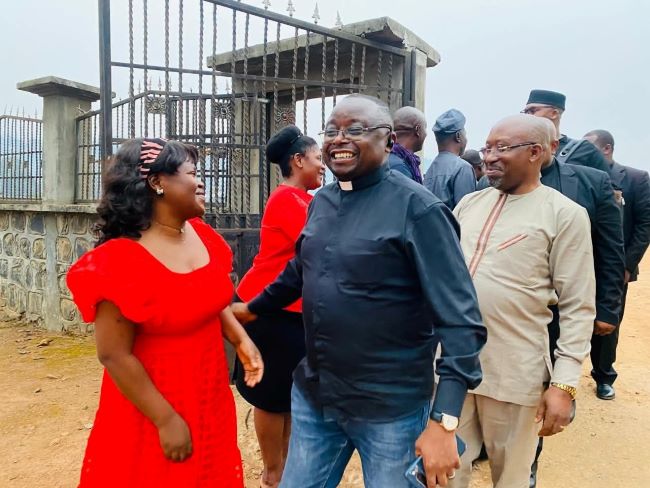
English-speaking locals have long complained of abuses at the hands of security forces. Ruling-party MP Etombi Gladys told the media that “the campaign will cut through all of the divisions of our region”.
But with separatists vowing to disrupt polls in English areas, and many thousands of the region’s voters displaced due to the violence it’s unclear whether Sunday’s polls will proceed meaningfully in the anglophone areas.
“The security comes from God,” said Etombi who added she was confident Biya could win, even in the English-speaking region.
Source: Agence France-Presse