27, January 2023
Setback in Southern Cameroons shows challenges of Canada’s new Africa strategy 0
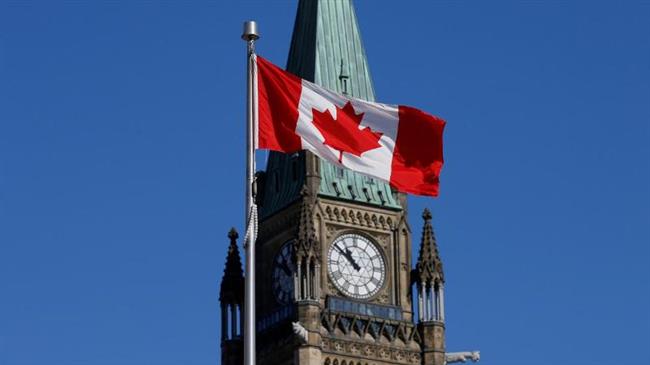
An embarrassing setback in a Canadian peace initiative in Cameroon has demonstrated the challenges that could hamper Ottawa’s planned new Africa strategy this year, but federal officials are optimistic the peace talks will still proceed.
The federal government is planning to release its Africa strategy in the early months of this year, aiming to boost Canada’s engagement with African countries. The unexpected reversal in Cameroon, however, is an example of the complexities that can trip up Canadian efforts on the continent.
On Friday, Foreign Affairs Minister Mélanie Joly announced that Canada had accepted a “mandate” to facilitate peace talks in an armed conflict that has killed more than 6,000 people in Cameroon in the past six years. She said the Canadian role reflected its “engagement to work with our African partners” – a reference to the government’s broader goals on the continent.
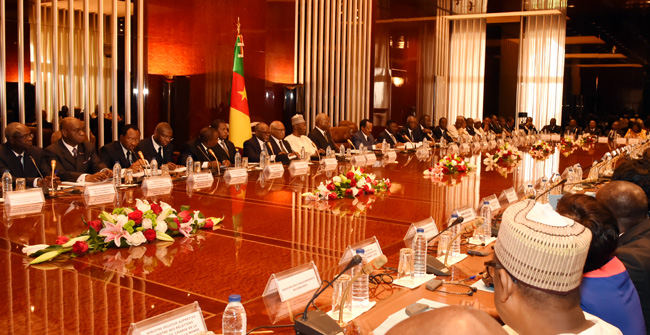
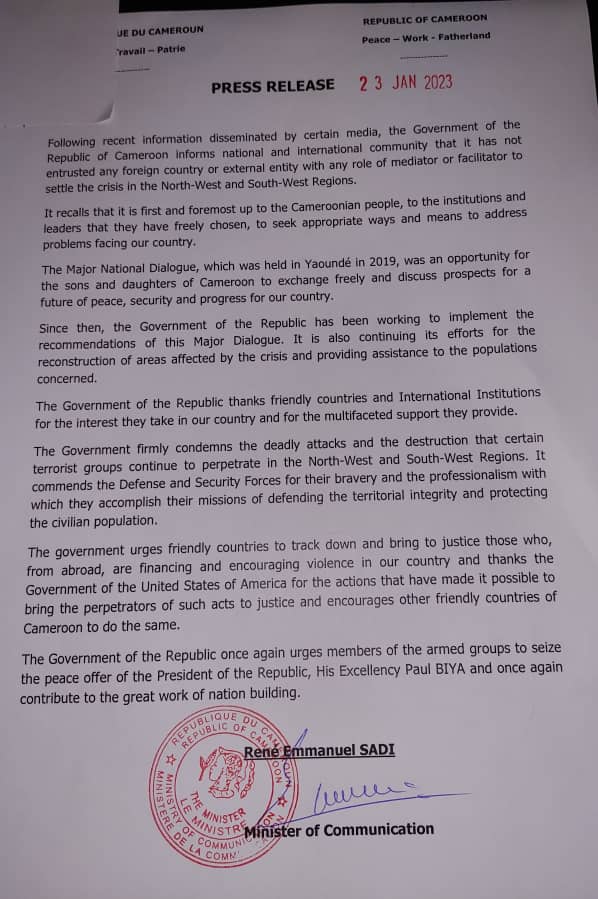
Ms. Joly’s announcement specifically listed Cameroon’s government as a participant in the Canadian-mediated peace process. Just three days later, however, the Cameroonian government issued a strong denial, insisting it had not accepted any foreign country to become the mediator or facilitator of peace negotiations.
Ms. Joly, speaking at a federal cabinet retreat in Hamilton on Tuesday, was asked about Cameroon’s denial. “Our goal is to be patient and take a deep breath,” she told journalists. “Peace talks are complicated and messy, but we stand ready to help.”
Ms. Joly said it was the Cameroonian government that had originally approached Canada for help in the peace process.
The government’s rejection of a Canadian mediation role dominated the front-page headlines in Cameroon’s newspapers on Tuesday. Local media commentators said there were pro-war hawks in the government who wanted the conflict to continue and were deliberately sabotaging the Canadian peace initiative. They noted that the government had walked out of a similar Swiss-led peace process last September after three years of talks.
“Analysts say there are some government bigwigs behind the scenes who have been throwing spanners in the works to frustrate the initiatives for peace talks,” a leading Cameroonian newspaper, The Guardian Post, reported on Tuesday.
It cited a “jealous rivalry and egocentric spirit” in some government factions as the reason for the official denial of the Canadian announcement.
Despite the government’s statement, the other participants in the peace talks – regional leaders in English-speaking regions who are seeking to secede from Cameroon – continue to support the peace process.
Ms. Joly’s press secretary, Adrien Blanchard, said the Foreign Affairs Minister’s announcement last Friday still stands. “We remain in contact with the parties,” he said on Tuesday.
Asked about Canada’s planned new Africa strategy, he said the work on the strategy is continuing. “Our objective is to broaden our coalition of states to tackle the most pressing issues,” he said.
Conservative foreign affairs critic Michael Chong said Ms. Joly should have exercised more caution before making an announcement about Canada’s role in Cameroon.
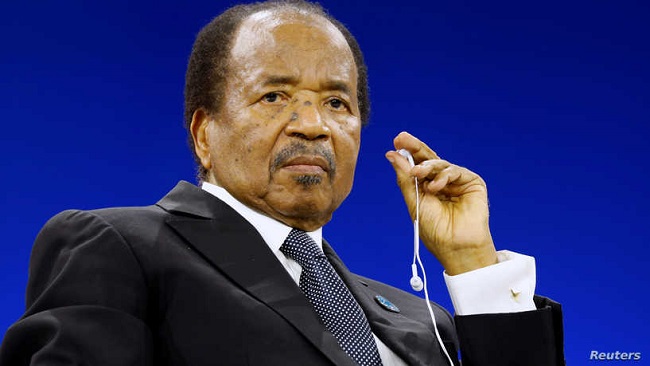
He pointed to the collapse of the Swiss-mediated talks last year and the problems the international community has had encouraging Cameroon’s President to engage in a dialogue with the anglophone minority in Cameroon.
“To this point the Cameroon government has not shown through its action any real desire to sit down with the opposition to talk about how to settle this conflict,” Mr. Chong told The Globe and Mail.
He said this episode is another example of the Trudeau government “focusing too much on communication without doing sufficient legwork on the ground to ensure this is what all parties had agreed to.”
NDP foreign affairs critic Heather McPherson said she doesn’t believe the Canadian government was lying when it said it would be a mediator in Cameroon peace talks.
“It’s not like Canada was making this up. It’s not unusual for there to be bumps in the road during a peace process,” she said. “It looked like the Cameroon government backed out under internal pressure. I’m not 100 per cent sure it was Canada’s fault.”
Ms. McPherson, who has worked for decades in international development, said she feels like Canada can play an important role in Cameroon’s future.
“We certainly hope that’s the case – that they are able to assist with the peace-building. We are a bilingual country like Cameroon. This is a long-standing conflict in a country that needs some support from countries like Canada.”
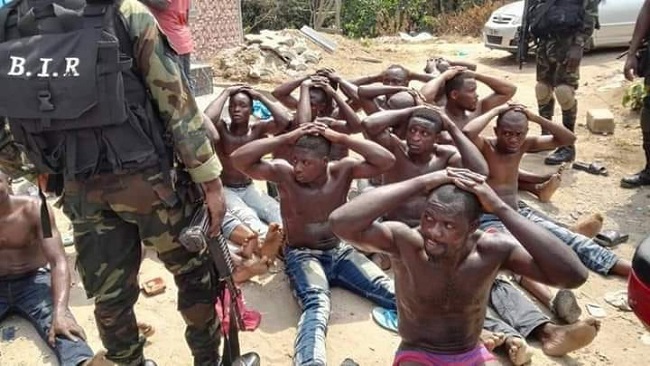
The worsening conflict between Cameroon’s security forces and separatist groups in the primarily English-speaking regions of Northwest and Southwest Cameroon has forced more than a million to flee their homes since the conflict erupted in 2016.
The English-speaking regions have felt excluded by the French-speaking majority for decades. Their grievances date back to the early 1960s when British-controlled and French-speaking regions were merged to form a single country.
Culled from The globeandmail.com














28, January 2023
Biya regime told to accept Canada’s peace mediation offer 0
The Global Campaign for Peace and Justice in Cameroon has called on the African country’s government to accept the offer of mediation made last week by Canadian authorities with a view to a possible agreement with Anglophone separatists that would end a conflict that has left more than 6,000 people dead since 2017.
The current situation of the process is confusing, because the Canadian government presented itself as a mediator last Friday but days later the Cameroonian authorities rejected any involvement of Ottawa in negotiations with the separatists.
In this scenario, the NGO calls on the Government of Cameroon “to renew its commitment to the Canadian process” since “the killings, lawlessness, destruction and impunity prevailing in the conflict zones have only generated more violence and insecurity”.
“In this regard, the solidarity of the government of Cameroon with the Canadian process is vital,” the group added in a statement posted on its website.
Canadian Foreign Minister Mélanie Joly did not exactly comment on the Cameroonian government’s refusal but assured that the warring parties have already held three meetings in Ontario and Quebec. “The Cameroonian government approached us and we also invited a UN representative present during the mediation,” the minister assured on Tuesday.
Cameroon’s Anglophone regions–Northwest and Southwest–have been rocked by conflict following the crackdown on separatist movements after Ambazonia’s self-proclamation of independence on October 1, 2017.
The previous year, this area–once part of British colonies in Africa but which decided to join French Cameroon–was the scene of peaceful protests to demand greater autonomy or independence arguing discrimination by central authorities, also on language issues.
Since then, armed groups have proliferated and support for the separatists, hitherto rather marginal, has increased. The government has responded with a harsh crackdown, during which human rights organizations have accused the security forces of committing atrocities.
Source: EUROPA PRESS