Featured
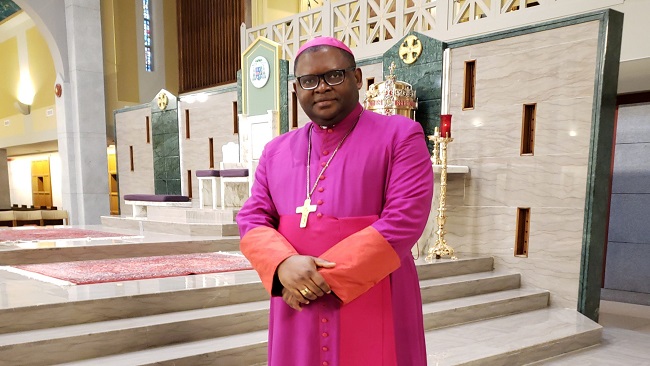 Archbishop Nkea, Bishop Bibi and Samuel Eto’o: Social media popularity should not come at the expense of truth
 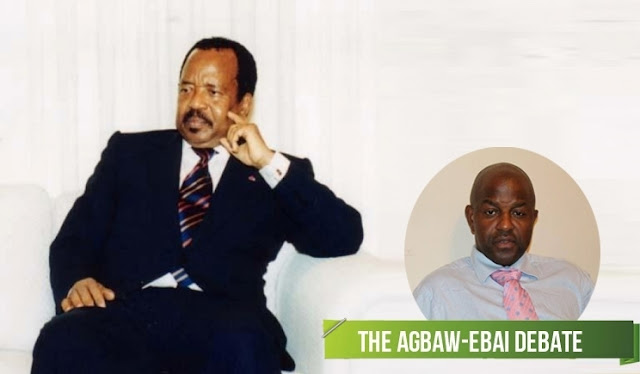 Cameroon Concord News to put up an obituary announcement on Biya soonest
 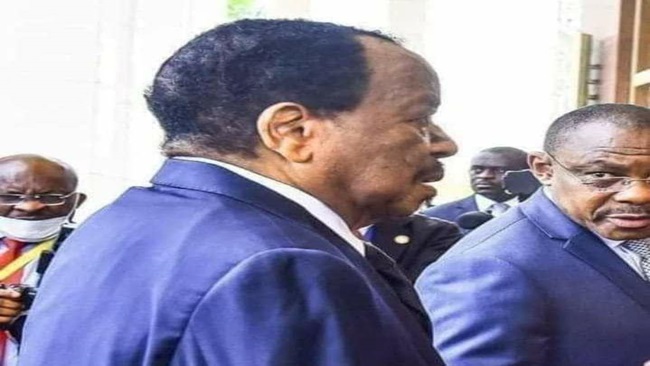 Biya’s Health: CPDM political bureau must act before uncertainty becomes crisis
  Tchiroma, Akere, Kamto: an opposition that still cannot seize the moment
 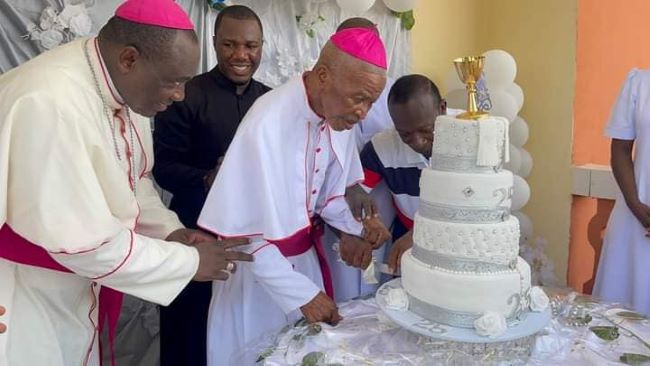 Bishop Emeritus Lysinge: May he enter with joy, into the house of the Father
Most Commented Posts
 4 Anglophone detainees killed in Yaounde
18 comments Chantal Biya says she will return to Cameroon if General Ivo Yenwo, Martin Belinga Eboutou and Ferdinand Ngoh Ngoh are sacked
13 comments The Anglophone Problem – When Facts don’t Lie
12 comments Anglophone Nationalism: Barrister Eyambe says “hidden plans are at work”
12 comments Largest wave of arrest by BIR in Bamenda
10 comments
Featured
-
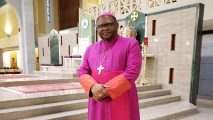
Archbishop Nkea, Bishop Bibi and Samuel Eto’o: Social media popularity should not come at the expense of truth
-

Russian strikes target Ukraine’s Kharkiv and Sumy regions, killing at least six
-
Trump grows increasingly frustrated over Iran retaliation, confronts Hegseth
-
FIFA: Embattled Infantino holds emergency talks amid calls to step down
-
U.S.-Cameroon economic dialogue set for August 27
-
Etoudi reshuffles military as Biya’s absence stokes unease
-

AI offers lifeline to developing economies in an era of weak growth
6, August 2026
Archbishop Nkea, Bishop Bibi and Samuel Eto’o: Social media popularity should not come at the expense of truth 0
by soter • Editorial, Headline News
There is a growing tendency in today’s digital age for some individuals to seek relevance and popularity by launching sensational attacks against prominent public figures. The latest targets appear to be Bishop Michael Bibi of the Buea Diocese, Archbishop Andrew Nkea of the Bamenda Archdiocese and Cameroon football legend Samuel Eto’o.
Each of these personalities has recently found himself at the centre of fierce online criticism. Bishop Bibi has been attacked for urging women during a homily, to respect the vocation of priests. Archbishop Andrew Nkea has faced backlash for advocating peace in Anglophone Cameroon while also reiterating the Catholic Church’s teaching on homosexuality. Samuel Eto’o meanwhile has attracted relentless criticism over his efforts to restore the credibility and competitiveness of Cameroon’s local football championship.
What links these three cases is not merely the criticism itself but the apparent motivation behind much of it. Increasingly, social media has become a platform where controversy generates attention and attention translates into followers, likes, shares and fleeting notoriety. In such an environment, attacking well-known personalities has become an easy route to online visibility.
Constructive criticism has an important place in any democratic society. However, there is a clear distinction between thoughtful engagement and calculated attacks designed primarily to attract clicks and applause from social media audiences. When public discourse is driven more by the pursuit of digital popularity than by a genuine search for truth or solutions, everyone loses.
Bishop Bibi, Archbishop Nkea and Samuel Eto’o occupy different spheres of public life—religion, national reconciliation and sport—but they have all become convenient targets for those who appear more interested in cultivating online influence than contributing meaningfully to public debate. Their experiences should serve as a reminder that not every viral controversy is rooted in substance. Sometimes, it is simply the latest performance in the race for social media relevance.
Cameroon deserves better than a culture where personal attacks become the quickest path to internet fame. Public figures should be judged on the merits of their actions and ideas, not on the ability of others to manufacture outrage for online consumption.
By Soter Tarh Agbaw-Ebai