9, May 2020
Biya is no longer in control of his CPDM government 0
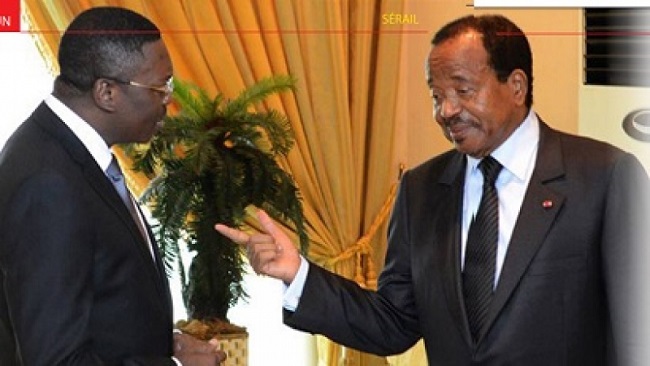
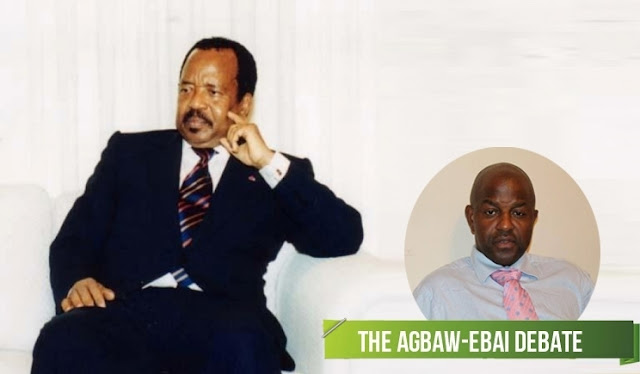
A prominent baron of the political bureau of the ruling CPDM crime syndicate has told Cameroon Intelligence Report that President Biya 88 is no longer in charge of his government.
Speaking to our chief political correspondent Rita Akana in Yaoundé, the French Cameroun political elite who sued for anonymity claimed President Biya knows only 4 of his sea of ministers. Our source furthered that Biya only talks to Gregoire Owona, Laurent Esso, Atanga Nji and Ferdinand Ngoh Ngoh.
“President Biya does not know the people he has been appointing as most of the several members of government came into cabinet through private connections with some close family relatives to Biya” he added.
According to another well-placed source in Yaoundé, Biya’s lack of control over his government is now a major concern among his Beti Ewondo supporters. A lot of people who had access to him in the yesteryears are now being prevented from informing him on the poor state of the country by a selected few.
Biya recently betrayed his ignorance when he questioned the actions of the Minister for National Education. We gathered that he wondered aloud why Dr Dorothy Njeuma was not coming out strong on the fight against COVID-19 in schools and colleges but was reminded that it was Prof Nalova who was now at the head not Njeuma.
By Fon Lawrence in Yaoundé

















15, May 2020
Readout of Swiss President’s phone call with Paul Biya 0
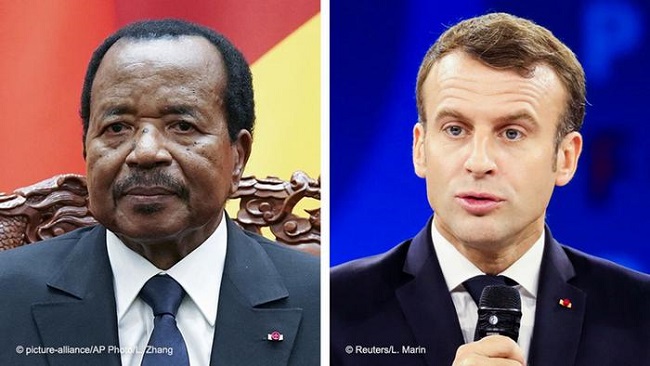
The President of the Swiss Confederation, Mrs Simonetta Sommaruga has said on her Twitter account that she had a telephone conversation with the French Cameroun dictator Paul Biya on the 14th of May 2020 on the crisis in Southern Cameroons and the coronavirus pandemic.
She reiterated to the 88 year-old leader, her country’s willingness to accompany Cameroon in the search for a peaceful solution to the crisis in Southern Cameroons.
“Happy to have had an exchange of views today with President @PR_Paul_BIYA on health and humanitarian cooperation in Cameroon and on Switzerland’s commitment to finding solutions in the North-West and South-West,” the Swiss official tweeted.
Correspondingly, the Swiss government reportedly tried in the past to initiate negotiations between the Cameroonian government and the English-speaking separatists. But the initiative has met with a stone wall from both sides, who are sticking to their positions.
According to NGOs, the war in Southern Cameroons has caused at least 3,000 deaths and more than 700,000 displaced persons and refugees.
By Chi Prudence Asong