
26, September 2019
Southern Cameroonians express skepticism ahead of peace talks 0
In English-speaking Cameroon, there is little optimism that the forthcoming National Dialogue will resolve the decades-long Anglophone crisis.
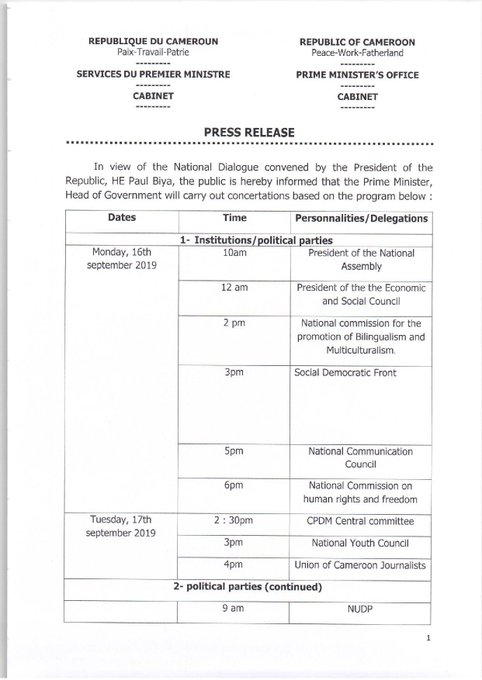
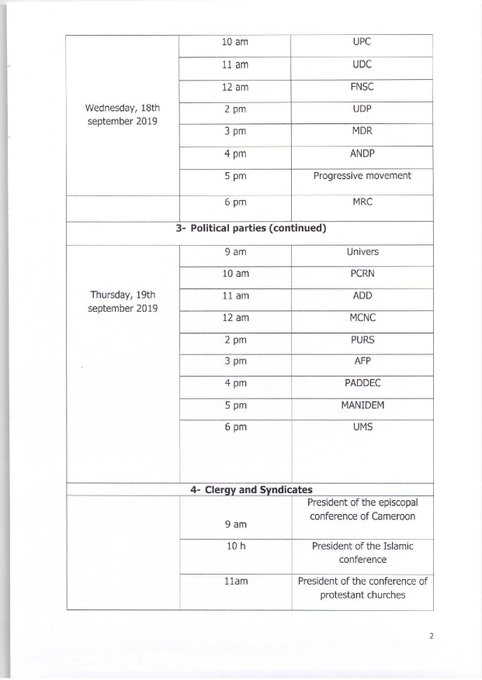
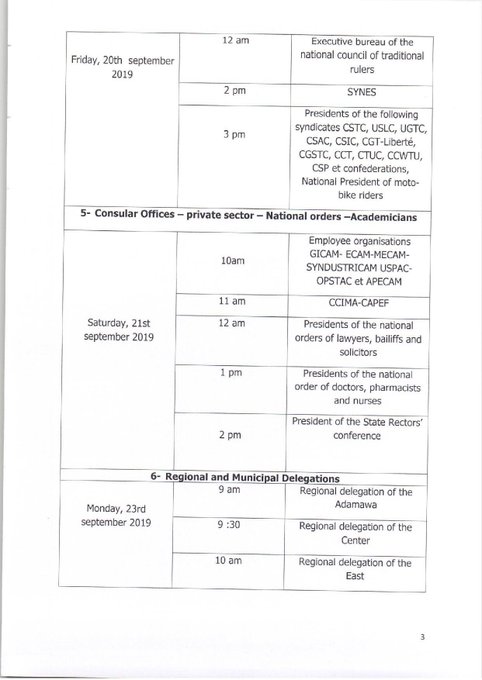
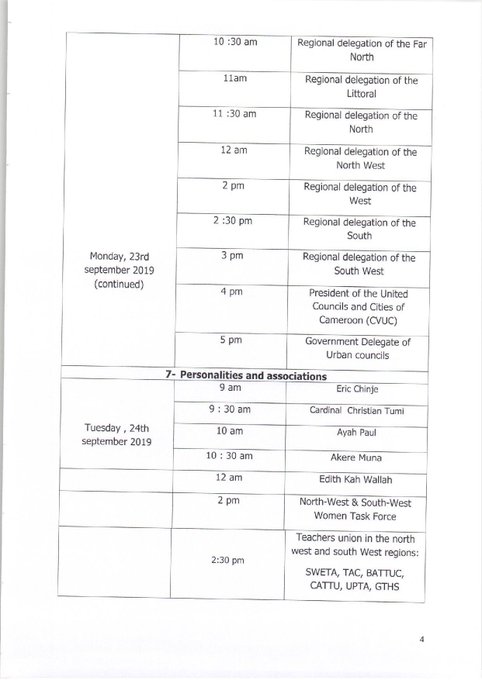
On September 30, the government will start hosting a national “dialogue” on the future of the anglophone territories, where separatist violence and a government crackdown have cost thousands of lives and forced hundreds of thousands to flee.
The following day, October 1, marks the second anniversary of this spiral towards conflict — the declaration of the self-described “Republic of Ambazonia” for Cameroon’s English-speaking minority.
One of the prerequisites should have been a cessation of hostilities.
Choosings sides
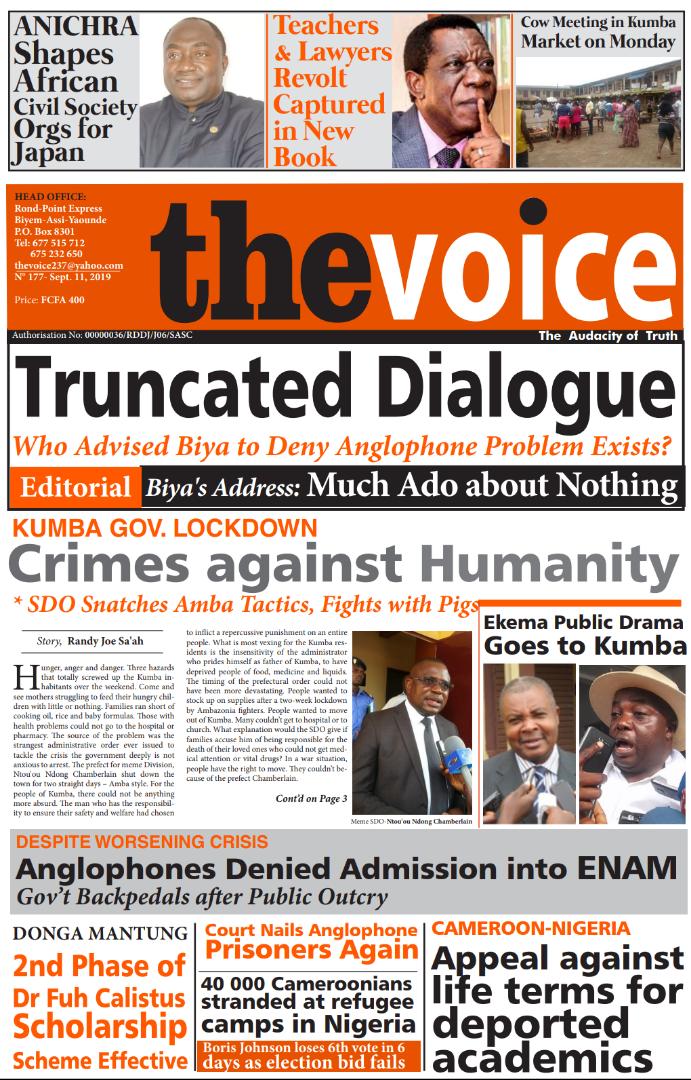
Traders in Buea, the capital of Cameroon’s Southwest Region, say they are under relentless pressure to choose sides.
The militants have staged “dead city” protests every Monday, aimed at bringing the English-speaking regions to a standstill.
If traders close their store, they risk being punished by the authorities. But if they keep it open, they face the wrath of separatists for ignoring strike calls.
“If you’re stubborn,” said snack-bar owner Jeremie, the separatists “come back and burn down your property or they’ll follow you and pay you a visit.”
“We’re scared,” said a man who asked not to be named. He kept his shop open on Monday but said he feared the arrival of the “Amba-boys” at any minute.
A member of a local NGO said the army had recently managed to secure a volatile part of Buea because it found informants among residents fed up with racketeering by separatists.
“The Amba-boys who operate in town from time to time come from rather remote parts,” he said, asking not to be identified.
Will National Dialogue succeed?
All the people approached by AFP in Buea expressed weariness at the situation.
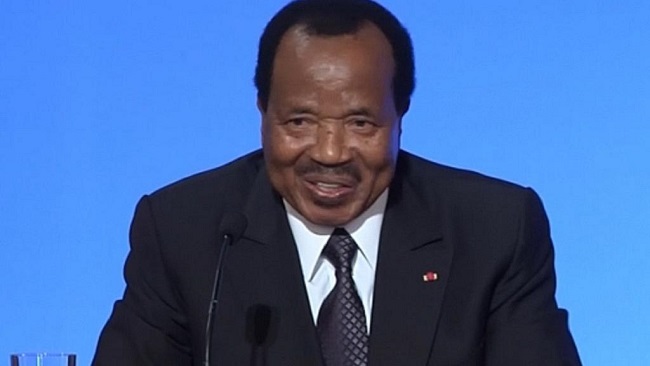
None voiced much hope for the “Great National Dialogue” announced on September 10 on President Paul Biya, who has ruled Cameroon for 37 years.
The five-day forum will take place in Yaounde under the leadership of Prime Minister Joseph Dion Ngute, who comes from the troubled territory.
Several separatist forces and some opposition parties have announced a boycott. Many of their leaders and activists have been imprisoned, but Biya said that “recent court decisions” were no obstacle to talks.
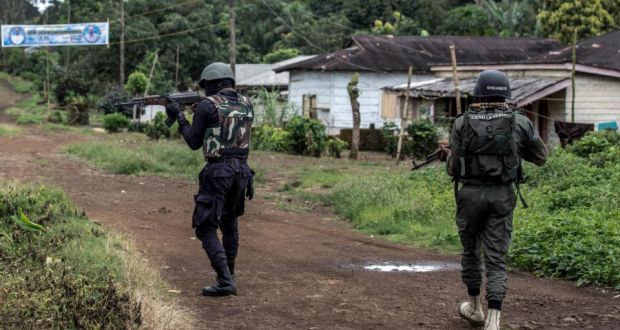
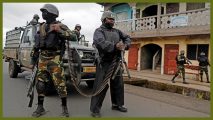
“One of the prerequisites should have been a cessation of hostilities,” teacher Virginie said as armed troops passed by.
In her eyes, the dialogue “has already failed before it even started.”
“We’re so tired of this situation,” said Kingsley Ebong, employed by a state-run firm. “We hope that the dialogue works. Above all, people need to go there with goodwill.”
“The dialogue is a waste of time,” said a lawyer who wanted to remain anonymous. “The anglophone problem has persisted for many years. The government can’t pretend to be unaware (of it).”
Quest for independence
Many English-speakers favour partition, considering themselves estranged from the rest of a nation where they say the francophone majority has a lock grip on power and wealth.
Most leaders who want independence, like Sisuku Ayuk Tabe, sentenced to life in jail in August for “terrorism”, have rejected the offer of dialogue. In public, Ayuk Tabe called for secession based on talks.
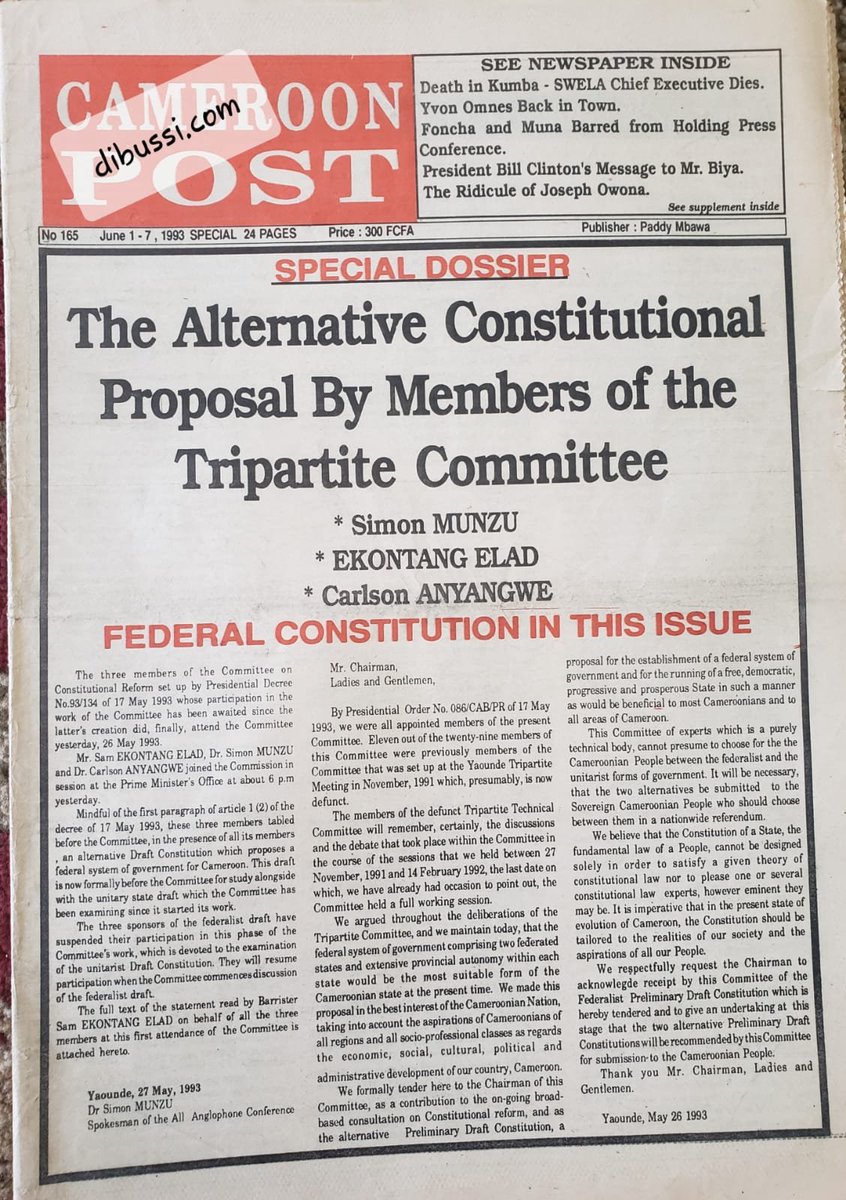
Some moderate anglophone leaders would like to introduce a presidency rotating between the two language groups, coupled with a federation of eight states, according to the press.
But Biya, after he was re-elected in 2018, ruled out any move towards federalism or the notion that he would be ready to relinquish the presidency.
The Anglophone crisis
English-speakers account for about a fifth of Cameroon’s population of 24 million, who are majority French-speaking.
Anglophones are mainly concentrated in two western areas, the Northwest Region and the Southwest Region, that were incorporated into the French-speaking state after the colonial era in Africa wound down six decades ago.
Years of mounting resentment at perceived discrimination exploded in 2017, unleashing a conflict that has claimed more than 2,000 lives, according to International Crisis Group (ICG) thinktank, while the UN says at least half a million have fled their homes.
AFP




















26, September 2019
Southern Cameroons on tenterhooks ahead of peace talks 0
The mood in English-speaking Cameroon is a mix of anxiety, resignation and fatigue as the clock ticks.
On September 30, the government will start hosting a national “dialogue” on the future of the anglophone territories, where separatist violence and a government crackdown have cost thousands of lives and forced hundreds of thousands to flee.
The following day, October 1, marks the second anniversary of this spiral towards conflict — the declaration of the self-described “Republic of Ambazonia” for Cameroon’s English-speaking minority.
Traders in Buea, the capital of Cameroon’s Southwest Region, say they are under relentless pressure to choose sides.
The militants have staged “dead city” protests every Monday, aimed at bringing the English-speaking regions to a standstill.
If traders close their store, they risk being punished by the authorities. But if they keep it open, they face the wrath of separatists for ignoring strike calls.
“If you’re stubborn,” said snack-bar owner Jeremie, the separatists “come back and burn down your property or they’ll follow you and pay you a visit.”
“We’re scared,” said a man who asked not to be named. He kept his shop open on Monday but said he feared the arrival of the “Amba-boys” at any minute.
A member of a local NGO said the army had recently managed to secure a volatile part of Buea because it found informants among residents fed up with racketeering by separatists.
“The Amba-boys who operate in town from time to time come from rather remote parts,” he said, asking not to be identified.
English-speakers account for about a fifth of Cameroon’s population of 24 million, who are majority French-speaking.
Anglophones are mainly concentrated in two western areas, the Northwest Region and the Southwest Region, that were incorporated into the French-speaking state after the colonial era in Africa wound down six decades ago.
Years of mounting resentment at perceived discrimination exploded in 2017, unleashing a conflict that has claimed more than 2,000 lives, according to International Crisis Group (ICG) thinktank, while the UN says at least half a million have fled their homes.
– Fatigue and scepticism –
All the people approached by AFP in Buea expressed weariness at the situation.
None voiced much hope for the “Great National Dialogue” announced on September 10 on President Paul Biya, who has ruled Cameroon for 37 years.
The five-day forum will take place in Yaounde under the aegis of Prime Minister Joseph Dion Ngute, who comes from the troubled territory.
Several separatist forces and some opposition parties have announced a boycott. Many of their leaders and activists have been imprisoned, but Biya said that “recent court decisions” were no obstacle to talks.
“One of the prerequisites should have been a cessation of hostilities,” teacher Virginie said as armed troops passed by.
In her eyes, the dialogue “has already failed before it even started.”
“We’re so tired of this situation,” said Kingsley Ebong, employed by a state-run firm. “We hope that the dialogue works. Above all, people need to go there with goodwill.”
– ‘Waste of time’ –
“The dialogue is a waste of time,” said a lawyer who wanted to remain anonymous. “The anglophone problem has persisted for many years. The government can’t pretend to be unaware (of it).”
Many English-speakers favour partition, considering themselves estranged from the rest of a nation where they say the francophone majority has a lock grip on power and wealth.
Most leaders who want independence, like Sisuku Ayuk Tabe, sentenced to life in jail in August for “terrorism”, have rejected the offer of dialogue. In public, Ayuk Tabe called for secession based on talks.
Some moderate anglophone leaders would like to introduce a presidency rotating between the two language groups, coupled with a federation of eight states, according to the press.
But Biya, after he was re-elected in 2018, ruled out any move towards federalism or the notion that he would be ready to relinquish the presidency.
Source: AFP