11, July 2025
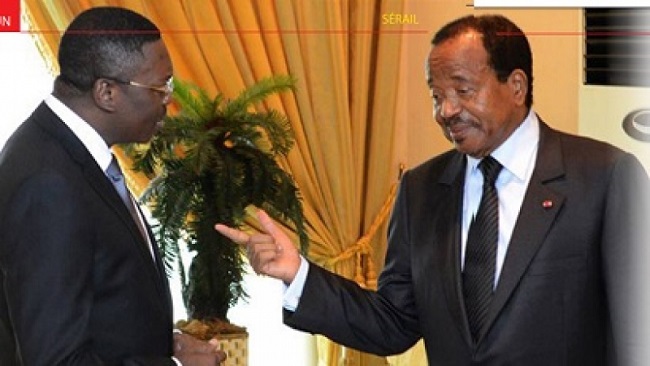
Biya-Ngoh Ngoh sets election date as October 12 0
Cameroon’s national elections will take place on October 12, the country’s president and president-in-waiting announced Friday. The vote is expected to be another closely watched affair in a nation with a history of violent and disputed elections.
The announcement through a presidential website also set 8 am for opening of polling stations and 6 pm for closure.
Opposition parties have already made allegations of violence and intimidation against their supporters in the buildup to the elections, and human rights groups have said the corrupt Minister-Secretary General at the presidency of the republic now running state affairs is silencing criticism.
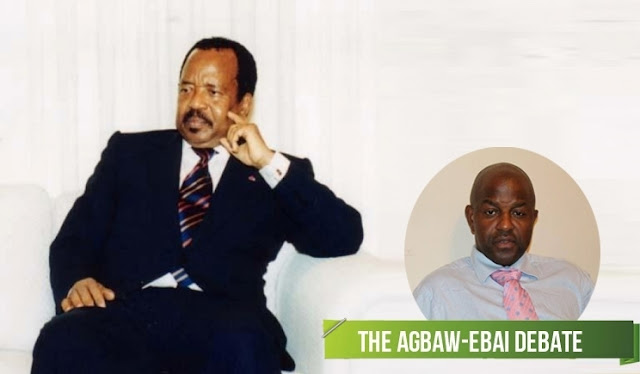
The Central Africa Sub region state has only had two leaders since it gained independence from both the French and the British. Biya has led Cameroon for 42 years ever since he took over from the late President Ahmadou Ahidjo and he also served as a prime minister under Ahidjo.
Paul Biya is not expected to run but his ruling CPDM party is already facing a strong challenge from cabinet ministers and opposition parties.
After the elections, the world will see Cameroon as a nation and not as a person.
Cameroon has faced severe economic problems for years and has been under a ruling tribal crime syndicate for more than three decades.
By Soter Tarh Agbaw-Ebai














12, July 2025
Ngoh Ngoh Palaver: Biya sets presidential election for October without saying if he will run 0
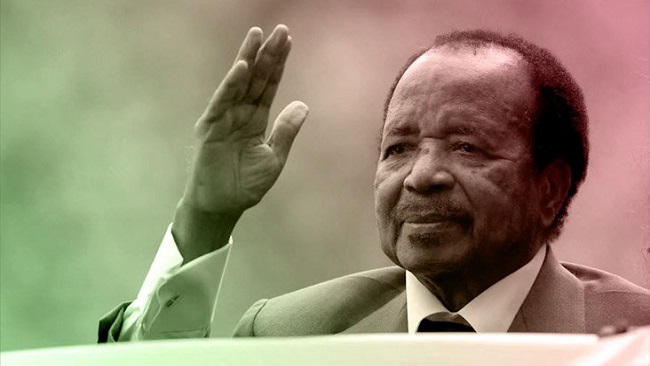
Cameroon on Friday set the next presidential election for Oct. 12, according to a statement from the country’s longtime president. The vote comes at a key time for the west African nation whose 92-year-old leader has not ruled out that he would seek another term.
Paul Biya, Africa’s second longest-serving president after Teodoro Obiang of Equatorial Guinea, is frequently sick and abroad, and last year, talk spread that he had died, prompting the government to publicly deny the rumors.
The over 40 years of Biya’s stay in power has left a lasting impact. His government has faced various challenges, including allegations of corruption and a secessionist movement in Cameroon’s English-speaking provinces that has forced thousands out of school and triggered deadly clashes with security forces.
Cameroon has also had to deal with spillover violence by the Islamic extremist Boko Haram group, based in neighboring Nigeria.
Recently, several of Biya’s longtime allies defected to announce their own candidacies for president.
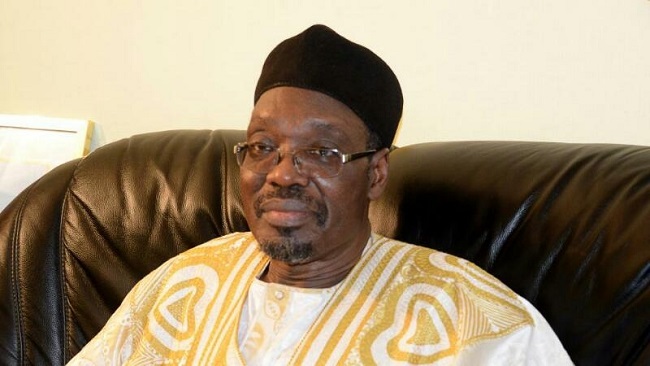
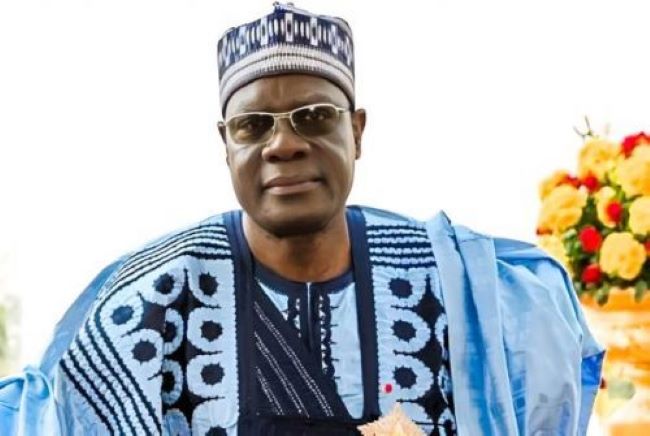
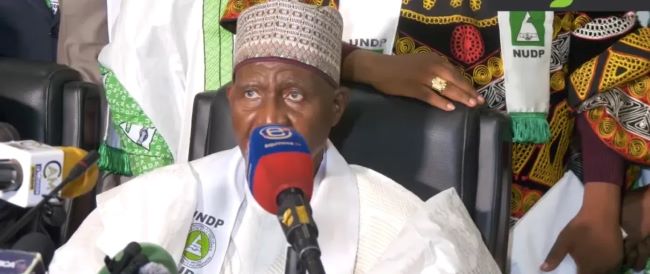
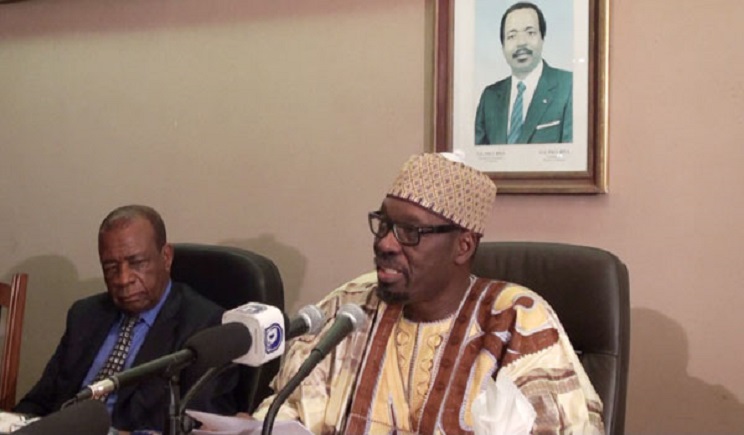
Bello Bouba Maigari, Cameroon’s tourism minister, quit last week after Issa Tchiroma Bakary resigned as minister of employment and vocational training, both pitching themselves as the right candidates to succeed Biya.
Biya, in power since 1982, is also Cameroon’s second president since independence from France in 1960. Though he has not announced whether he would seek another term, he has hinted at accepting the ruling party’s requests for him to run again.
He cruised to victory in 2018 with over 70% of the vote in an election marred by irregularities and low turnout due to ongoing separatist and jihadi violence.
In a region threatened with shrinking democratic space, several other African countries also have presidents accused of using state mechanisms to prolong their stay in power. Ugandan President Yoweri Museveni recently sought nomination for a seventh term, a move that would bring him closer to five decades in power in the East African country.
Source: AP