Featured



Most Commented Posts
 4 Anglophone detainees killed in Yaounde
18 comments Chantal Biya says she will return to Cameroon if General Ivo Yenwo, Martin Belinga Eboutou and Ferdinand Ngoh Ngoh are sacked
13 comments The Anglophone Problem – When Facts don’t Lie
12 comments Anglophone Nationalism: Barrister Eyambe says “hidden plans are at work”
12 comments Largest wave of arrest by BIR in Bamenda
10 comments
Featured
-

Yaoundé allocates CFAF400 million to SMEs
-

East Region: At least 33 dead in landslide at gold mine in Garoua-Boulaï
-

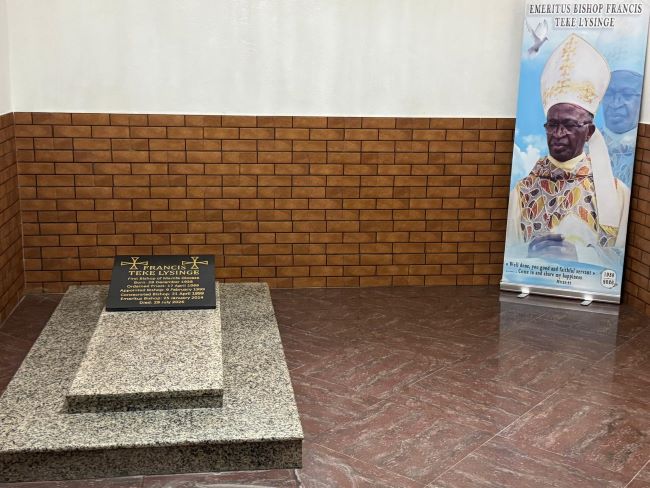
Benedictus Lysinge: Homily, Mass of the Bamenda Provincial Association of Diocesan Priests
-

Angelique Kidjo immortalised on Hollywood Walk of Fame
-

Samuel Eto’o, a champion’s answer to his critics
-
Zambia’s Hichilema wins re-election with 60% of vote
-

Cameroon celebrates as WAFCON winners return home
2, July 2026
Inoni Ephraim: how yesterday’s indispensable Biya ally quickly became today’s discarded liability 0
by soter • Cameroon, Editorial, Headline News, Politics
The public humiliation endured by some of President Paul Biya’s most loyal collaborators, including former Prime Minister Ephraim Inoni, serves as a powerful reminder of a political reality that has defined the Biya era for decades: unwavering loyalty to the regime offers no guarantee of protection.
For years, Inoni was among the most trusted faces of the ruling CPDM crime syndicate. He occupied one of the highest offices in the land, faithfully implementing government policy and defending the Biya system. Yet when political winds shifted, he found himself prosecuted, imprisoned and stripped of the prestige that had accompanied his years of service. Whether Cameroonians believe the legal proceedings against Inoni were fully justified or politically motivated, the broader lesson remains difficult to ignore. In the Biya system, yesterday’s indispensable ally can quickly become today’s discarded liability.
Inoni is far from an isolated case. Several prominent ministers, senior civil servants, military officers and ruling party stalwarts have similarly fallen from grace after years of devoted service. Many who once stood at the very center of power eventually discovered that political survival depended less on loyalty than on the ever-changing calculations of the presidency and the balance of power within the regime.
This recurring pattern raises important questions about governance and institutional trust. Stable political systems are built on predictable institutions, transparent accountability and equal treatment before the law. When prosecutions or political downfalls appear selective or unpredictable, they inevitably fuel public perceptions that justice may be influenced by political considerations rather than applied consistently.
The message sent to those serving within the current administration is sobering. Absolute loyalty does not necessarily translate into lasting security. Years of dedicated service may not shield an official from disgrace should circumstances change. In such an environment, trust becomes fragile, and fear often replaces confidence.
For the Cameroonian public, these episodes also reinforce a broader concern about the concentration of power. Institutions that depend heavily on the decisions of a single political center rather than on strong, independent processes risk creating uncertainty for both officials and ordinary citizens alike.
The story of Chief Ephraim Inoni and other once-powerful figures is therefore more than the personal tragedy of fallen elites. It illustrates the precarious nature of political patronage in an entrenched system where proximity to power can be temporary and where loyalty, however steadfast may not be reciprocated.
Ultimately, the humiliation suffered by many of President Biya’s closest former associates stands as a cautionary tale. It suggests that in a system where political fortunes can change overnight, trust is not earned through years of faithful service but remains contingent on circumstances that few can control. That is a lesson not only for those within the corridors of power but for every observer seeking to understand the dynamics of Cameroon’s political landscape.
By Soter Tarh Agbaw-Ebai