Featured
 World Bank Group statement on the conflict in the Middle East
  Anglophone Vice President: a deeply counterproductive idea
  Ambazonia Crisis: latest on Sisiku Ayuk Tabe’s arrest, trial and conviction
 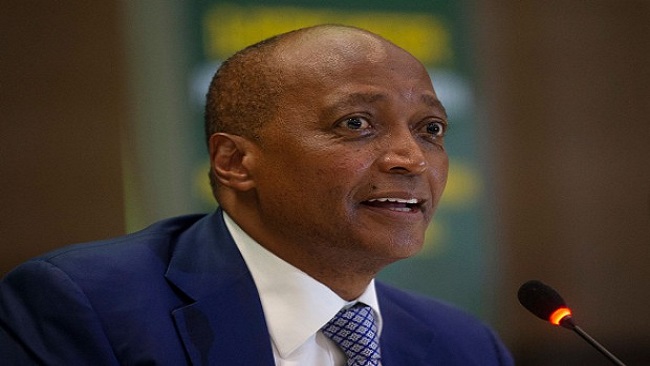 2025 Africa Cup of Nations: Patrice Motsepe should go and go now!
 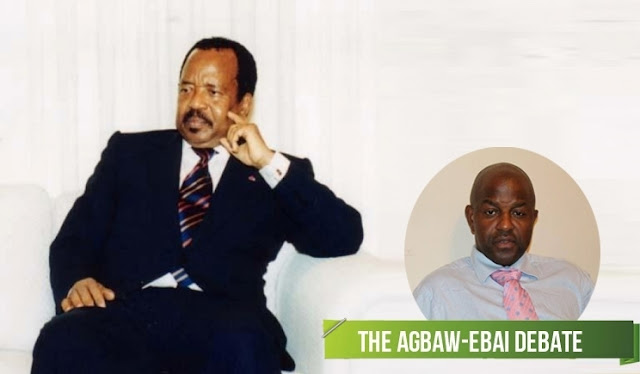 Changes in the Senate and National Assembly: who becomes next head of state?
Most Commented Posts
 4 Anglophone detainees killed in Yaounde
18 comments Chantal Biya says she will return to Cameroon if General Ivo Yenwo, Martin Belinga Eboutou and Ferdinand Ngoh Ngoh are sacked
13 comments The Anglophone Problem – When Facts don’t Lie
12 comments Anglophone Nationalism: Barrister Eyambe says “hidden plans are at work”
12 comments Largest wave of arrest by BIR in Bamenda
10 comments
Featured
-

13 Cameroonians selected for the 2026 cohort of Tony Elumelu Foundation Program
-

Iran says American military structure in West Asia has ‘collapsed’
-

Yaoundé: Trade ministers gather for make-or-break WTO reform talks
-

Cameroonian, Chinese FMs exchange congratulations on 55th anniversary of ties
-

World Bank Group statement on the conflict in the Middle East
-

Anglophone Vice President: a deeply counterproductive idea
-

Netanyahu’s spokesperson resigns after leaked audio reveals scathing criticism
16, May 2018
Kenya’s president approves controversial cyber-crimes law 0
Kenyan President Uhuru Kenyatta has approved a controversial law against the online publications of inappropriate content, a move which critics say would enable the leadership in the Horn of Africa country to further tighten their grip on journalists and opposition activists.
Kenyatta signed the sweeping cyber-crimes act on Wednesday, ignoring calls from rights campaigners not to endorse the law which also criminalizes the publication of “false, misleading or fictitious data”, a clause they say is specifically meant to curb free speech.
The law bans hacking, computer fraud, forgery of data, cyber espionage, publishing child pornography or sending pornographic content via any electronic means, punishing violators with a fine of $50,000 (42,000 euro) or jail terms up to two years, or both.
Critics say the law contains clauses that could make it more difficult for journalists and activists to criticize the government. Rights advocates and journalists have censured the bill, saying it could easily target journalists and others expressing their opinions online.
“Kenyan legislators have passed a wide-ranging bill that will criminalize free speech, with journalists and bloggers likely to be among the first victims if it is signed into law,” said the Committee for Protection of Journalists last week as it urged Kenyatta not to sign the bill.
Kenyatta’s approval of the bill comes following a bloody election season in Kenya in which he beat opposition leader Raila Odinga after two rounds of votes that were marred by widespread allegations of fraud. His government ordered three main television networks to close in January after they ran a live coverage of a mock inauguration ceremony by Odinga, who saw himself as the legitimate winner of the elections. The closures sparked criticisms from governments in Europe.
Eight prominent journalists also left their jobs in March over claims of increased meddling by government and a loss of media freedom in Kenya.
Source: Presstv