
19, October 2018
Southern Cameroons War: Fru Ndi’s home torched 0
Anglophone separatists have torched the home of Cameroon’s veteran opposition leader and kidnapped his sister, his lawyers said on Thursday.
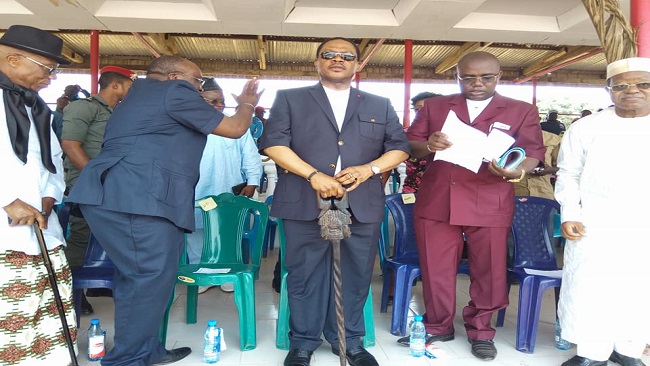
The two incidents, which took place Wednesday, targeted Ni John Fru Ndi who heads the Social Democratic Front and comes from Cameroon’s troubled anglophone west.
Separatists “burnt (Fru Ndi’s) house” in the North-West, said lawyer Francis Sama, referring to one of Cameroon’s two English-speaking regions which have been hit by almost daily unrest that has left at least 400 dead this year.
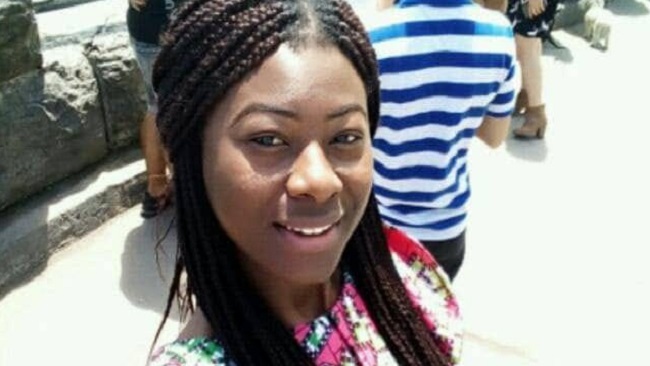
“They kidnapped his younger sister,” he said at a hearing before the Constitutional Court, without giving further detail on either incident.
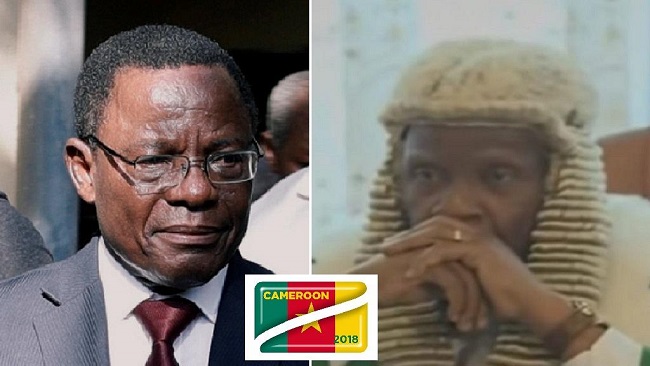
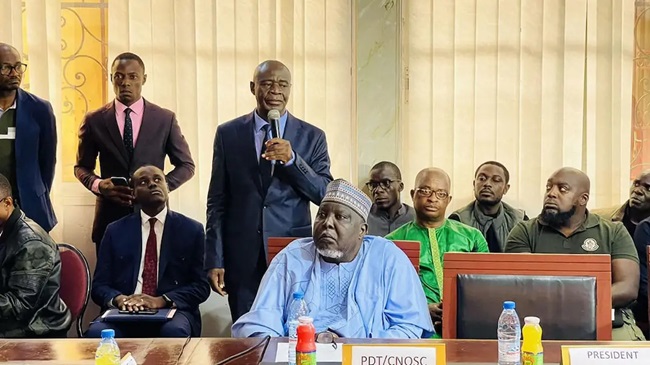
His remarks were made during a hearing at which three opposition candidates asked for the contested October 7 presidential election be annulled on grounds of massive fraud.
Fru Ndi has spent the past quarter of a century in opposition as head of SDF which he founded in 1990.
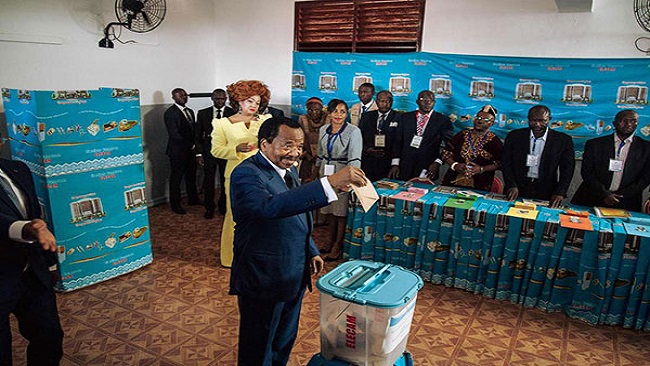
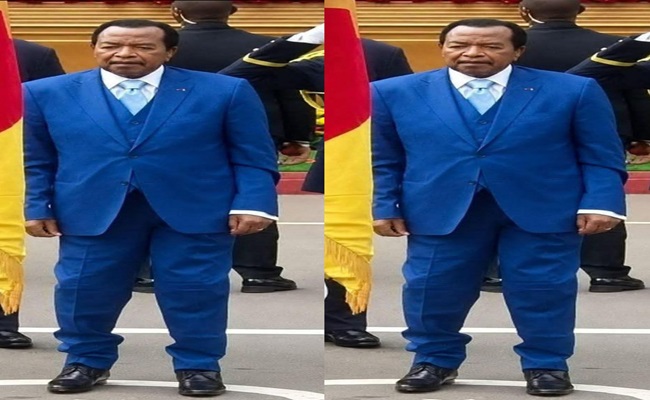
But although he ran for the presidency three times, Fru Ndi stood aside this time, letting his deputy Joshua Osih join the race against President Paul Biya who has ruled Cameroon for 36 years.
Although Fru Ndi has long opposed Biya’s rule, the separatists see him as a “traitor” because he is in favour of returning to a federalist solution in Cameroon, while they are fighting for the creation of an independent anglophone state, Sama said.
Yaounde is firmly opposed to any return to federalism.
– Cancel the vote –
Separatist activists had called for a boycott of the election, but SDF decided to run.
In a separate incident, the SDF said Fru Ndi’s driver had been shot at by the security forces after dropping the party leader home at the weekend. Without giving further details, they said he was “out of danger”.
The political crisis in the English-speaking west of this Francophone country erupted in 2016 and deteriorated into an armed separatist uprising last year which prompted a retaliatory crackdown by the security forces.
Following the election, SDF’s Osih asked the court to scrap the ballot because “there was no presidential election” in the English-speaking regions where voting was disrupted and turnout was below five percent, the ICG think tank said.
Two other opposition candidates also joined the petition — Maurice Kamto of the Movement for the Rebirth of Cameroon and Cabral Libii, a TV news analyst and at 38, the election’s youngest candidate.
Libii’s request was dismissed as inadmissible, but the court has yet to respond to the other two petitions.
Source: AFP















19, October 2018
Cameroon’s Presidential Poll: The Constitutional Council was just a formality 0
It is gradually emerging that the hearings at the Constitutional Council were simply part of a scheme designed by the ruling CPDM crime syndicate do deceive the population and the international community.
Even before the hearings wound up, an agenda for the proclamation of results had been designed and guests invited for the event had received their invitations about three days ago.
It should be recalled that all the submissions and pleas of the opposition had been rejected and from there, it was clear that the Constitutional Council was determined to declare Paul Biya the winner of the election, though he had not campaigned and so many irregularities had been pointed out by lawyers and eyewitnesses.
Meanwhile Cameroon Concord News Group has gotten intelligence that the government of Cameroon will soon be dealing with massive post-election demonstrations. The demonstrations are being planned for Monday, October 22 and will last for weeks and months.
“The election results have already been approved by the Constitutional Council and all the drama in the name of hearings is just designed to calm down tempers and deceive the international community” noted a source at the Presidency of the Republic.
The source added that Mr. Biya will be declared a winner on Sunday and there are already plans to deploy troops and police in major cities across the country. He stressed that a dusk to dawn curfew could be declared in many cities, including Yaounde where it is held that the opposition has a huge following.
As a prelude to what will happen, the government has been deploying troops at strategic locations in Yaounde and Douala, especially in neighborhoods that are mostly inhabited by Bamilekes and Anglophones. This action has been followed by random arrests to frighten any young men who have plans to take to the streets in the coming days.
The beleaguered government has also trained many spies who are serving as its eyes and ears among the population and these agents are spreading word that ordinary citizens should not express their views as they could be arrested.
By Sama Ernest and Kingsley Betek