24, May 2018
Cameroon bishops alarmed by ‘blind, inhuman, monstrous violence’ 0
‘Not a week goes by without houses being burned down, people kidnapped or killed. Fear has taken over this territory’
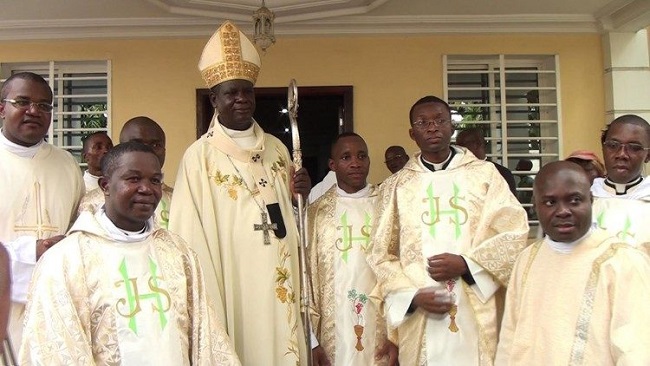
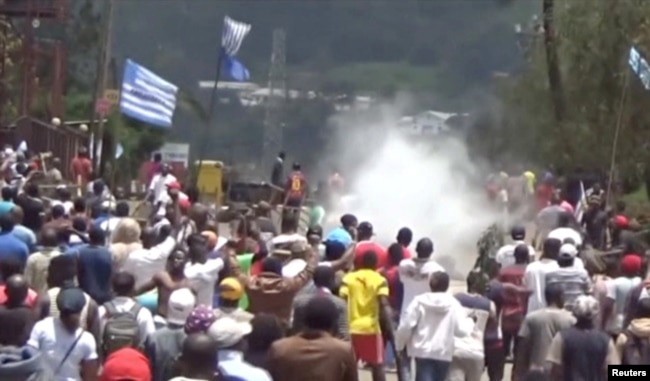
The situation in English-speaking regions of Cameroon is “marked by blind, inhuman, monstrous violence and by a radicalisation of positions that alarm us,” said the president of the Cameroon bishops’ conference.
“Let us stop all forms of violence and let us stop killing each other,” said Archbishop Samuel Kleda of Douala, the president, in a statement May 16. “Let us save our country from an unfounded and useless civil war.”
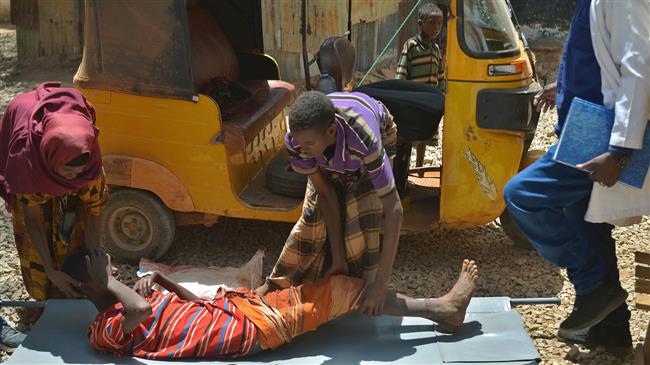
Caritas Internationalis, in an appeal launched May 15, reported that the conflict in Cameroon “has forced 160,000 people out of their homes into the bush and a further 26,000 to cross into Nigeria as they flee regions ‘stalked by fear and death.’ Whether a person speaks English or French has become a reason to kill.”
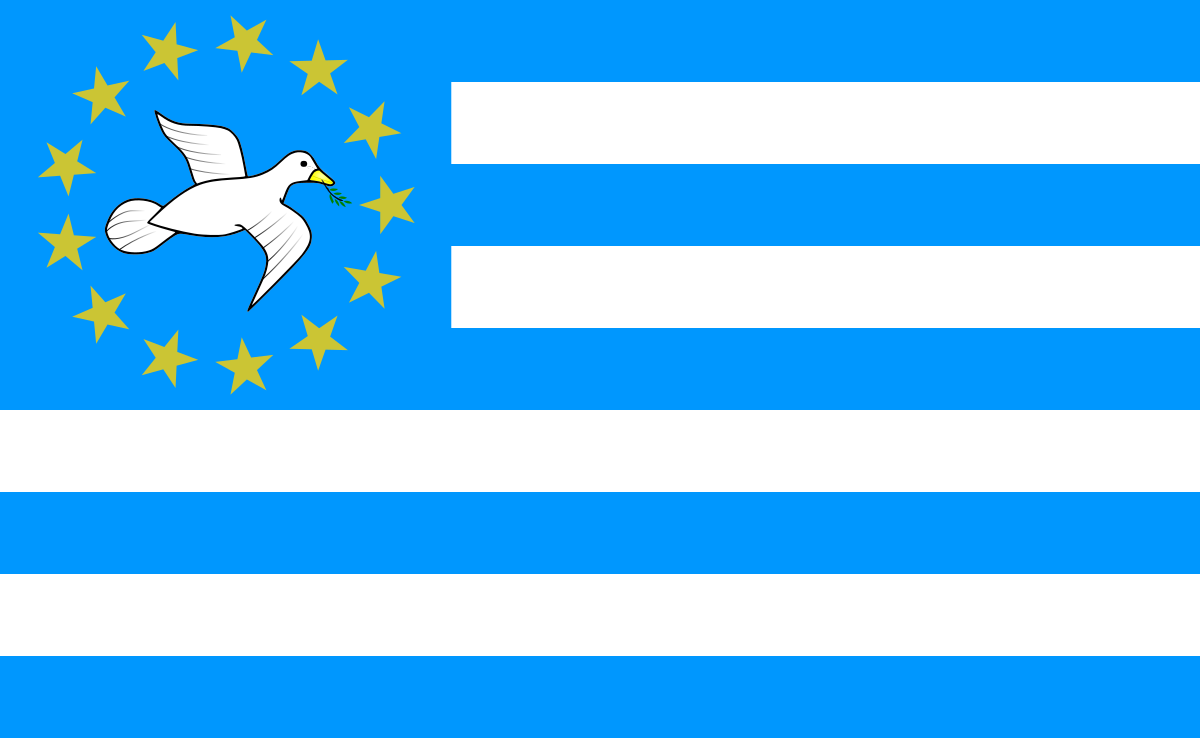
Tensions between Cameroon’s French-speaking majority and English-speaking minority have been growing since late 2016 when lawyers and then teachers in the English-speaking northwest and southwest regions of Cameroon went on strike to protest the appointment of French-speaking judges and the use of French in schools. In October, English-speaking separatists declared an independent state, “Ambazonia.”
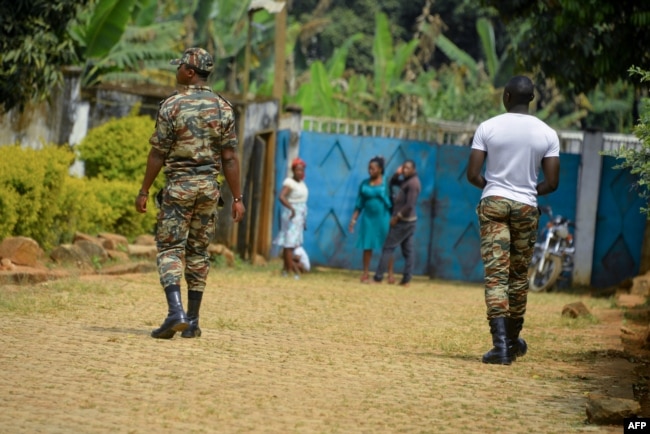
Archbishop Kleda’s statement said, “the brutal repression of the army against an independence movement in the English-speaking regions of the country” has fuelled an escalation of the humanitarian crisis.
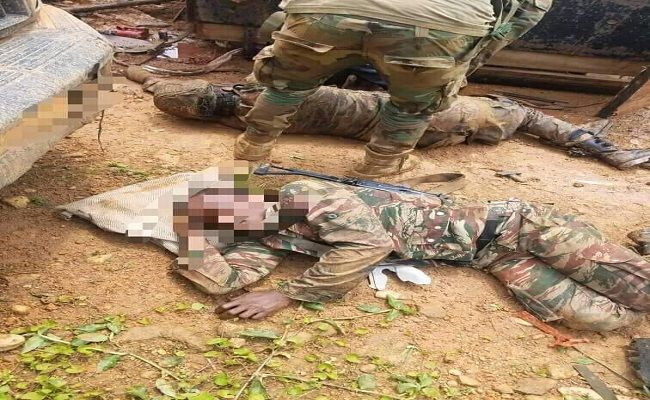
“Not a week goes by without houses being burned down, people kidnapped or killed. Fear has taken over this territory,” wrote Hippolyte Sando of Caritas Cameroon in a letter March 28 from Mamfe, a diocese in the southwest which Caritas described as being at the “epicenter” of the violence.
“The village of Kembong is a typical example of the suffering of the people. Here, young and old alike have been sleeping in the forest since Sept. 29,” Sando wrote. “Two priests and a hundred or so villagers spent months living in the compound of Bishop Andrew Nkea of Mamfe, and it was only recently that they cautiously agreed to go back to their villages on the condition that they would no longer be attacked.”
The diocesan, national and international Caritas organisations are mobilising to provide emergency aid both within Cameroon and across the border in Nigeria where many of the refugees have sought shelter and safety.
Source: The Tablet














25, May 2018
War of words continue between Yaounde and Washington 0
Two Cameroonian ministers have responded to remarks by the United States ambassador who late last week accused government of complicity in deadly violence in the restive Anglophone regions.
First was Information Minister Issa Tchiroma Bakary who in an interview with the RFIchannel insisted that the nation was rather the victim to secessionist violence. “I am really surprised at the statement of US Ambassador, We are victims, the nation as a whole a victim,” he said.
In a more formal response, the Minister of External Relations issued a statement calling on the diplomat to respect Cameroonians.
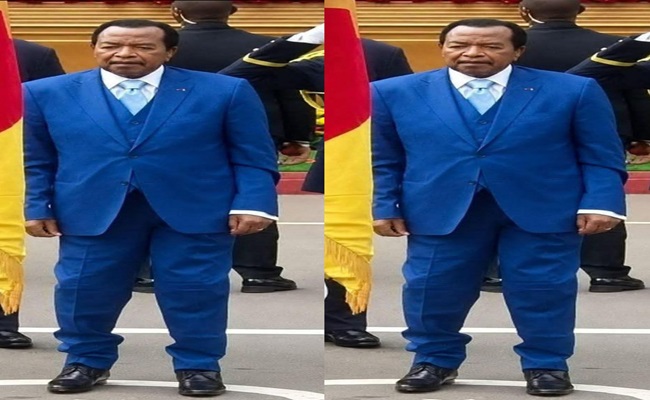
It added in part that the country was never going to allow a leader to be imposed on it by the west – in apparent reference to the call by the ambassador for president Biya to start thinking about his political legacy.
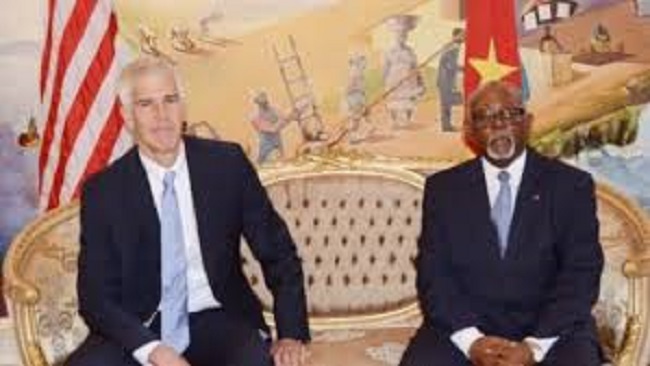
Ambassador Peter Henry Barlerin had met with President Paul Biya in Yaounde to discuss bilateral issues ahead of the May 20 national unity day.
In a read out issued by the U.S. embassy in Yaounde, the ambassador said government forces and separatists were culpable in violence in the two regions – northwest and southwest.
He added that government was employing targeted killings and also detaining people without recourse to the law.
Meanwhile, the position of the ambassador was buttressed by the bishop of Mamfe, a town located in the southwest region.
According to Bishop Andrew Nkea, dialogue was needed urgently to avert a useless and senseless civil war in which the government and separatists were committing grave crimes against the people.
The bishop stressed that whiles the army was burning down entire villages, the separatists were also burning down schools and other state institutions. The international Crisis Group has identified the church as the most potent political mediator.
Its April 26 report titled: Cameroon’s Anglophone Crisis: How the Catholic Church Can Promote Dialogue, averred that the clergy needed to united with a strong common position (between federalism vs. decentralisation) in order to be seen as credible mediators.
Source: Africa News