22, April 2018
Southern Cameroons Crisis: Mine blast kills two French Cameroon soldiers in Eyumojock 0
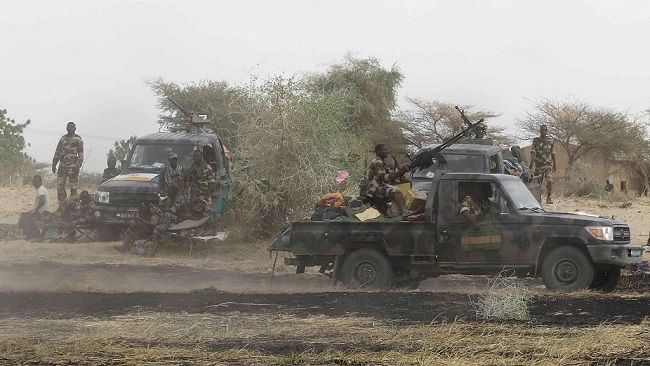
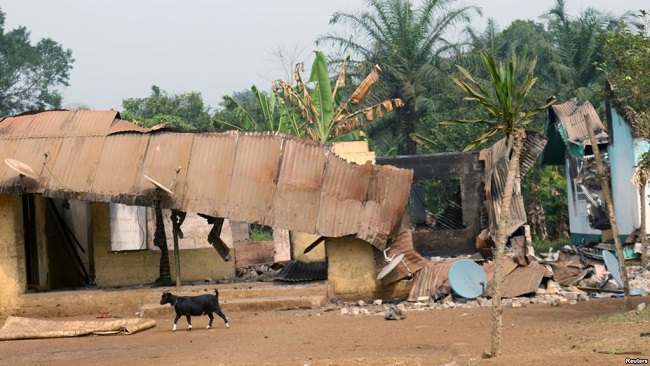
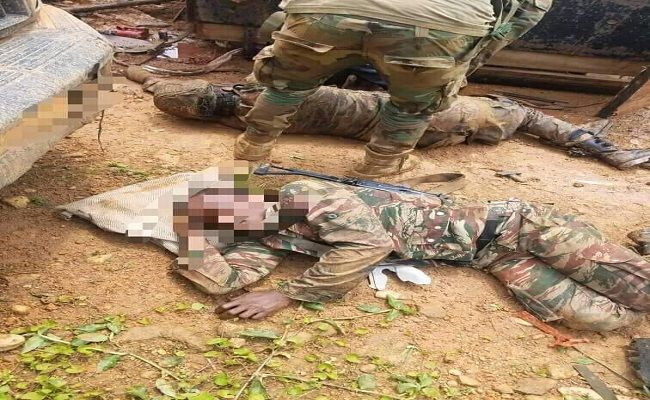
Two Cameroonian soldiers died and four were seriously injured on Friday after a mine exploded in an anglophone region hit by violence between separatists and the government. “A Cameroonian army vehicle went over a mine” in Eyumojock, a town in an English-speaking part of the southwest, a security source told AFP on condition of anonymity.
The source said the blast close to the Nigerian border caused “two deaths and four serious injuries”. Eyumojock lies between Mamfe, the main town of the Manyu, and Ekok “in an epicentre of violence in the southwestern Anglophone region,” the source added.
Since late 2017, anglophone separatists have killed 30 members of the security forces, according to an AFP count based on official statements and including the two deaths on Friday. Other observers in Yaounde believe the toll is higher. Northwest and southwest Cameroon are home to the English-speaking inhabitants of Cameroon, who make up 20% of the population.
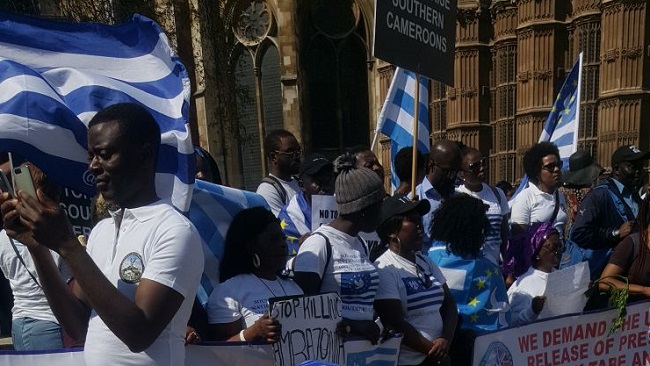
Separatist ambitions have long simmered in the two minority anglophone regions in the west of the country, where people complain of being marginalised by the French-speaking elite. The deep socio-political crisis has gradually turned into a low-intensity armed conflict in recent months.
The separatists, who are fighting for independence, have asked Yaounde and military personnel to leave their territory, calling them “occupation forces”. For three months, armed separatist groups have ramped up violence against the police, kidnapped civil servants and clashed with the army.
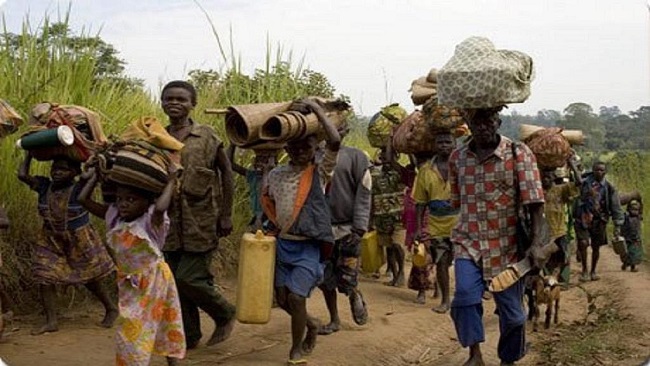
As the crisis grows, new separatist groups have appeared, posing on social networks with weapons and a flag of “Ambazonia”, the name of the state they want to create. Cameroonians swept up in the conflict are facing a humanitarian crisis, according to aid groups, as they struggle to reach people in remote areas that have become virtually off-limits.
Source: AFP
















22, April 2018
Biya Regime Cracks Down on Social Media Leaks 0
Sixteen government employees have been detained in Cameroon for allegedly leaking official documents on social media since the start of the year.
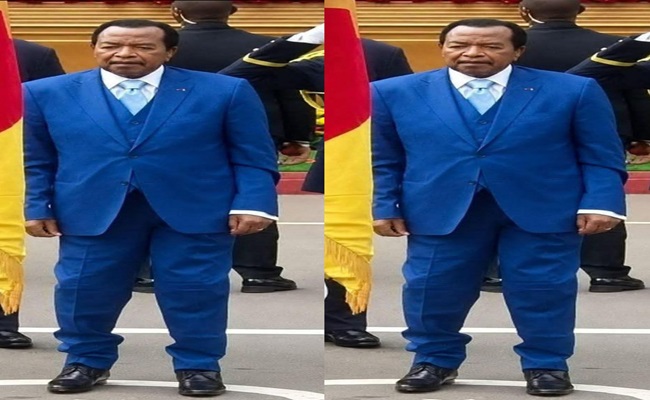
In an increasingly common phenomenon, the texts of President Paul Biya’s two most recent nationwide addresses were circulating before he even delivered them.
And in March, a confidential presidential memo began circulating on the country’s social media sites. The memo instructed security agencies to restrict travel for about two dozen senior state workers accused of stealing state funds.
Three police officers are now behind bars awaiting trial in connection with that leak.
In April, another confidential presidential order surfaced online. This one increased the allowances of soldiers deployed to the turbulent English-speaking regions. Two defense ministry staffers were called up for questioning.
Rights groups have long criticized Cameroon and other African governments, for being overly opaque.
Cameroon-born analyst Tem Fuh Mbuh, with the Dakar-based Open Society Initiative for West Africa, said the crackdown is part of a broader campaign against dissent.
“It is not only about those who are leaking official information, but there has been [a] systematic crackdown against all those who try to dissent in Cameroon,” he said. “So it’s a very alarming situation, and civic space in Cameroon has been closing very considerably in the last few years.”
Mbuh said this is particularly concerning ahead of the country’s elections in the later part of 2018.
Transparency vs. stability
Often, the response from African governments is that transparency must take a back seat to stability.
In March, Cameroon’s Prime Minister Philomen Yang said leaking sensitive official documents threatens both the Biya administration and national security. His office declined VOA’s request for an interview.
Lawyers for state employees detained over alleged leaks declined to comment to VOA as the cases are ongoing.
But at a documentation center in Yaounde, VOA found several government workers either printing or typing documents from their offices. They say they lacked the necessary computer equipment or had run short of ink.
Information technology specialist, Peter Suife, said state workers need education on dealing with sensitive information electronically.
“You have government offices that have computers, the operators of these computers don’t know how to probably store some documents in their files,” he said. “When they type, they take the key to a documentation center for printing. After printing, they are supposed to cancel what they have printed in that documentation, rather than allow it in the machine. Tomorrow, you see the documents already on streets before the state ever makes a statement.”
The law in Cameroon says government employees must protect classified and confidential materials. Failure to do so could lead to dismissal, as well as penalties ranging from a $10 (5000 CFA) fine to as much as one year’s imprisonment.
Source: VOA