
19, October 2017
Geneva: Frail Biya urges Cameroonians to remain patriotic 0
Cameroonian president Paul Biya is urging citizens to remain patriotic irrespective of what people may think about it. According to him, it was a mark of responsible citizenship.
A terse statement on his official social media handles posted on Wednesday October 18 read as follows: “Patriotism is a virtue that some people might wrongly consider outdated. Even today, it remains a mark of responsible and nobly asserted citizenship for the nation.”
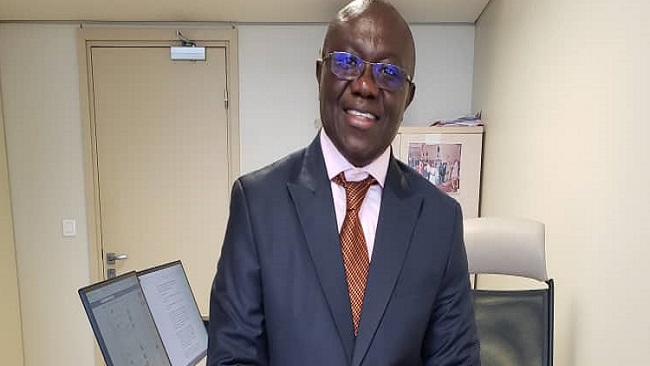
The message was accompanied by a smiling photo of the leader who is currently on vacation since he left the United Nations General Assembly in September.
The president’s quote comes at a time when tensions remain high in the country’s English-speaking regions. In what has become known as the ‘Anglophone crisis,’ people in the North West and South West regions of the central African country are pushing for independence.
The resultant protests which started months back has resulted in deaths, injuries to scores of people and mass arrests of protesters.
The height of the clashes was on October 1 when a symbolic declaration of independence under the Ambazonia republic was planned. The government had deployed heavy security presence to the regions to face off the separatists.
There has been widespread calls for the government to engage leaders of the restive region in dialogue. The president in his last address on the crisis condemned the violence. The government has, however, defended the security forces over the level of force used during protests.
Source: Africa News












19, October 2017
North Korea threatens to launch ‘unimaginable’ strike on US 0
North Korea has threatened to launch an “unimaginable” strike on the United States as massive joint US-South Korean naval drills are underway off the Korean Peninsula, involving colossal American aircraft carrier the USS Ronald Reagan.
“The US is running amok by introducing under our nose the targets we have set as primary ones. The US should expect it would face [an] unimaginable strike at an unimaginable time,” said a government statement carried by the North’s Korean Central News Agency (KCNA) on Thursday.
What Pyongyang referred to as the “primary” target is the 100,000-ton nuclear powered aircraft carrier, which is patrolling some 160 kilometers to the east of the peninsula and launched almost 90 F-18 Super Hornet sorties from its deck.
The military exercises, regarded by Pyongyang as highly provocative, began on Monday and will run through October 26. They involve 40 warships deployed in a line stretching from the Yellow Sea west of the peninsula into the Sea of Japan.
The North has already denounced Seoul and Washington’s war games, condemning the move as a “rehearsal for war.”
Washington’s military maneuvers with its close ally, the South, come ahead of US President Donald Trump’s visit to Japan and South Korea scheduled to start on November 5.
Trump has taken a tough stance against Pyongyang, threatening to “totally destroy” North Korea if necessary and calling North Korean leader Kim Jong-un names. Kim has responded with threats, vowing to take the “highest-level” measures against the US.
Meanwhile, the South Korean military threatened that it would be quick to totally destroy North Korea’s front-line artillery systems in the event of a war on the peninsula.
The US and the North have been at loggerheads over Pyongyang’s weapons and nuclear programs. However, tensions on the Korean Peninsula have recently risen sharply following a series of weapons tests by Pyongyang, including its sixth and most powerful nuclear test on September 3 and two missiles launched over Japan. Back in July, the North also claimed that it had fired two intercontinental ballistic missiles.
North Korea is under mounting international pressure over its missile and military nuclear programs and has been subjected to an array of sanctions by the United Nations. However, Pyongyang says it needs to continue and develop the programs as a deterrent against hostility by the US and its regional allies, including South Korea and Japan.
Source: Presstv