Featured
 A year after Biya’s disputed re-election, CPDM remains without a timetable for next year’s polls.
 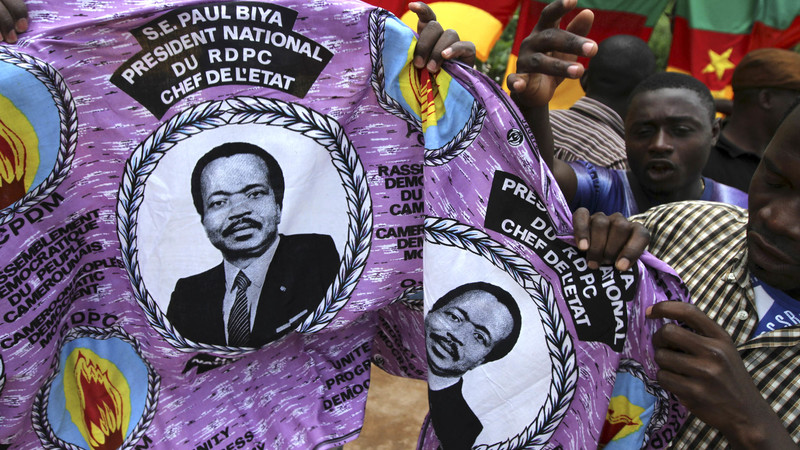 Ruling CPDM Party: When a political message runs out of the road
 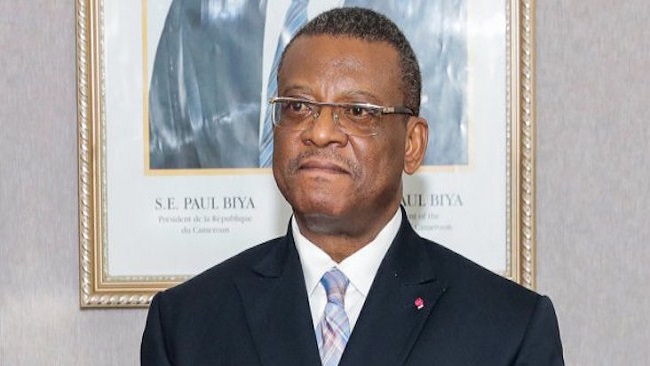 Dion Ngute in Buea: Peace cannot be a slogan; Prime Minister must go beyond dialogue
  A new phase for the Southern Cameroons struggle?
 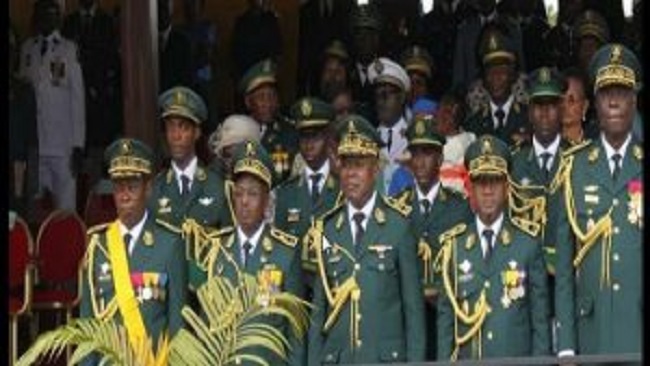 The Cameroonian army must put its conscience to the test
Most Commented Posts
 4 Anglophone detainees killed in Yaounde
18 comments Chantal Biya says she will return to Cameroon if General Ivo Yenwo, Martin Belinga Eboutou and Ferdinand Ngoh Ngoh are sacked
13 comments The Anglophone Problem – When Facts don’t Lie
12 comments Anglophone Nationalism: Barrister Eyambe says “hidden plans are at work”
12 comments Largest wave of arrest by BIR in Bamenda
10 comments
Featured
-

Cameroon’s MET chief Gervais Didier dies during official trip to Eswatini
-

US sanctions ICC hours after anti-genocide judge wins Nobel Peace Prize
-

Messi bids farewell to Argentina fans in emotional international finale
-

Cameroon must prepare for the post-Biya era
-

The nation mourns Jean Manga Onguene
-
Ambazonia crisis marks 10 years: Rights Groups release list of 4,000 deaths
-

CDC spends nearly all 2025 revenue on payroll, posts CFA20 billion loss
3, December 2018
Cameroon gov’t soldiers planting mines in Southern Cameroons 0
by soter • Cameroon, Headline News, News
Our chief intelligence officer in the Northern Zone of Southern Cameroons has hinted that there are numerous mines laid everywhere on the way to Bali and towards Wum. A Francophone soldier was reportedly killed as he attempted planting a mine in Mfuni in Manyu.
Recently, four Ambazonian women were killed after stepping on a mine planted on the highway towards Batibo. Ambazonian commanders say Cameroon government soldiers have planted several anti-personnel mines in several Southern Cameroons districts in the last three months.
Engaged in long battles with Ambazonian Restoration Forces, the French Cameroun army has turned to landmines to block entry to areas where they operate. A Cameroon government army spokesperson in Bamenda, the chief city of the Northern Zone who confirmed the planting of new mines by Cameroon government army soldiers, said “Mines are only intended to cause harm to the Ambazonian fighters.”
The Southern Cameroons Interim Government through the Ambazonia Defense Council said in a statement that mines only kill or injure civilians – children, women and non-combatants. The Francophone dominated government in Yaounde import landmines and other weapons from European countries particularly France.
The Ambazonian Interim Government has identified the need for a public awareness campaign to inform people, particularly children, about the risks of mines planted by Francophone soldiers.
By Soter Tarh Agbaw-Ebai