Featured
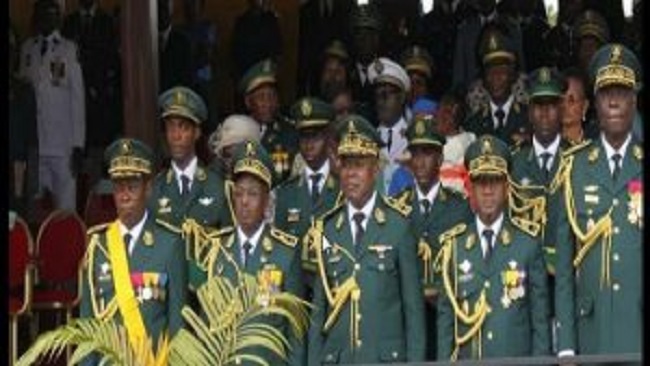 The Cameroonian army must put its conscience to the test
 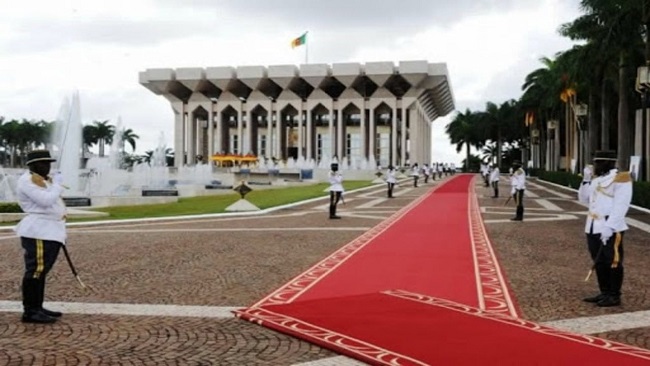 Who really pushed for the return of the Vice President of the Republic?
  When politics fails a nation, football and the Church become the battleground
  Biya has had his era; Cameroon must now be allowed to enter its next one
 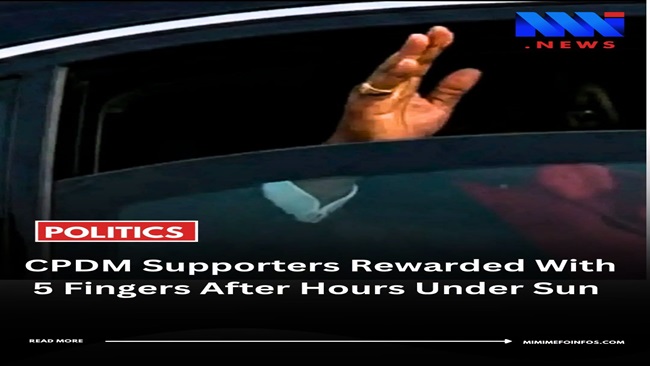 Biya’s hand: a source of glory and shame
Most Commented Posts
 4 Anglophone detainees killed in Yaounde
18 comments Chantal Biya says she will return to Cameroon if General Ivo Yenwo, Martin Belinga Eboutou and Ferdinand Ngoh Ngoh are sacked
13 comments The Anglophone Problem – When Facts don’t Lie
12 comments Anglophone Nationalism: Barrister Eyambe says “hidden plans are at work”
12 comments Largest wave of arrest by BIR in Bamenda
10 comments
Featured
-

Martinez Zogo Trial: questions over missing phone linked to Amougou Belinga
-

Revealed: Colonel Danwe admits ordering Martinez Zogo operation
-

Archbishop Nkea to battle decade of war with new peace Catechism
-

Southern Cameroons Crisis: 7 kidnapped by suspected Amba fighters in Bangourain
-
Southern Cameroons Crisis: 3 killed, 2 injured in bar shooting in Bamenda
-
US military nearing ‘breakdown’ amid sustained Iranian attacks
-
The Cameroonian army must put its conscience to the test
11, February 2021
Southern Cameroons Crisis: Ambazonia Communications Secretary says “two-state solution” only option 0
Southern Cameroons Interim Government spokesman, Milton Taka has ruled out discussing the so-called Special Status with the regime in Yaoundé, stressing that the only way to resolve 59 years of marginalization and assimilation dispute in the two Cameroons is for the United Nations and the European Union including the AU to recognize the two states.
In a Wednesday telephone conversation with Cameroon Concord News London Bureau Chief, Isong Asu Secretary Milton Taka said decentralization and regional autonomy favored by the French government of Emmanuel Macron and being teleguided by the French Cameroun regime would not be on the agenda whenever Yaoundé decides to sit down with the people of Southern Cameroons and talk.
Hon. Milton Taka observed that there is no longer any solution but for the international community to recognize both British and French Cameroun as two independent states. “Whether La Republique du Cameroun accept it or not, there is no decentralization or federation anymore,” the Ambazonia Communication Secretary told Cameroon Concord News Group. “Everyone should go their own way” he added.
Comrade Milton Taka also stated that “There is no point in discussing old solution formulas… which disregarded basic human rights to the people of British Southern Cameroons. That business is finished now.”
At the heart of the crisis, which started in 2016, was a strike by teachers and lawyers, in the English-speaking regions of Cameroon. The professionals, supported by citizens of their areas, protested the unfair use of the French language and unjustified appointments of French speakers in their territories. Cameroon is passing for a bilingual country. By 2017, the situation had spiralled out of control and developed into a fully-fledged separatist war. Both government forces and separatists are now bogged down in a conflict that observers say, can only be resolved through dialogue.
By Soter Tarh Agbaw-Ebai with files from Isong Asu in London