Featured
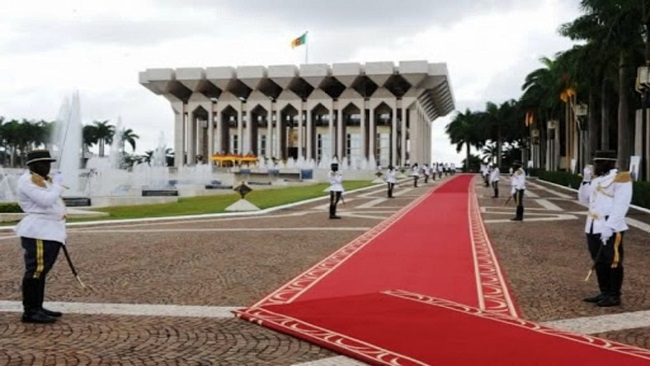 Unity Palace needs a new idea and a new head of state
 Martinez Zogo Affair: Biya must clean house and make way for a new generation
 Ambazonia People’s Liberation Authority explains motives for the new transition
 A year after Biya’s disputed re-election, CPDM remains without a timetable for next year’s polls.
 Ruling CPDM Party: When a political message runs out of the road
Most Commented Posts
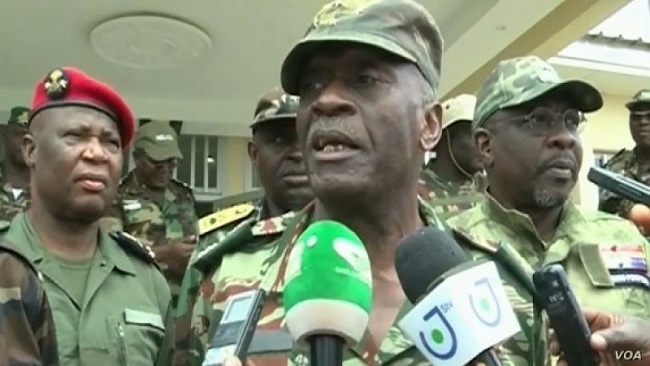 4 Anglophone detainees killed in Yaounde
18 comments Chantal Biya says she will return to Cameroon if General Ivo Yenwo, Martin Belinga Eboutou and Ferdinand Ngoh Ngoh are sacked
13 comments The Anglophone Problem – When Facts don’t Lie
12 comments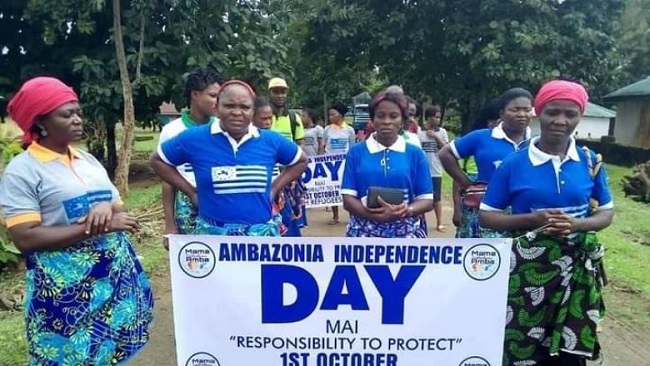 Anglophone Nationalism: Barrister Eyambe says “hidden plans are at work”
12 comments Largest wave of arrest by BIR in Bamenda
10 comments
Featured
-

Unity Palace needs a new idea and a new head of state
-

Trump says US may launch ‘another little Epic Fury’ attack on Iran
-

Formula 1: Hamilton sets sights on racing in African grand prix
-
Yaoundé: anti-corruption agency calls for stronger powers after 20 years of limited progress
-

Martinez Zogo Affair: Biya must clean house and make way for a new generation
-

Biya’s health crisis is starting to alarm investors
-

Cameroon’s Eurobond yields hit record high after Fitch downgrade
24, October 2026
Unity Palace needs a new idea and a new head of state 0
by soter • Cameroon, Editorial, Headline News, Politics
The United Republic of Cameroon or the Republic of Cameroon as it is popularly known now stands at a crossroads. As Cameroons looks towards the parliamentary and municipal elections expected in early 2027, a fundamental question demands an honest answer: how long can a country continue to look to the same political leadership for solutions to problems that have persisted for decades?
Paul Biya has been at the helm of state affairs since 1982. For more than four decades, his name has been inseparable from the country’s political landscape. Yet the passage of time inevitably raises questions about political renewal, institutional accountability and the direction in which the nation is heading.
We of the Concord Group now think Cameroon needs more than another electoral cycle. It needs a new idea, a new vision and a serious national conversation about the future of its leadership.
The United Republic or the Republic of Cameroon is a nation blessed with natural resources, fertile land, a strategic geographical position and a population rich in talent and ambition. Its young people possess ideas, energy and the desire to build a prosperous country. Yet many continue to confront unemployment, limited economic opportunities, inadequate public services and uncertainty about their future.
The crisis in the English-speaking regions, the persistent security challenges in parts of the Far North and the wider difficulties of national cohesion have also placed enormous demands on the ruling CPDM crime syndicate. These challenges require more than familiar speeches and promises. They demand policies that produce measurable results, institutions that command public confidence and leadership that is prepared to confront difficult questions.
The issue is not simply how long Biya has been in office. It is whether Cameroon’s political system is creating the conditions for a better future for the next generation. Longevity in power cannot by itself be the measure of national progress.
The anticipated 2027 parliamentary and municipal elections should be an opportunity for Cameroonians to examine the record of their representatives, debate competing visions and demand credible commitments from those seeking public office.
For the ruling Cameroon People’s Democratic Movement (CPDM), retaining a parliamentary majority may remain an important political objective. But the national interest must extend beyond the fortunes of any party. A political system cannot be judged solely by its ability to preserve power; it must also be judged by its ability to respond to citizens’ needs.
Opposition divisions are a real political challenge. When opposition parties struggle to cooperate, develop a shared program or build public trust, they risk weakening their ability to present a credible alternative. But opposition unity should not be reduced to a temporary arrangement designed only to defeat the ruling party. It must be founded on a clear program for governance, economic opportunity, national reconciliation and institutional reform.
At the same time, ELECAM’s credibility matters. Cameroonians must be able to participate freely, candidates must have a fair opportunity to compete and ELECAM must operate transparently. The legitimacy of elected representatives depends not merely on the announcement of results, but also on public confidence in the process that produces them.
A new idea does not mean rejecting everything that came before. It means recognising that a country’s needs change and that its institutions must evolve with them.
Cameroon needs a political vision that places young people at the centre of economic policy; treats education and healthcare as foundations of development; supports farmers, entrepreneurs and small businesses; and confronts corruption through transparent institutions and consistent enforcement of the law.
Cameroon needs a government that serves citizens rather than asking citizens to organise their lives around the state. It needs stronger local government, capable of addressing community priorities and using public resources responsibly. It needs a renewed commitment to national unity, one that recognises the country’s linguistic, cultural and regional diversity while protecting the equal dignity of all its citizens. Above all, Cameroon needs a political culture in which leadership is understood as a public responsibility not a permanent entitlement.
These reforms cannot be delivered by slogans alone. Any political movement including the ruling CPDM proposing a new direction must explain how it would finance its promises, strengthen public institutions, improve public services and measure progress. A new generation of leadership must be judged by the substance of its program as well as the credibility of its conduct.
The call for a new head of state is ultimately a call to open a serious debate about political succession and democratic renewal. Biya’s long tenure makes this question unavoidable. But a change of president, on its own, would not automatically resolve Cameroon’s challenges. Without institutional reform, greater accountability and a clear program of national development, a new leader could inherit the same problems and reproduce the same political habits.
The real task is therefore twofold: to create a credible pathway for leadership renewal and to build institutions strong enough to serve the country regardless of who occupies the Unity Palace. Any transition must respect the Constitution, the rule of law and the rights of citizens. It should also be peaceful, transparent and grounded in the principle that public office derives its legitimacy from the people.
Cameroonians deserve a meaningful debate about the qualities they expect from their next head of state: integrity, openness to scrutiny, respect for democratic institutions, an ability to build consensus and a demonstrable commitment to improving ordinary people’s lives. These are not the exclusive qualities of any party or political generation. They are standards by which all aspiring leaders should be assessed.
Cameroon’s future cannot be reduced to the political survival of one party, the ambitions of one opposition coalition or the tenure of one individual. The country is larger than its political class, and its aspirations extend beyond the next election.
The parliamentary and municipal elections expected in 2027 should therefore serve as a moment of national reflection. What kind of country do Cameroonians want to build? What economic opportunities should be available to their children? How can peace be restored and trust rebuilt? What institutions will protect public resources and ensure that leaders answer to the people? These questions deserve serious answers from the ruling CPDM party, the opposition and civil society alike.
After more than four decades under the same president, the debate over political succession is not simply about personalities. It is about whether Cameroon can create a political system that renews itself, welcomes new ideas and responds effectively to the aspirations of its people.
Cameroon needs a new idea because its challenges demand fresh thinking. It needs a credible process of leadership renewal because no nation should confuse continuity with progress. And it needs a future in which the quality of governance matters more than the duration of any individual’s rule.
The time has come for Cameroon to place national renewal at the centre of its political debate. The country’s next chapter should be defined not by the question of who can remain in power, but by the more important question of how power can be used to build a peaceful, prosperous and accountable state for all Cameroonians.
By Soter Tarh Agbaw-Ebai