Featured
 Federal Republic of Ambazonia: APLA demands release of Sisiku Ayuk Tabe
 Biya, how long must Cameroon wait for a new director-general at SNH?
 Sasse Old Boys: A call for conscience, integrity and responsible leadership
 Southern Cameroons Crisis: Archbishop Nkea reflects on the toll of war
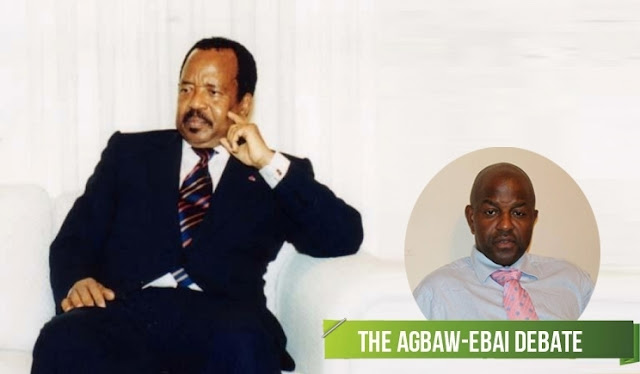 Mr Biya, the time has come for you to step down with dignity
Most Commented Posts
 4 Anglophone detainees killed in Yaounde
18 comments Chantal Biya says she will return to Cameroon if General Ivo Yenwo, Martin Belinga Eboutou and Ferdinand Ngoh Ngoh are sacked
13 comments The Anglophone Problem – When Facts don’t Lie
12 comments Anglophone Nationalism: Barrister Eyambe says “hidden plans are at work”
12 comments Largest wave of arrest by BIR in Bamenda
10 comments
Featured
-

Tchiroma stands by election boycott announced before party’s suspension
-

Southern Cameroons report 987 kidnappings as crisis disrupts trade and farming
-

Football: Mourinho says De Miguel death ‘shocking’
-

Federal Republic of Ambazonia: APLA demands release of Sisiku Ayuk Tabe
-
Douala: explosion kills 4 at iron smelting plant
-

Biya, how long must Cameroon wait for a new director-general at SNH?
-

Unity Palace: Biya, Prince Albert II of Monaco discuss strengthening ties
4, November 2026
Southern Cameroons report 987 kidnappings as crisis disrupts trade and farming 0
Cameroon’s Northwest and Southwest regions recorded 987 reported kidnapping incidents between January and September 2026, up 17.2% from the same period in 2025 and nearly double the number recorded in 2024. More than 70% of these incidents occurred in the Northwest. The figures, drawn from data compiled by the Armed Conflict Location & Event Data Project (ACLED), were cited by FEWS NET in its Cameroon food security outlook for October 2026 to May 2027, published on October 30.
According to FEWS NET, continued military operations, reprisals by separatist groups, and rising incidents of kidnapping and illegal payments continue to disrupt economic activity and travel across the two English-speaking regions. The Northwest has been particularly affected, with attacks on public transportation, an increasing number of roadblocks, and illegal checkpoints along major roads. These obstacles disrupt trade, make it harder for farmers to sell their produce, and drive up transportation costs.
Insecurity is also taking a toll on agricultural production. In conflict-affected areas, the amount of land under cultivation remains 20% to 40% below pre-crisis levels because farmers struggle to access their fields, face security threats, and are repeatedly displaced. FEWS NET reports poor harvests and weaker demand for agricultural labor, which further limits income opportunities for rural households.
Markets are also struggling to operate normally. Fewer market days, travel difficulties along trade routes, and reduced cross-border trade have limited food supplies and opportunities for households to earn income. These problems have been compounded by higher prices for smuggled Nigerian fuel, which have risen by nearly 40% since March 2026. The increase has contributed to higher transportation costs and rising prices for both food and nonfood products.
The conflict, which has pitted Anglophone separatist groups against government forces since late 2016, also continues to force people from their homes. As of September 2026, approximately 493,400 people remained displaced by the crisis, according to figures cited by FEWS NET.
Against this backdrop, FEWS NET expects Crisis-level acute food insecurity (IPC Phase 3) to remain widespread across the Northwest and Southwest from November 2026 through at least May 2027. A small but growing share of the worst-affected households may face Emergency conditions (IPC Phase 4), while reduced humanitarian assistance threatens to make access to food even more difficult.
By Jacques Eboka Eboka with files