
18, July 2018
Flooding kills 49 in Nigeria, 20 others missing 0
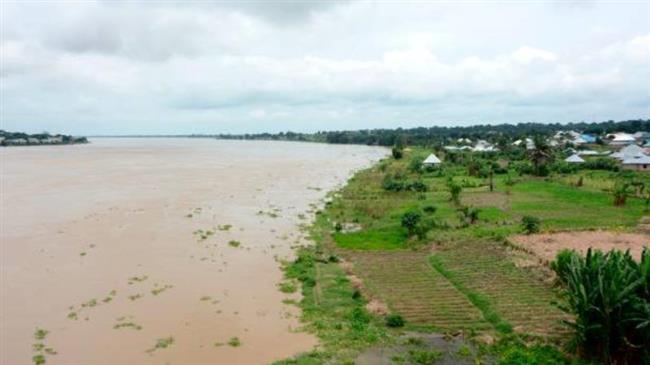
Flooding caused by torrential rains on Nigeria’s border with Niger has left 49 people dead and another 20 missing, the emergency services said on Tuesday.
Five villages in Jibia district were affected after a river burst its banks after hours of heavy rains overnight Sunday, Aminu Waziri, the head of the Katsina state emergency management agency, told AFP.
“We have recovered 49 dead bodies from the five villages and we are still searching for 20 others,” he added.
Twenty-four of the victims were washed away by to Mada Rumfa and Kantumi villages in neighboring Niger.
“Some of the victims were pulled from the rubble of their collapsed homes,” said Waziri.
More than 2,000 people displaced by the flooding were sheltering in primary schools in Jibia, while 27 injured had been taken to hospital.
“The state government has released relief materials for the affected persons and we have also asked for intervention from the national emergency management agency.”
Flooding is common in many parts of Nigeria during the rainy season which runs from May to September.
On Tuesday, local media quoted the meteorological agency as warning of flooding in many parts of the country this year because of “shift in rain pattern,” with some areas recording higher-than-usual rainfall.
In 2012, Nigeria suffered disastrous floods across 30 of its 36 states, in which hundreds of people died and about two million were left homeless.
(Source: AFP)



















18, July 2018
Bullet Wounds and Little Aid for Southern Cameroonians Fleeing Conflict 0
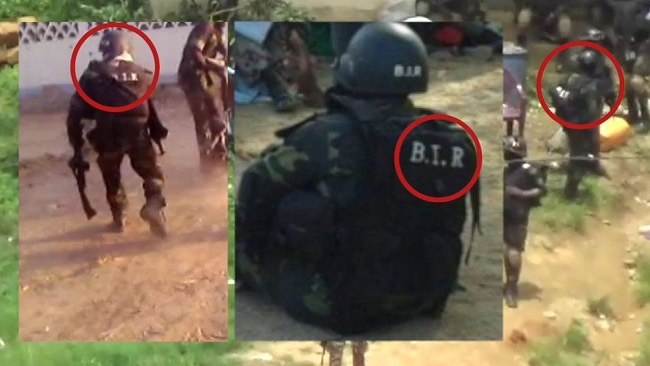
Cameroonians fleeing an increasingly bloody separatist conflict have received little aid as humanitarian agencies struggle to access the area, the United Nations said Tuesday.
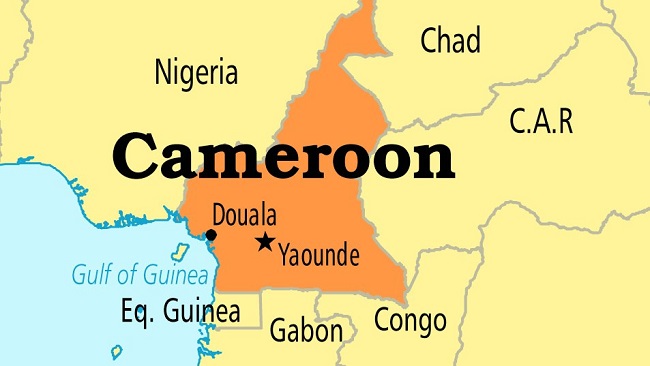
More than 200,000 people have fled their homes in the volatile western regions since late last year, in addition to at least 21,000 who have fled into Nigeria, said the U.N. Office for the Coordination of Humanitarian Affairs (OCHA).
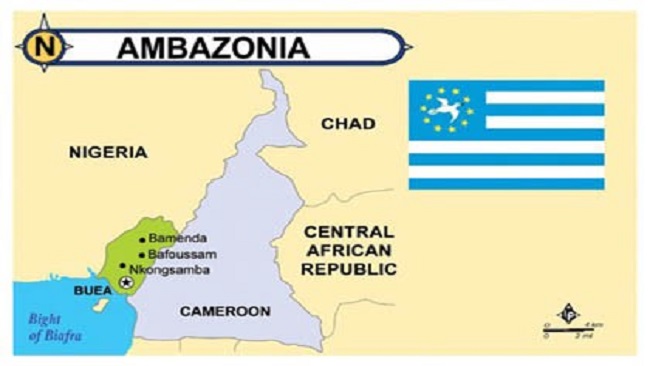
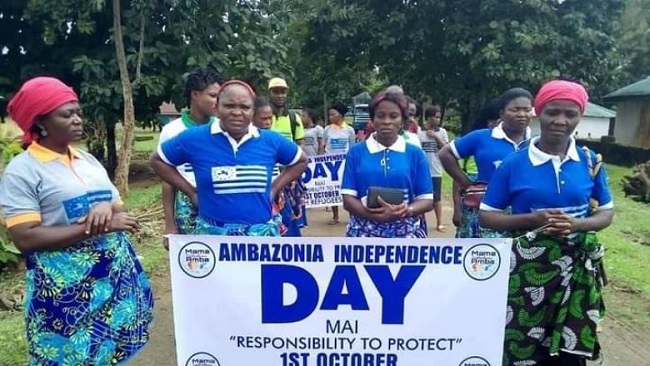
The regions have been gripped by violence since protests by the mainly Francophone country’s Anglophone minority morphed into a secessionist movement last year.
There were no humanitarian agencies in the area before the insurgency, and bad roads, travel restrictions and unpredictable attacks have made it difficult for them to go in, said Modibo Traore, the head of OCHA in Cameroon.
Most of the people who have fled clashes are hiding in the woods, he said. Some have bullet wounds but are afraid to venture into urban areas for medical care.
“The people living in the forest are asking for more assistance, saying that conditions are very difficult,” Traore told Reuters.
“They are sleeping in the open space … in the middle of the rainy season. Many people couldn’t take anything with them.”
OCHA released an emergency response plan in May calling for $15 million to provide food, shelter and other necessities to the displaced, but has received no donations so far, he said.
Medical charity Medecins Sans Frontieres began to set up mobile clinics this month in the southwest region, it said in a statement. The people it treated were lacking adequate shelter, drinking water and food, it said.
Cameroonian authorities could not immediately be reached for comment. The government published its own humanitarian assistance plan last month, and it was not clear whether aid delivery had begun.
“Because media access … is very limited, we don’t have a full grasp of the kind of suffering that people are actually going through,” said Elizabeth Mpimbaza, a spokeswoman for the U.N. refugee agency in Nigeria.
Those who fled across the border have also received little humanitarian aid, and are surviving because poor local communities are sharing what they have, Mpimbaza said.
Analysts fear violence could increase ahead of an October election in which President Paul Biya is aiming to extend his 36-year rule.
“I am very worried about the situation,” said Traore of OCHA. “Unfortunately, we are not expecting any improvement anytime soon.”
Source: VOA