

29, August 2019
S. Cameroons Crisis: Bodies dumped in streets as Ambazonians prepare for lockdown 0
The crisis in Southern Cameroons is in the midst of some seriously dangerous path. Ever since the Yaoundé Military Tribunal sentenced the Ambazonia leaders to life in prison, more than 54 people have been killed in several rural localities according to concerned NGOs and things could get much, much worse in the days ahead.
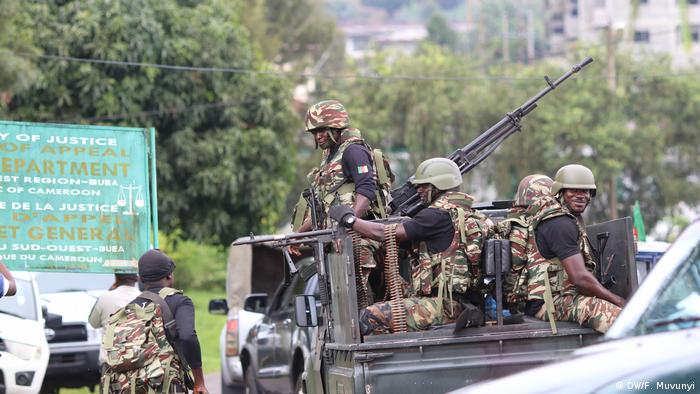
Cameroon Concord News reporter in Bamenda noted that bodies are dumped on the streets in villages on an almost daily basis. Troops loyal to the Biya Francophone regime in Yaoundé recently invaded Nkambe sub constituency killing civilians in Bongom, Njab and Mbipyi villages.
The UN agency for the prevention of genocide has been maintaining a kind of deliberate silence since President Biya declared war on the people of Southern Cameroons. Political commentators following the conflict have pointed out that the Francophone dominated government’s rhetoric has been very similar to language used before and during the genocide of the Tutsis in Rwanda.
The risk of more violence is real as the Yaoundé government is struggling to get children back to school in the war torn territory. What’s happening right now in Southern Cameroons is deadly serious as cabinet ministers of Ambazonia extraction serving the Biya government are all financing militias.
Paris is supporting the Yaoundé government in its resolve to kill the people of Southern Cameroons while many EU countries are insisting on an inclusive dialogue that will help normalize things in Cameroon.
The 86 years old President Biya has been indifferent to those calls. Many EU countries have already allied with the United States and Canada on how the Southern Cameroons crisis could be addressed. America’s determination and its ability to mobilize other countries, including some of Cameroons neighbours like Equatorial Guinea has still not yielded the required result.
The last few days have witnessed massive killings in many villages in Southern Cameroons. In the Bui, Manyu and Meme County Cameroon government troops have slaughtered more than 45 innocent civilians in a situation many observers say is unnecessary. In Bali, Esu and Jakiri and Wum army soldiers reportedly beheaded unarmed civilians. The killings have intensified over the last couple of days as the regime suspects that international pressure may increase over the sentencing of the Ambazonia leaders. Cameroon government army soldiers have also been burning homes, destroying food crops and stealing cattle.
By Soter Tarh Agbaw-Ebai with files from Rita Akana and Sama Ernest


















29, August 2019
Ambazonia crisis takes toll on professionals 0
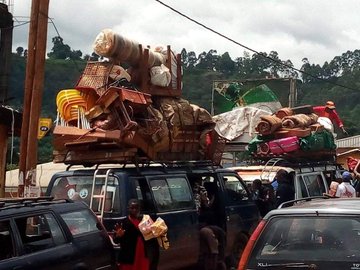
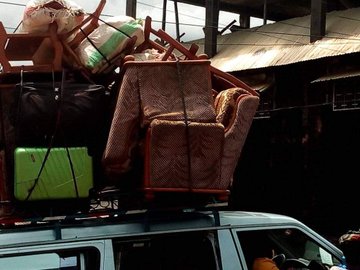
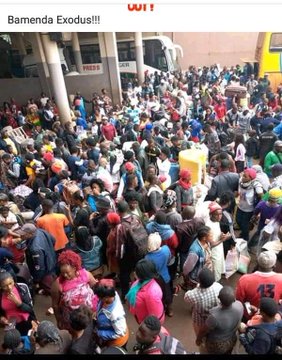
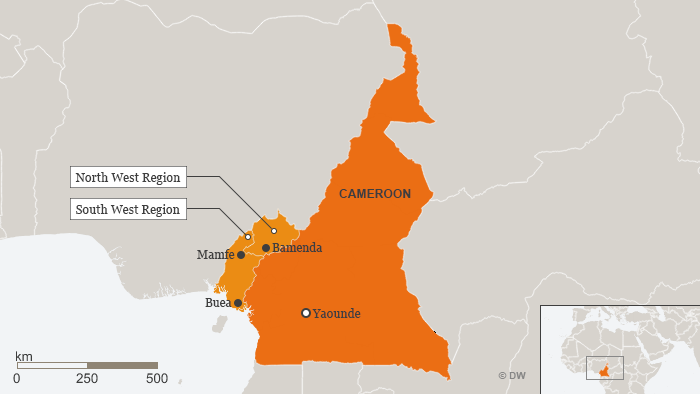
A three-week lockdown on Cameroon’s two Anglophone regions is in effect. Thousands have fled the troubled regions, some permanently to Francophone provinces.
Rebels fighting for the independence of Cameroon’s two Anglophone regions called the lockdown to protest against the life sentences handed down to ten of their leaders last week.
Schools and shops are closed. There is no public transport. Hospitals and health clinics run by humanitarian organisations will remain open throughout the three weeks.
This, like previous lockdowns, has caused thousands of civilians to flee. Some permanently, especially those who have the financial means to put down roots elsewhere.
“It’s ironic that we professional Anglophones are starting new lives in the Francophone regions,” says Chantal (not her real name), who left her home town of Bamenda a year ago for a job in the Francophone Western region.
The push to secede began in 2016 after a government crackdown in the Northwest and Southwest English-speaking regions of the predominantly Francophone country.
Anglophones were angered that Francophone teachers and lawyers were being brought to their regions to work and teach.
Kindness of strangers
The professional classes in the cities of Bamenda and Buea have been hard hit, with many established businesses and organisations relocating to Francophone regions.
“The marginalisation and discrimination is still very much alive and visible in Cameroon,” laments Chantal and adds, “On the other hand there is so much solidarity from some Francophones who understand the crisis and how difficult it is for people to leave their homes.”
The UN estimates that 1.3 million people are in need of humanitarian assistance as a result of the Anglophone crisis.
“The security situation makes it difficult for people to move around, and for humanitarian organisations to access people in need,” explains James Nunan, director of the UN Office for the Coordination of Humanitarian Affairs in Cameroon.
There are no official figures of how many people have fled. What is certain is that a significant proportion of them are professionals, causing a brain drain from Anglophone to Francophone regions.
Source: RFI