31, March 2024
Yaoundé cuts tax on new tire imports to spur quality use and local production 0
The government of Cameroon has announced a 10% reduction in the taxable value of newly imported tires. This move, reported by the Minister of Finance -Louis Paul Motazé, aims to lower the cost of new tire imports into the territory. It is set to last for six months, with the possibility of an extension if required.
Minister Louis Paul Motazé stressed that the decision was taken following “the very high instructions of the Head of State… prescribing additional support measures after pump fuel prices were adjusted,” starting from February 3, 2024. These presidential directives were communicated to him in a letter from Ferdinand Ngoh Ngoh, the Secretary-General of the Presidency of the Republic, dated February 23, 2024.
Beyond the official reasons provided by the Finance Minister, the reduction in the cost of importing new tires in Cameroon also aims to encourage the use of quality tires in the land transport sector. This sector often experiences road accidents caused by the use of poor-quality tires. However, although the decision by Minister Motazé appears to be a temporary measure, it emerges amidst the implementation of an import-substitution policy, which is designed to reduce imports while introducing incentives to foster the development of local production.
In this context, several projects for tire production facilities are in the pipeline. An example is the Cameroon Tyre Factory (CTF), a subsidiary of Neptune Holding owned by Cameroonian business operator Antoine Ndzengué. Currently marketing “Double Star” tires from the German company Double Star Industry, CTF plans to establish a production unit in Bomono, a suburb of Douala, for an investment of CFA400 billion. With an annual production capacity of 4.6 million units, the factory is expected to create about 2,500 jobs.
Such a project could potentially reduce consumer prices for new tires and narrow the country’s trade deficit caused by the massive importation of both new and used tires. According to a report on Cameroon’s external trade by the National Institute of Statistics (INS), the country spent CFA32.6 billion to import 23,164 tons of new tires in 2022. This expenditure represents a decline of approximately CFA1.2 billion from the previous year, as revealed by the INS report.
Furthermore, the INS document disclosed that Cameroon imported 6,596 tons of retreaded or used tires in 2022, costing just over CFA2 billion. The previous year saw imports of 6,913 tons of such tires, amounting to CFA1.8 billion. Contrary to popular belief, the INS data indicates that new tires, despite being more expensive, are more marketed and used in Cameroon than so-called second-hand tires.
Source: Business in Cameroon


6, April 2024
BEAC withdraws CFA63bn in a week to curb CEMAC inflation 0
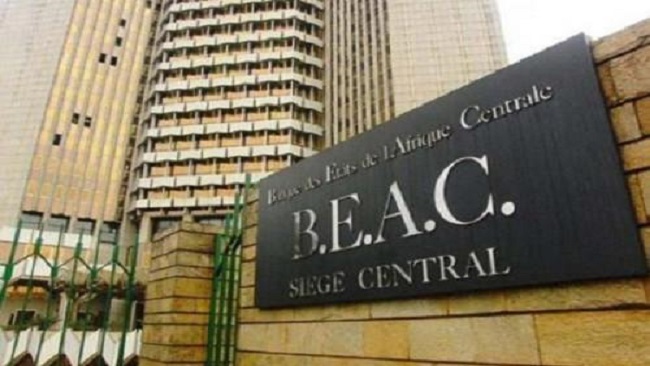
The Bank of Central African States (BEAC) has successfully withdrawn a total of CFA63 billion from the banking system in two operations. This move is part of the central bank’s efforts to combat monetary inflation, which accounts for 20% of the inflation in the region.
The first withdrawal operation took place on March 28, when the central bank targeted CFA50 billion through the issuance of 14-day BEAC bonds at a 2.5% interest rate. However, it only managed to attract an offer of CFA15 billion, resulting in a relatively low demand coverage rate of just over 30%.
On April 2, BEAC launched another operation for CFA230 billion but only one bank participated, allowing the central bank to withdraw CFA48 billion at an interest rate of 1.25%. In total, the central bank managed to collect CFA63 billion from commercial banks in a week.
Let’s note that the escalation of liquidity withdrawals, including increasing the amounts sought by the BEAC and issuing BEAC bonds, are among the strategies employed by the CEMAC central bank to fight soaring inflation within the region. In addition to these measures, the BEAC has recently increased its key interest rates multiple times to slow down the refinancing pace of commercial banks and has suspended its liquidity injection operations into the banking system.
The central bank’s goal is to drain the banks and thus restrict economic agents’ access to credit. According to the BEAC, injecting significant financing into economic circuits contributes to inflation, especially in countries like those in the CEMAC region, where most goods and services are imported.
Source: Business in Cameroon