21, July 2024
There are reasons why SNH Board Meetings are now holding at the Presidential Palace 0
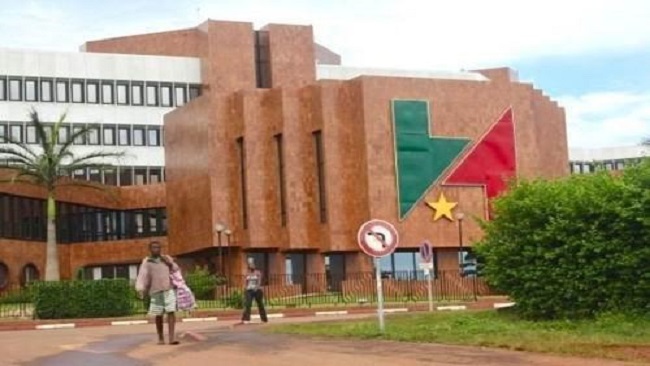
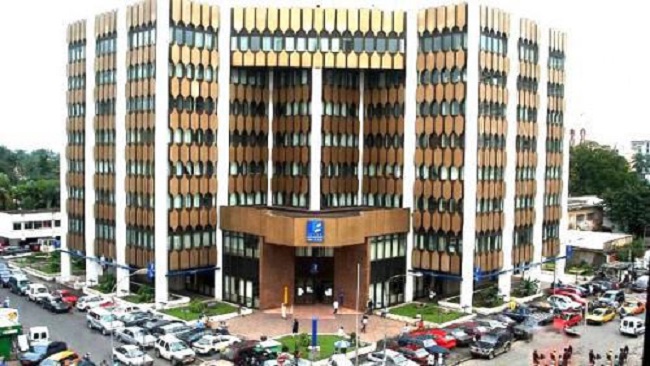
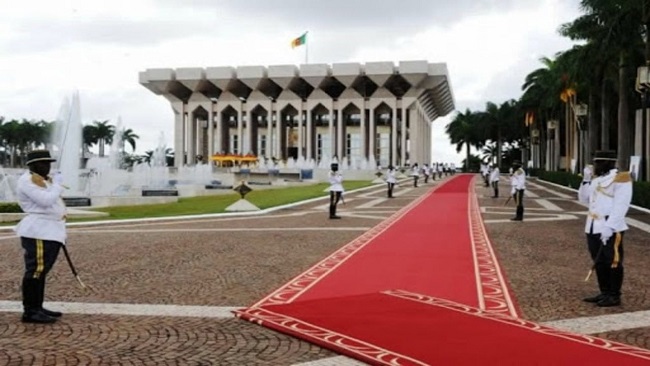
An extraordinary meeting of the board of Cameroon’s oil and gas corporation (SNH) is scheduled for next July 24 at the Presidential Palace, not at the company’s headquarters. The info is detailed in a letter from the board’s chairman, Ferdinand Ngoh Ngoh, who also serves as the Secretary General of the Presidency.
“Dear Board Member, I am pleased to inform you that the extraordinary board meeting of SNH, originally planned for Wednesday, July 17, 2024, has been rescheduled to Wednesday, July 24, 2024, at 2:00 PM, in Room 8324 of the Secretary General’s Office at the Presidential Palace, maintaining the same agenda,” reads the letter from Ngoh Ngoh to board member Jules Mana Nschwangele. This notice confirms various rumors circulating since July 17, 2024.
The rescheduling confirms that the board meeting initially set for July 17 did not take place. Reports from various digital platforms, later corroborated by board members, indicate that the meeting was blocked due to the closure of the company’s doors, a decision reportedly made by SNH’s current General Administrator, Adolphe Moudiki.
Handover of power
Internal sources suggest that on July 17, 2024, board members were turned away from SNH’s headquarters despite arriving to attend the meeting. The shift of the meeting to the presidential palace highlights the challenges in organizing such events at the company’s main office.
Furthermore, the board’s notification hints at a significant decision expected from this extraordinary session, which has only one item on the agenda, according to the Secretary General’s letter. Various sources indicate that the meeting will likely lead to the replacement of the General Administrator. After 31 years in charge, Adolphe Moudiki is expected to be succeeded by Joseph Dipepa, a prominent RDPC party member from the Littoral region.
It appears that Moudiki’s frustration is not solely with the prospect of being replaced but also with not being informed about his impending departure from the company. Additionally, there seems to be dissatisfaction about not being consulted on a replacement, as Dipepa’s appointment has reportedly stirred discontent among SNH’s old guard. Notably, on March 6, 2024, Moudiki signed a memo hinting at a power transition, though it still left him central to the management structure while delegating significant responsibilities to Igor Emmanuel Soya Bissaya, his second advisor.
Glencore Case
Beyond the anticipated leadership change at SNH, recent developments reflect ongoing tensions between the General Administrator and the Chairman. Disputes have arisen in connection with the Savannah Energy case. This British junior oil company had signed an agreement with SNH on April 19, 2023, to purchase 10% of assets claimed by Savannah in the Cameroon Oil Transportation Company (Cotco), which manages over 90% of the Chad-Cameroon pipeline in Cameroon. This agreement led to a diplomatic crisis between Cameroon and Chad, with Chad contesting Savannah’s claims in Cotco and in Chad Oil Transportation Company (Totco), as well as in Chadian oil fields.
In response, SNH Chairman Ferdinand Ngoh Ngoh was dispatched to N’Djamena by President Biya, following Chad’s recall of its ambassador from Cameroon. Ngoh Ngoh announced the resolution of the crisis after meeting with the Chadian President on April 26, 2023. He then chaired an SNH board meeting on June 13, 2023, where the transaction with Savannah Energy was “frozen.” Unusually, the official statement on this decision bore the Presidential Palace’s letterhead instead of SNH’s. Sources suggest this statement bypassed another version being prepared by SNH before being sent to the Chairman for approval.
Additionally, there is the Glencore case, involving the Anglo-Swiss trader sentenced in November 2022 for bribing public officials in Africa, including Cameroon. After SNH publicly denounced such practices, Moudiki reportedly sought a state investigation into SNH’s involvement in the Glencore scandal. This request, though approved by the President, is seen by some as a move to settle scores with close aides of the President.
Source: Business in Cameroon















24, July 2024
CPDM Crime Syndicate: Biya authorizes CFA616 Billion in borrowing for 2024 budget 0
President Paul Biya signed a decree authorizing Finance Minister Louis Paul Motazé to secure a total of CFA616 billion in loans for the state. This amount is allocated for “financing development projects included in Cameroon’s 2024 finance law and settling outstanding payments (invoices pending with the Treasury),” according to the presidential decree. Of this total, CFA280 billion is to be raised domestically, while CFA336 billion will be sourced from international markets.
The decree aligns with an earlier ordinance signed by President Biya on June 20, 2024, and approved by Parliament. This ordinance amends certain provisions of the 2024 finance law, which was passed by Parliament in November 2023. The revised finance law increases the state budget by CFA533 billion (+8%), raising it from CFA6,679.5 billion to CFA7,212.5 billion.
A close examination of the budget adjustment reveals that the additional CFA533 billion will primarily be financed through borrowing. The government plans to increase its “loans and other financing” by CFA488 billion, representing 91.5% of the budget increase. Specifically, the allocation for loans and other financing will rise from CFA1,489.4 billion in the initial finance law to CFA1,977.4 billion in the revised budget, with a significant portion coming from international debt.
Debt Breakdown
The 2024 budget adjustment includes a reduction of CFA95 billion in loans from domestic public securities. In response, the government has decided to secure additional “program loans” amounting to CFA240 billion from multilateral lenders, and “initial loans from external private entities” that could reach up to CFA467 billion. Additionally, the government has cut its initial borrowing targets from Paris Club members, non-Paris Club governments, and other private external entities by CFA123 billion.
Overall, the CFA616 billion in authorized borrowing combines the CFA533 billion increase from the revised finance law and the remaining loans needed under the initial budget. This is expected to raise Cameroon’s debt levels throughout 2024.
According to the Autonomous Amortization Fund (CAA), which manages public debt in Cameroon, the country’s public debt reached CFA13,070 billion as of June 2024, up 4.9% year-over-year. Of this total, 93.5% is direct central government debt (CFA12,219 billion, or 40.4% of GDP, well below the 70% threshold set by the Cemac region), while 6.4% is held by public enterprises and institutions, and 0.1% by decentralized territorial authorities.
Source: Business in Cameroon