11, April 2024
Biya regime unveils first enclosed gold processing unit in Central Africa 0
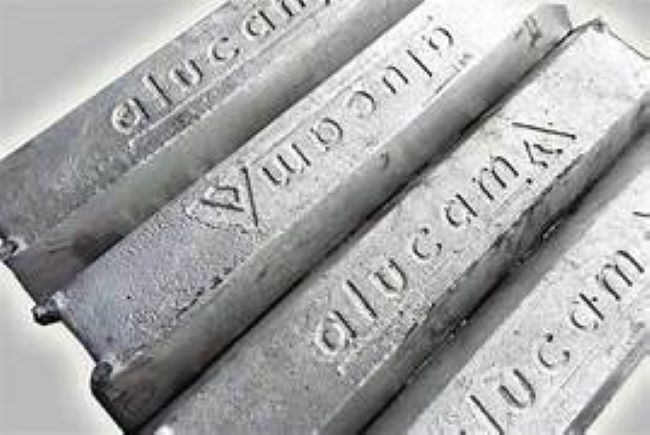
The Ministry of Mines, Industry, and Technological Development of Cameroon has officially opened the country’s first enclosed gold ore processing unit in the town of Kana, Eastern region. This groundbreaking facility, a first for Central Africa, was announced on April 5 by the acting head of the ministry, Fuh Calistus Gentry. The project, spearheaded by the companies Codias, Yucam, and Xin Wang, represents a significant leap in mining technology and practices within the region.
Boasting a maximum processing capacity of 500 tons of ore per day, the innovative gold processing system set up at the Shunda Mining site is expected to increase production efficiency to over 90%, boost national reserves, and ensure greater transparency in actual production figures. In addition to being profitable for both the state and operators, it is also lauded for its environmental benefits and as an effective solution to combat child labor in mining operations.
“This system for processing mineralized gravel in a closed tank will significantly reduce the waste of resources, marking a significant change from the precarious situation that currently prevails in the East and Adamaoua regions. It will also significantly reduce the environmental footprint of the mining industry as it is practiced today using methods that are three centuries old,” said Minister Fuh Calistus Gentry, as reported by Cameroon Tribune.
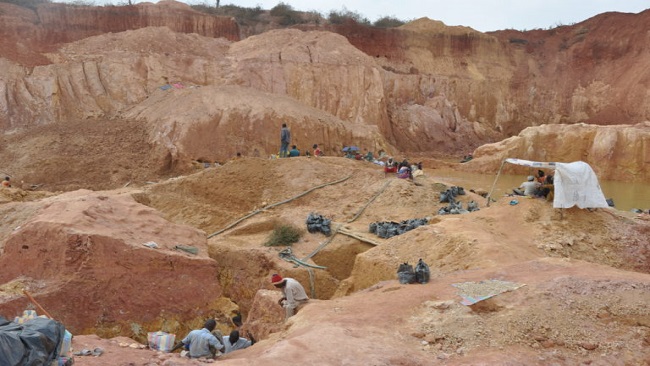
Traditionally, gold ore processing in Cameroon has been done using open systems, which experts say results in a mere 30% average gold recovery rate. This method leads to a 70% waste of resources, which end up being released into the environment. The new system triples the metal recovery rate from 30% to as high as 90% or even 95%. Moreover, what used to be discarded as waste is now seen as a potential deposit for further gold extraction.
The government aims to establish 10 such enclosed system operations across the country. Companies Codias SA, Yucam, and Xing Wang are fully committed to meeting the activity schedule for setting up an enclosed mining system by August 2024 at the Colomine small gold mine project site and at the Batouri-East site for semi-mechanized artisanal mining. Moreover, two more installations are planned at the mining sites in Bétaré-Oya, also in the East, alongside the inauguration of an enclosed system designed by a French company later this month and another by a Canadian company in June 2024.
The government’s goal is to completely abandon artisanal methods. Previously, some semi-mechanized artisanal operators used chemicals like mercury and cyanide for gold recovery, leading to uncontrolled environmental effluent discharge and exposing local populations to heavy metal contamination risks.
In July 2023, Fuh Calistus Gentry urged mining operators to adopt enclosed processing units (or closed circuits) to eliminate any risk of accidental effluent discharge into the environment. On April 5, he reiterated his call for operators in the sector to transition “as soon as possible” to this system or face the withdrawal of their exploration permits. Gentry emphasized that it will no longer be possible to issue a semi-mechanized mining exploitation permit without an enclosed system installation plan or partnership with a company that has such a system. He also gave a six-month deadline for existing permit holders to comply with the new requirement.
Source: Business in Cameroon


15, April 2024
World Bank says despite high potential, 75 vulnerable economies face ‘Historic Reversal’ 0
Despite their high potential to advance global prosperity, one-half of the world’s 75 most vulnerable countries are facing a widening income gap with the wealthiest economies for the first time in this century, a new World Bank report has found. Taking full advantage of their younger populations, their rich natural resources, and their abundant solar-energy potential can help them overcome the setback.
The report, The Great Reversal: Prospects, Risks, and Policies in International Development Association Countries, offers the first comprehensive look at the opportunities and risks confronting the 75 countries eligible for grants and zero to low-interest loans from the World Bank’s International Development Association (IDA). These countries are home to a quarter of humanity—1.9 billion people. At a time when populations are aging nearly everywhere else, IDA countries will enjoy a growing share of young workers through 2070—a huge potential “demographic dividend.” These countries are also rich in natural resources, enjoy high potential for solar-energy generation, and boast a large reservoir of mineral deposits that could be crucial for the world’s transition to clean energy.
Yet a historic reversal is underway for them. Over 2020-24, average per capita incomes in half of IDA countries—the largest share since the start of this century—have been growing more slowly than those of wealthy economies. This is widening the income gap between these two groups of countries. One out of three IDA countries is poorer, on average, than it was on the eve of the COVID-19 pandemic. The extreme-poverty rate is more than eight times the average in the rest of the world: one in four people in IDA countries struggles on less than $2.15 a day. These countries now account for 90 percent of all people facing hunger or malnutrition. Half of these countries are either in debt distress or at high risk of it. Still, except for the World Bank Group and other multilateral development donors, foreign lenders—private as well as government creditors—have been backing away from them.
“The world cannot afford to turn its back on IDA countries,” said Indermit Gill, the World Bank Group’s Chief Economist and Senior Vice President. “The welfare of these countries has always been crucial to the long-term outlook for global prosperity. Three of the world’s economic powerhouses today—China, India, and South Korea—were all once IDA borrowers. All three prospered in ways that whittled down extreme poverty and raised living standards. With help from abroad, today’s batch of IDA countries has the potential to do the same.”
More than half of all IDA countries—39 in all—are in Sub-Saharan Africa. Fourteen of them—mainly small island states—are in East Asia, and eight are in Latin America and the Caribbean. In South Asia, all countries except for India are IDA countries. Thirty-one IDA countries have per capita incomes of less than $1,315 a year. Thirty-three are fragile and conflict-affected states.
IDA countries share similar opportunities. The “demographic dividend”—a deep and growing reserve of young workers—is one of them. Abundant natural resources is another. These countries account for about 20 percent of global production of tin, copper, and gold. In addition, some IDA countries possess critical mineral deposits essential for the global energy transition. Because of their abundant sunshine, most IDA countries are well situated to take advantage of solar energy. On average, their long-term daily solar-electricity generation potential is among the highest in the world.
This potential, however, comes with risks that must be managed. To reap the demographic dividend, IDA governments will need to undertake policies to improve education and health outcomes and make sure that jobs are available for the rising number of young people who will enter the workforce in the coming decades. To seize the full potential of their natural-resource wealth, IDA countries will need to improve policy frameworks and build stronger institutions capable of better economic management. All of this will require ambitious domestic policy reforms—and significant financial support from the international community.
“IDA countries have incredible potential to deliver strong, sustainable, and inclusive growth. Realizing this potential will require them to implement an ambitious set of policies centered on boosting investment,” said Ayhan Kose, the World Bank’s Deputy Chief Economist and Director of the Prospects Group. “This means improving fiscal, monetary, and financial policy frameworks and advancing an array of structural reforms to strengthen institutions and enhance human capital.”
IDA countries today have large investment needs. In the poorest of them, closing existing development and infrastructure gaps and building resilience to climate change will require investment that amounts to nearly 10 percent of GDP. The costs of climate disasters have doubled in IDA countries over the past decade: Economic losses from natural disasters average 1.3% of GDP a year—four times the average of other emerging market and developing economies. Such needs will require IDA countries to generate sustained investment booms—the type that boosts productivity and incomes and reduces poverty. Historically, such investment booms have often been sparked by a comprehensive package of policy measures—to bolster fiscal and monetary frameworks, ramp up cross-border trade and financial flows, and improve the quality of institutions. Such reforms are never easy, the report notes. They need careful sequencing and implementation. But previous IDA countries have shown they are possible.
IDA countries will need significant international financial support to make progress and lower the risk of “protracted stagnation,” the report notes. Stronger cooperation on global policy issues—including fighting climate change, facilitating more timely and effective debt restructurings, and supporting cross-border trade and investment—will also be crucial to help IDA countries avert a lost decade in development.