23, May 2018
President Trump says North Korea summit ‘may not work out’ in June 0
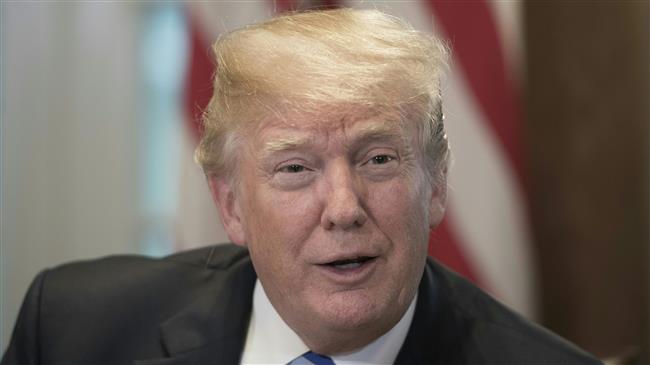
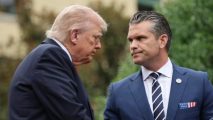
US President Donald Trump has said his summit with North Korean leader Kim Jong-un “may not work out” in June, raising further doubt about whether the historic meeting would occur as planned.
Trump made the comment during a meeting with South Korean President Moon Jae-in in the Oval Office of the White House on Tuesday.
“We’re moving along. We’ll see what happens,” Trump told reporters. “There are certain conditions we want to happen. I think we’ll get those conditions. And if we don’t, we won’t have the meeting.”
The US president did not specify the conditions Washington was setting for the landmark meeting due in Singapore on 12 June.
“There is a very substantial chance that it won’t work out, but that’s OK,” he added. “It doesn’t mean it won’t work out over a period of time, but it may not work out for June 12. But there is still a good chance we’ll have the meeting.”

The South Korean president, for his part, expressed optimism about the occurrence of the planned summit between Trump and Kim, and said he was “confident” that the meeting between the two sides would be a success.
“We are looking forward to the first US-North Korea summit and we find ourselves standing one step closer to the dream of achieving the complete denuclearization of the Korean peninsula and world peace,” Moon said.
“I have no doubt that you will be able to complete and accomplish an historic feat that no one has been able to achieve in the decades past,” he added.
During the Tuesday talks in the Oval Office, Trump said he believed the North Korean leader was “absolutely very serious” about denuclearization and stressed that Kim’s safety would be guaranteed under any deal that eliminated his nuclear weapons.
Pyongyang threatened last week to scrap plans for what would be a historic meeting between Trump and Kim in Singapore on June 12 over US pressure on the North.

North Korea not only threatened to cancel the unprecedented summit with Washington but also suspended a high-level meeting with Seoul after South Korea conducted joint military drills with the US on the Korean Peninsula.
The talks were supposed to discuss implementing a declaration issued at the end of an April 27 inter-Korea summit, which included interest in the “common goal” of denuclearization.
South Korea has vowed to mediate talks between the United States and North Korea.
Washington and Pyongyang have no diplomatic relations. The US has imposed many rounds of sanctions on North Korea, has substantial military presence near the country, and has numerously threatened to invade it over its weapons programs.
Trump has previously suggested the Demilitarized Zone separating North and South Korea would be the best place for the high-stakes summit, but American officials had asked him to hold the talks in a third country.
Singapore has diplomatic relations with both the United States and North Korea.
The Trump-Kim summit, if it takes place, would mark the first such meeting between a sitting US president and a North Korean leader in history.
Source: Presstv




 IG with Patrice Nganang




23, May 2018
Bishop Andrew Nkea says Cameroon needs dialogue to avert useless, senseless civil war 0
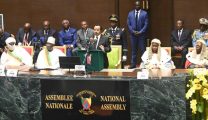
The call for dialogue as a way out of the security crisis in Cameroon’s Anglophone region has been reiterated by the country’s Catholic Bishops.
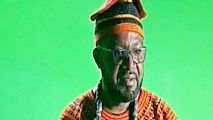
In an interview with the BBC Focus on Africa, Bishop of Mamfe in the southwest region, Andrew Nkea, stressed that urgent dialogue was required to pull the country back from a “useless and senseless” civil war.
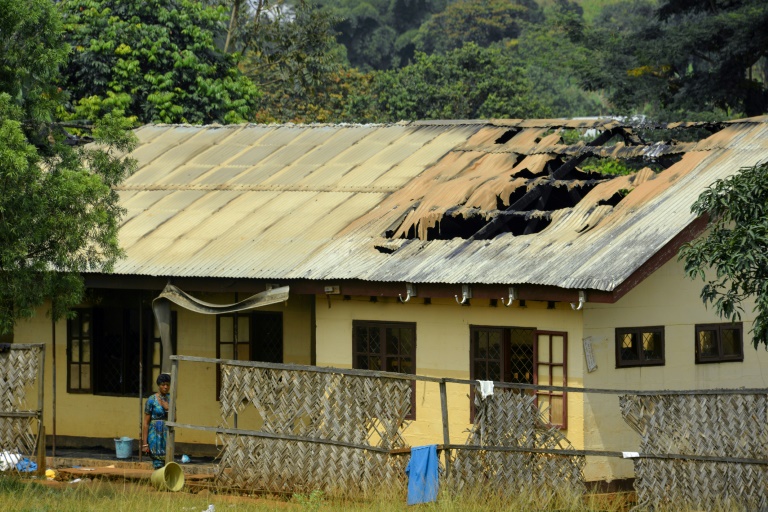
In the interview, he spoke at length about the harrowing experiences that bishops went through during a tour of burnt down regions in the violence hit parts of the Anglophone regions – Northwest and Southwest.
“One of the main things we are stressing is that violence only breeds violence, but if we start talking to each other, we may arrive at a middle point where there will be peace and that is what we want, we want a peaceful resolution to the conflict.
“And this can only come through dialogue, some form of reconciliation, some form of discussion that will bring all the warring parties to save this country from what we call a useless and senseless civil war,” he said.
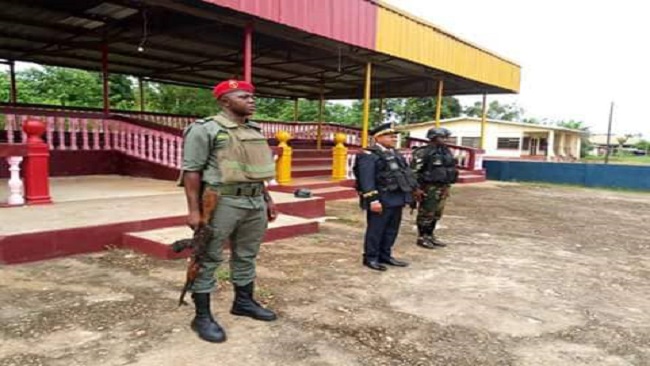
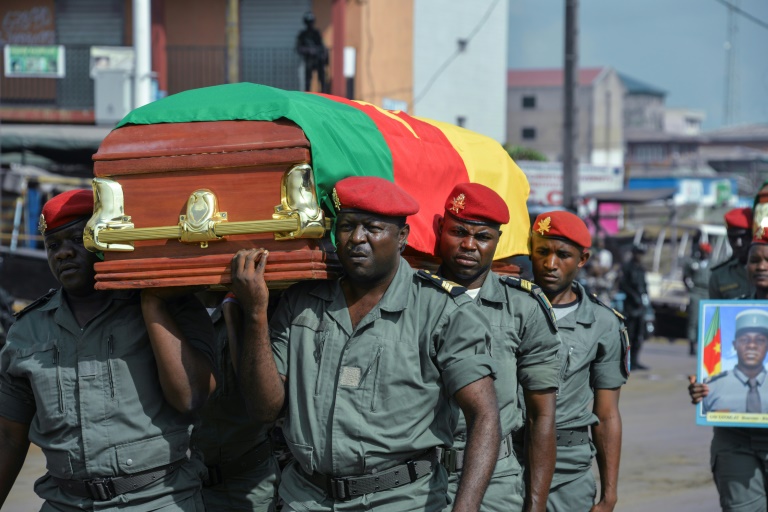
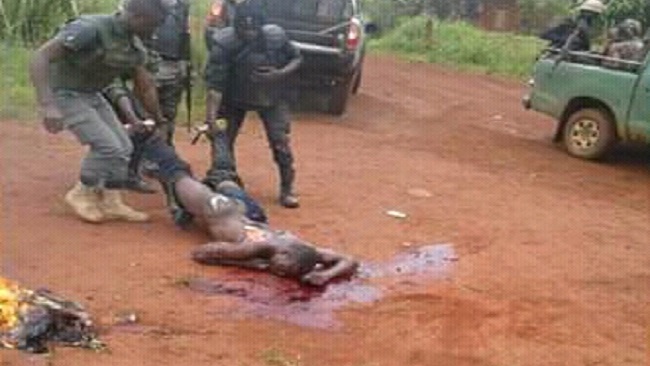
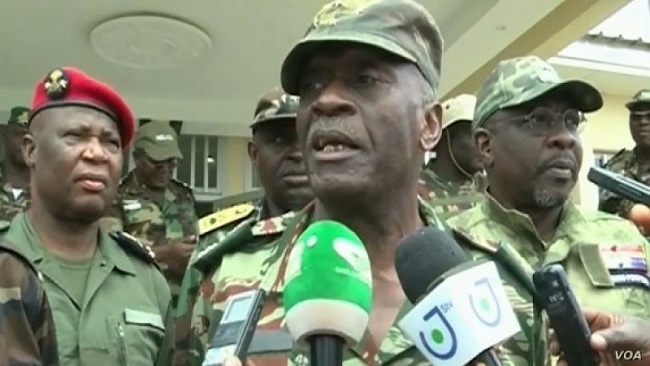
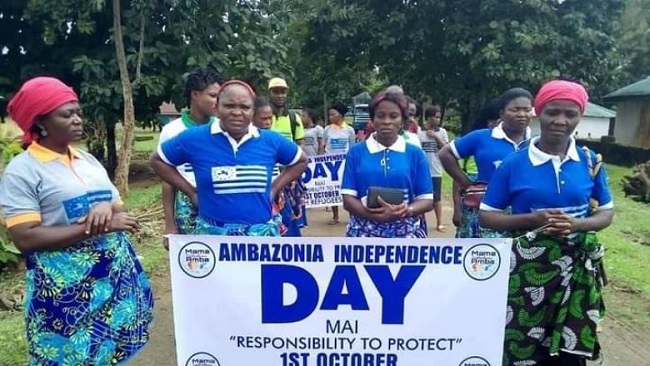
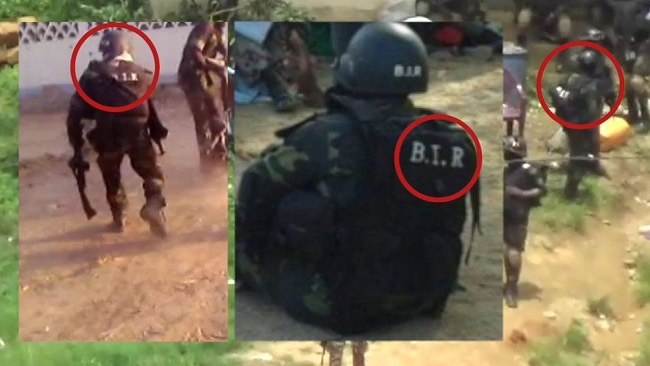
The regions in question have been riled by armed violence between government and secessionist forces. A cry against marginalization from French-majority Cameroon escalated in October last year when separatists attempted to declare a so-called independent Ambazonia Republic.
The bishop stressed that violence has been on both sides, whiles the army was burning down entire villages, the spearatists were also burning down schools and other state institutions.
The international Crisis Group has identified the church as the most potent political mediator between the government and separatist elements.
Its April 26 report titled: Cameroon’s Anglophone Crisis: How the Catholic Church Can Promote Dialogue, averred that the clergy needed to united with a strong common position (between federalism vs. decentralisation) in order to be seen as credible mediators.
Source: Africa News