
24, August 2020
Biya must pay the price for attacks against Southern Cameroonians: Vice President Yerima 0
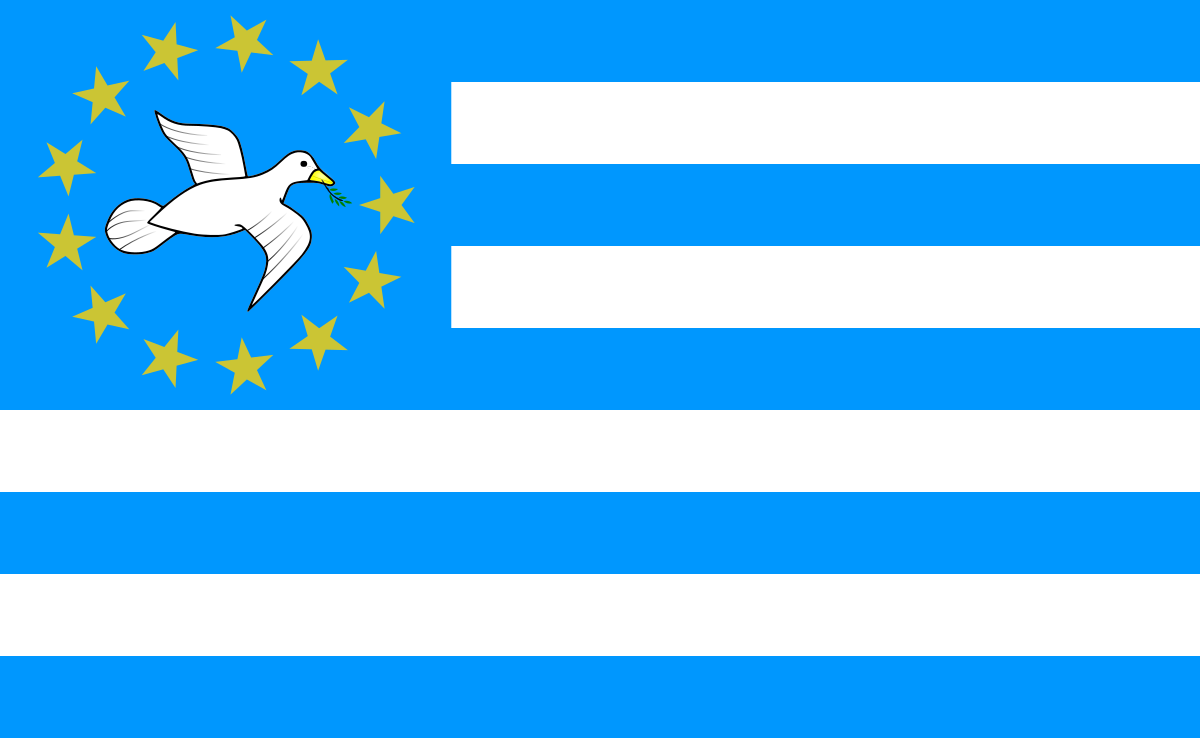
The Southern Cameroons Interim Government has warmed that French Cameroun dictator will pay the price for declaring a war against the people of Ambazonia.
In a televised address to Southern Cameroonians last week, Vice President Dabney Yerima said that the French Cameroun regime and its corrupt leadership must bear the consequences and pay the price for the continued killings going on in the Federal Republic of Ambazonia.
“Over the last three weeks, the barbarisms of the French Cameroun Army and the regime in Yaoundé have been laid bare and the world is witnessing again the unpleasant side of the Yaoundé neo-colonial regime. The past few weeks are a clear sign of its utter desperation in the full realization that our people have decisively rejected annexation and colonial bondage for good. I come to you today on the 34th anniversary of the Lake Nyos disaster to speak of the tragic loss and devastation the Southern Cameroons (Ambazonia) has faced over the last three weeks” Yerima observed.
British Southern Cameroons, home to some eight million people, has been under a Biya French Cameroun imposed war for over four years now which has caused a catastrophic decline in the living standards as well as unprecedented levels of unemployment and unrelenting poverty there.
Vice President Yerima revealed that “On 7 August 2020, a staff of COMINSUD, an implementing partner for several United Nations agencies, was kidnapped from his home and later killed by unidentified armed individuals. On 11 August 2020, an unacceptable and despicable video circulated on social media of the slaughter of a woman in Muyuka. Upon close scrutiny, Ambazonia Intelligence Services identified that the perpetrators spoke with French Cameroun accents.”
“On Wednesday, 12 August 2020, three Southern Cameroonian minors were murdered in their gardens as they hunted for snails by French Cameroun prowling forces. A lawyer commissioned to ascertain the facts surrounding their murder was unlawfully arrested, harassed, detained for two nights. French Cameroun lawless forces continued their genocidal campaign by invading the village of Mautu, in Fako County on 13 August 2020, slaughtered over 30 civilians and recorded themselves dragging the lifeless body of a young man along the streets” the exiled Ambazonia leader furthered.
The Cameroon government army has also launched major operations against Southern Cameroonians residing in the rural areas, killing thousands of Ambazonians each time and shattering the impoverished territory’s already poor infrastructure.
Yerima noted that “Paul Biya and his minions have committed every crime under the sun. Over the last three weeks, we have been reminded of Paul Biya’s atrocities by the hideous execution of a woman in Muyuka, the murder of three children in Tiko, the abduction and brutal execution of four men in Bafut, the massacre in Mautu, the burning of villages in Ikata, the murders in Ndop and the dragging of the body of a slayed young man on the road. These genocidal crimes were committed by Biya’s tribal army and their proxies.”
Ever since the UN Security Council called for an international ceasefire to combat the Covid-19 pandemic, the French Cameroun war machine has been pounding different Southern Cameroons counties through artillery fire and claiming that the military operations were mainly targeting the so-called separatists.
By Soter Tarh Agbaw-Ebai














24, August 2020
Southern Cameroonians supporting Biya complicit in crimes against Ambazonians 0
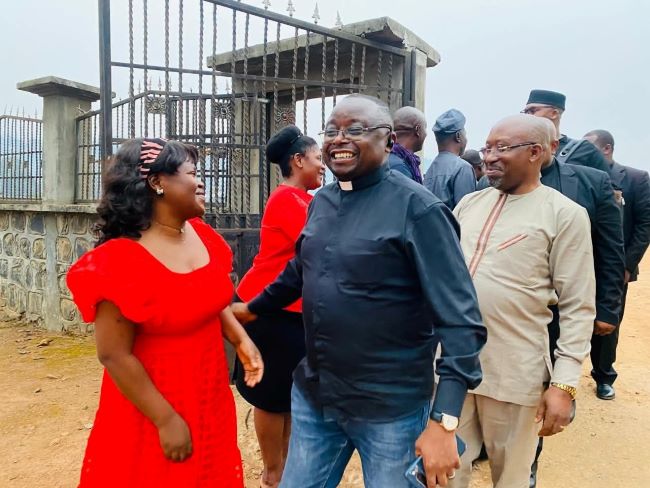
One of the pioneers of the Manyu Liberation Council has roundly denounced Southern Cameroons CPDM officials who are presently cooperating with the Biya French Cameroun regime saying such Ambazonians are complicit in the Yaounde regime’s crimes against the Ambazonian nation.
Seseskou Dr Ako Peter also stated that Southern Cameroons traditional authorities supporting the Yaounde regime are indeed partners in crimes against the Ambazonian people. The senior Manyu figure made the comments in a telephone conversation with Cameroon Concord News late on Sunday.
He also censured efforts by French Cameroun administrative officers to portray a good image of the ruling CPDM crime syndicate, emphasizing that Southern Cameroons villages who still welcome Francophone DOs and SDOs on lame and ridiculous reasons that they wish to resolve chieftaincy issues are actually turning a blind eye to facts, and telling lies in a bid to justify their corrupt mindsets.
“The French Cameroun regime became strong by destroying the Southern Cameroons House of Chiefs and shattering our Southern Cameroons traditional institutions through appointing the wrong persons as chiefs and killing innocent Southern Cameroonians. Biya and his French Cameroun regime remain the worst enemy of the Ambazonian nation, and has been sinister, destructive and dubious in its relationship with the Federal Republic of Ambazonia” Seseskou Dr Ako Peter pointed out.
He said that French Cameroun political elites before and after Biya only think of exploiting the people and resources of Ambazonia.
By Chi Prudence Asong with files from Soter Agbaw-Ebai