17, November 2021
Pfizer to allow generic versions of its Covid pill for poor countries 0
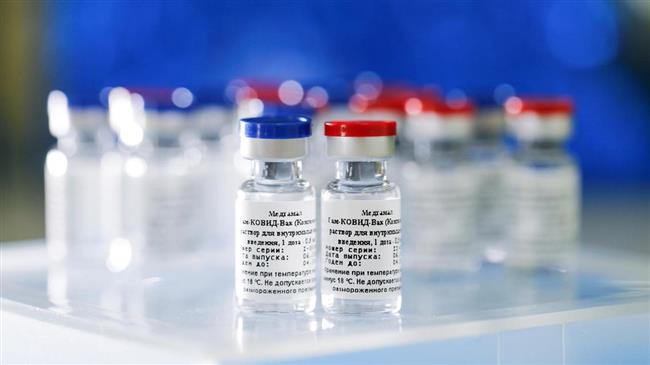
US pharmaceutical giant Pfizer on Tuesday announced a deal to make its prospective antiviral Covid-19 pill available more cheaply in the world’s least-wealthy countries.
Pfizer will sub-licence production of its promising Paxlovid pill to generic drug manufacturers for supply in 95 low- and middle-income nations covering around 53 percent of the world’s population.
Under the deal struck with the global Medicines Patent Pool (MPP), Pfizer — which also produces one of the most widely-used Covid vaccines with German lab BioNTech — will not receive royalties from the generic manufacturers, making the treatment cheaper.
The agreement is subject to the oral antiviral medication passing ongoing trials and regulatory approval.
The Pfizer drug is to be taken with the HIV medicine ritonavir.
Interim data from ongoing trials demonstrated an 89 percent reduction in the risk of Covid-19-related hospitalisation or death compared to a placebo, in non-hospitalised high-risk adults with Covid-19 within three days of symptom onset, said Pfizer.
Similar results were seen within five days of symptom onset, it added.
The Geneva-based MPP is a United Nations-backed international organisation that works to facilitate the development of medicines for low- and middle-income nations.
If approved, the pill could be on the market in “a matter of months”, MPP policy chief Esteban Burrone told AFP.
Pfizer also said Tuesday that it was seeking an emergency use authorisation, or EUA, in the US for the Covid pill.
HIV drug mix
Pfizer will forego royalties on sales in all countries covered by the agreement while Covid-19 remains classified as a Public Health Emergency of International Concern by the World Health Organization.
Last month, the WHO maintained the highest level of alert over the spread of the SARS-CoV-2 virus that causes Covid-19.
Paxlovid, or PF-07321332, is an investigational antiviral therapy designed to block the activity of the SARS-CoV-2-3CL protease — an enzyme that the coronavirus needs to replicate.
Taking it together with a low dose of ritonavir helps slow the breakdown of PF-07321332. It therefore remains active in the body for a longer period at a high concentration, to help combat the virus.
The pill could potentially help patients avoid severe illness, which can lead to hospitalisation and death, Pfizer said.
“We believe oral antiviral treatments can play a vital role in reducing the severity of Covid-19 infections, decreasing the strain on our healthcare systems and saving lives,” said Pfizer chairman and chief executive Albert Bourla.
While a multitude of vaccines have been rolled out in the pandemic, the hunt for treatments for those who have already caught the disease has not been as fruitful.
Agreement follows Merck deal
The MPP was founded by Unitaid, which works on innovations to prevent, diagnose and treat major diseases in poorer countries.
“During a pandemic, saving time means saving lives. This agreement could help us to reach more people more quickly as soon as the medicine is approved,” said Unitaid executive director Philippe Duneton.
Potential sublicensees have until December 6 to register an expression of interest.
The announcement comes after the MPP signed a similar voluntary licensing deal with Pfizer’s US rivals Merck & Co last month for its investigational oral antiviral medicine molnupiravir.
Subject to regulatory approval, the deal will help create broad access to molnupiravir in 105 low- and middle-income countries.
Pills are easier to make than vaccines, do not require a cold chain for delivery and can be self-administered by the patient.
In terms of relieving health systems by preventing hospitalisations, “it’s a game changer”, said Burrone.
He said pricing for the Pfizer pill had not yet been set, but said that “in a competitive environment… the prices tend to come down” to a low level.
Doctors Without Borders (MSF) meanwhile suggested it might cost around $700 per Pfizer treatment course, in line with molnupiravir.
The medical charity said it was disheartened by the deal, saying restrictive voluntary licences were no substitute for guaranteed global access to Covid tools to bring the pandemic under control.
Source: AFP
















19, November 2021
Yaounde: Civil servants reject COVID-19 vaccines 0
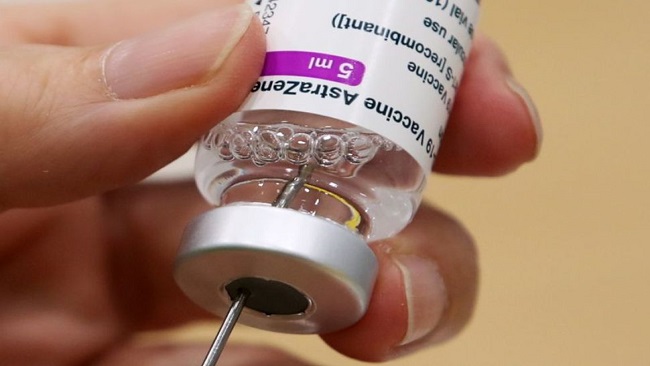
Authorities in Cameroon say fewer than 300 of a targeted 300,000 state workers have agreed to be vaccinated against COVID-19 two weeks into a campaign. Some civil servants who spoke to VOA hold a mistaken belief that the virus is no longer a threat in Cameroon. But health officials say vaccinations in the Central African state must be stepped up amid concerns about another wave of infections.
Several dozen people enter and leave Cameroon’s Public Service and Administrative Reform Ministry Thursday morning. At the ministry’s courtyard is a new stand where civil servants can get COVID-19 vaccines free of charge.
Vaccination team member Roland Njalla said only 11 of the expected 400 ministry employees have volunteered to be vaccinated over the past 10 days.
“People are not well informed and edified as to what the vaccine is going to bring as an advantage, as a plus. People are afraid, they don’t know the side effects of the vaccine. I think that is the principal problem,” he said.
Cameroon officially launched a one-month campaign to vaccinate at least half of its 600,000 active and retired government workers against COVID-19 November 10. Vaccinations started five days before the official launch.
The Public Health Ministry says it has vaccinated just 300 of the 300,000 expected active and former state workers.
Public Service and Administrative Reform Minister Joseph Le said he is pleading with workers to accept the COVID-19 vaccine.
“This campaign is intended to ensure that the professional environment is not a place where the virus spreads, but a suitable environment for professional development for all of us. We will continue to emphasize that vaccination is the only way to protect ourselves from the devastating effects of this terrible pandemic,” he said.
Cameroon announced last month that the COVID-19 Delta variant was present in the country and infection rates were increasing.
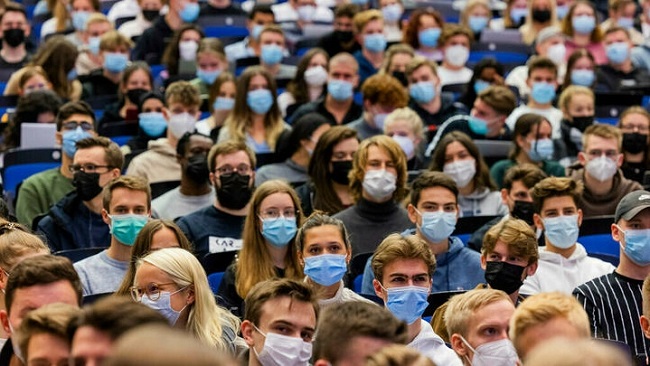
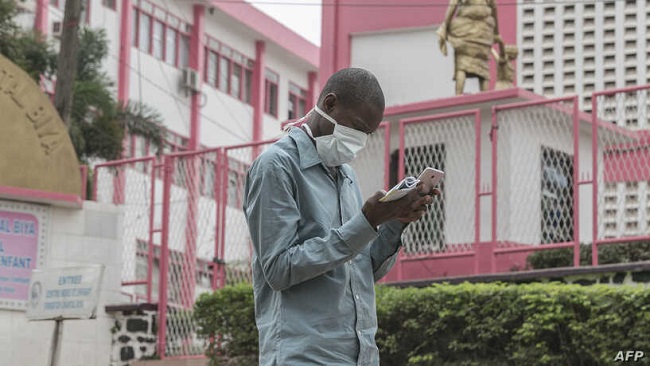
The health ministry is encouraging people to be vaccinated and continue to wear face masks, wash their hands regularly and keep at least a meter from each other.
Health Minister Manaouda Malachie said people are reluctant to take the vaccine because of lack of awareness, rumors and exposure to misinformation spread mainly on social networks.
Manaouda said 1993 Nobel Peace Prize winner Nelson Mandela, whom many Cameroonians consider their mentor, once called vaccinations the most powerful of all preventive health measures. He says the COVID-19 vaccine saves lives and reduces the risk of getting and spreading the virus.
The Cameroon Bar Association said last month that some government officials were blocking unvaccinated civilians from public offices.
Evaristus Morfaw Nkafu, president of the General Assembly of the Cameroon Bar Association, said no law compels public service users to provide vaccination cards.
“There are some authorities who have decided that those who are not inoculated will not enter into their premises. It means they are discriminating against Cameroonians. Rather than coercing, I think the government should educate the people. They should persuade the people and even give incentives,” said Nkafu.
Nkafu said a campaign to raise awareness on COVID-19 vaccination should be offered to those who are hesitant by reaching out and providing crucial information where they live.
The government denied that it is compelling people to be vaccinated.
It is definitely encouraging the jabs.Only one-half percent of the targeted 12 million people were fully vaccinated as of October 30.
Source: VOA