31, January 2020
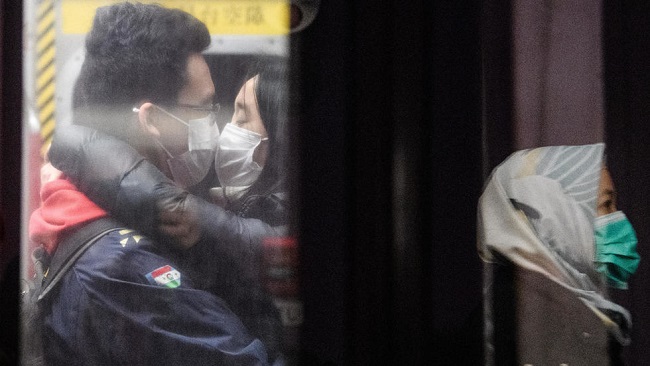
WHO declares coronavirus international emergency as death toll surpasses 200 0
The nationwide death toll in China’s coronavirus outbreak has risen to 213, with nearly 2,000 new cases confirmed, the National Health Commission said on Friday.
In its daily update, the commission said 43 new deaths had occurred as a result of the virus, all but one of them in hardest-hit Hubei province where the virus first emerged.
The latest numbers indicate that the daily death count and the overall spread of the virus within China were continuing to grow steadily, despite unprecedented quarantine measures imposed on Hubei a week ago and other preventative steps nationwide.
On Thursday, Chinese health officials had reported a nationwide total of 38 new deaths, all but one of them in Hubei.
The National Health Commission said there were 1,982 new confirmed cases, bringing the total to just under 10,000.
Another 102,000 people were under medical observation with possible symptoms of the respiratory ailment.
The WHO had initially downplayed the threat posed by the disease, but revised its risk assessment after crisis talks on Thursday.
“We must all act together now to limit further spread… We can only stop it together,” WHO chief Tedros Adhanom Ghebreyesus told a briefing in Geneva.
Tedros nevertheless said travel and trade restrictions with China were unnecessary to stem the spread of the virus, which has now been confirmed in more than 15 other countries across the globe.
Many countries have already urged their citizens not to visit China while some have banned entry for travellers from the central Chinese city of Wuhan, where the virus first surfaced.
(AFP)














2, February 2020
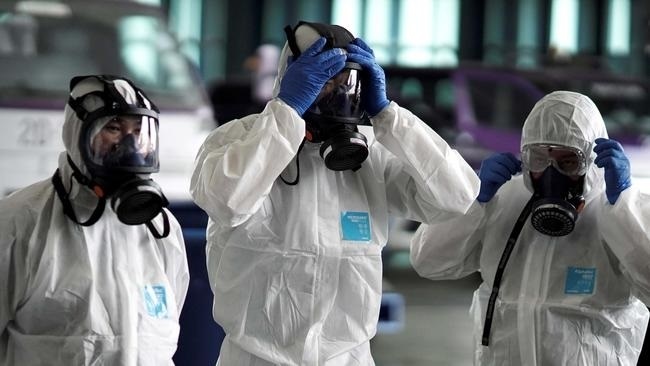
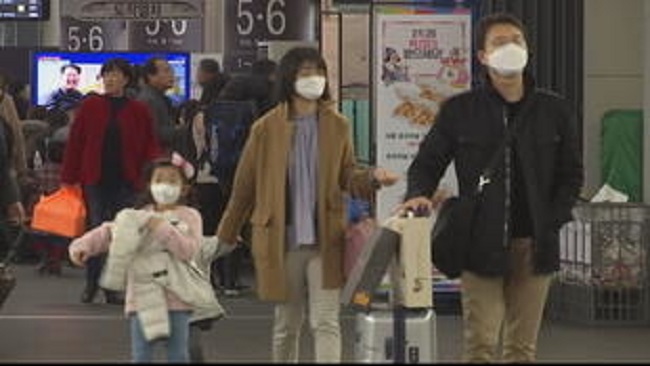
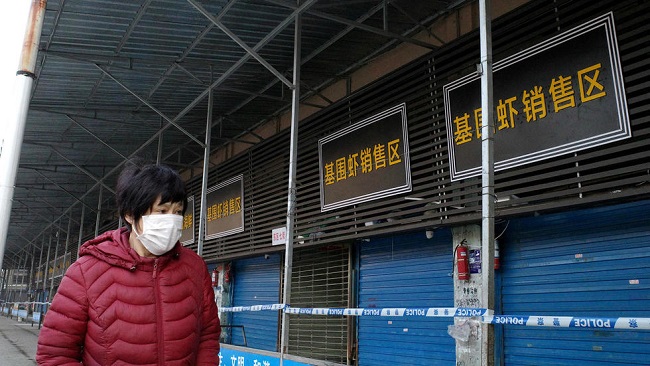
Biya, world leaders support China’s anti-epidemic efforts 0
In recent days, more foreign leaders have spoken positively of and supported China’s efforts to battle the novel coronavirus outbreak through various means.
In his call to Chinese President Xi Jinping, Russian President Vladimir Putin offered sympathies over the pain and loss inflicted on Chinese families and wished each patient a speedy recovery.
He expressed belief that under Xi’s leadership, China’s resolute measures will contain the epidemic and minimize losses.
The Russian people are willing to offer necessary aid to the friendly Chinese people, Putin said, adding that relevant Russian departments will work with counterparts in China through closest coordination to eliminate this common threat.
Calling Chinese leaders’ efficient response and the heroism of the Chinese people admirable, Belarusian President Alexander Lukashenko said that Belarus, always China’s reliable and loyal friend, will offer medical supplies to help the Chinese people battle the epidemic.
Thai King Maha Vajiralongkorn said that the international community is greatly impressed by the efforts and determination of the Chinese government to fight the epidemic and the extensive epidemic prevention measures it has taken.
The Thai people and himself will pull together with the Chinese people in times of trouble, the king said, extending wishes that China will secure an early victory against the epidemic.
Nepali President Bidhya Devi Bhandari said that at this difficult time, Nepal will firmly unite with the Chinese government and the friendly Chinese people. Bhandari expressed appreciation of and support for the Chinese leaders’ extraordinary efforts to contain the epidemic, and thanked China for taking care of Nepali citizens in China.
Tunisian President Kais Saied spoke highly of the Chinese government’s efforts in combating the epidemic, expressing belief that under the strong and wise leadership of Xi, China’s efforts to contain the outbreak will soon pay off.
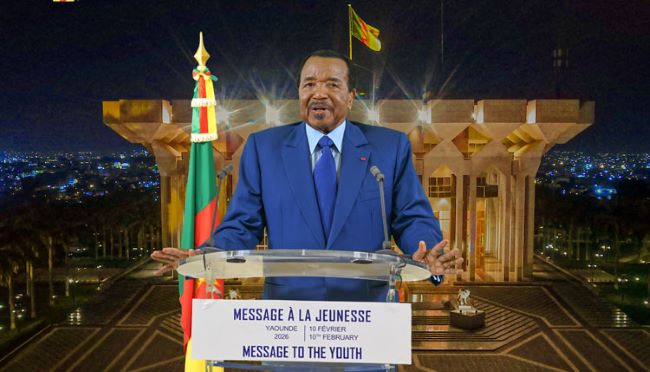
Cameroonian President Paul Biya said that on behalf of the Cameroonian people, he offered sympathies and support to the Chinese people at a time when the Chinese government and people are fighting a heroic battle against the epidemic.
Cote d’Ivoire’s President Alassane Ouattara said the government and people of Cote d’Ivoire firmly support the efforts made by the Chinese government and people in fighting the epidemic.
Pakistani Prime Minister Imran Khan said the Pakistani side highly appreciates and firmly supports China’s efforts to combat the epidemic and thanks China for providing help to Pakistani citizens in China.
The Pakistani side firmly believes that China can give full play to its unique institutional advantages to overcome the epidemic, Khan said, adding that Pakistan is willing to mobilize all the country’s medical supplies reserves to assist China, and will firmly stand alongside the brotherly Chinese people.
Mongolian Prime Minister Ukhnaa Khurelsukh said the people of Mongolia understand the feelings of the Chinese government and people, who are facing the challenges posed by the epidemic. The Mongolian people believe that under the strong leadership of the Chinese government and with the concerted efforts of the Chinese people, China will soon rein in the epidemic.
Singaporean Prime Minister Lee Hsien Loong said Singapore will closely cooperate with China to jointly combat the epidemic. China is making efforts to control the illness and Singapore has been prepared. There is no need to panic.
Prime Minister of Sao Tome and Principe Jorge Bom Jesus offered his sympathy and support to the Chinese government and believed that China will defeat the epidemic.
Source: Xinhuanet