
24, January 2021
Cameroonian man wanted in Germany for armed robbery arrested in Malta 0
A 25-year-old man from Cameroon who is serving a prison sentence in Malta has been re-arrested on the strength of a European arrest warrant issued by Germany.
The man is wanted in Germany for armed robbery and organised crime.
He is currently serving a prison sentence at the Corradino Correctional Facility after the court found him guilty of crimes relating to counterfeit passports, last September.
The man was taken to court earlier and accepted to be extradited back to Germany.
He remains in custody at the Corradino Correctional Facility.
The prosecution was led by Inspector Mark Galea from the Department of International Relations.
Source: Maltatoday














26, January 2021
Southern Cameroons Crisis: Atanga Nji Militia’s deadly PSS Mankon attacks 0
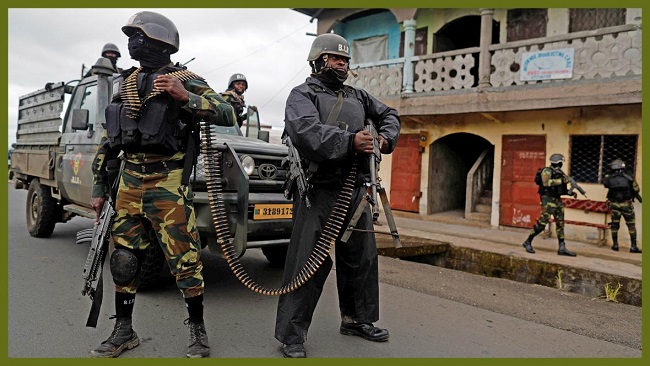
In the early hours of Friday 22nd and Saturday 23rd January, about 21 gunmen from the Atanga Nji Militia stormed PSS Mankon boarding school. The attackers attempted to lock the dormitories and later on set it on fire.
Yaoundé has already blamed the incident on Southern Cameroons Self Defense Forces but people in the know in Bamenda are saying the attacks were carried out in an area protected by government troops.
Some 60 girls and 73 boys were rushed out of the dormitories. Our correspondent in Bamenda revealed at the time of filing this report that three female students sustained life threatening injuries.
A source at the North West governor’s office that spoke to Cameroon Concord News but sued for anonymity said elements of the Cameroon government Army Rescue were in PSS Mankon on Saturday night at the time of the action and came under attack from Ambazonia Restoration Forces.
There are conflicting reports as to which side should be held responsible for Saturday’s attacks with the pro Biya Moderator of the Presbyterian Church in Cameroon, Rt. Rev. Fonki Samuel Forba saying “the source of the fire is yet to be ascertained”.
The office of the Southern Cameroons Vice President is maintaining a kind of deliberate silence on the matter and no Ambazonia group has claimed responsibility.
In a statement the Moderator noted that “Two separate fire incidences at the campus of PSS Mankon on Friday, 22nd and Saturday 23rd January 2021 affected three dormitories and the property of some students. The students in the affected dormitories have been relocated and the Proprietor, in collaboration with the Education Secretary and the administration of the school, is doing everything possible to ensure that affected students are well catered for.”
A beaming Senior Divisional Officer for Mezam, Simon Emile Mooh has ordered the Mayor of Bamenda II to begin reconstruction of the boys ‘dormitory while the Mayor of Bafut is to focus on the girls’.
By Fon Lawrence in Bamenda