Featured
 Journalist held incommunicado for photo of Ambazonia unrest
  Where is Bishop Francis Lysinge now?
  Indomitable Lionesses: meet Kyria Bihina our saviour
  Cameroon cannot be governed by absence: It is time for the CPDM to prepare a new leader
  Nyene Mawn in Germany: Manyu Women leading, Manyu girls rising, Manyu communities thriving
Most Commented Posts
 4 Anglophone detainees killed in Yaounde
18 comments Chantal Biya says she will return to Cameroon if General Ivo Yenwo, Martin Belinga Eboutou and Ferdinand Ngoh Ngoh are sacked
13 comments The Anglophone Problem – When Facts don’t Lie
12 comments Anglophone Nationalism: Barrister Eyambe says “hidden plans are at work”
12 comments Largest wave of arrest by BIR in Bamenda
10 comments
Featured
-

Biya regime raises financial bar for private Hajj Operators ahead of 2027
-

Journalist held incommunicado for photo of Ambazonia unrest
-
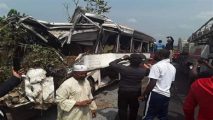
Yaounde-Bafoussam highway: 16 killed in bus crash
-

Yaoundé: trial of 66 detainees from post-election crisis postponed
-
Germany: Mfuni annual convention has kicked off in Mulheim
-
Where is Bishop Francis Lysinge now?
-

Cameroon hails Lionesses after penalty shootout sends team to WAFCON final
16, August 2026
Biya regime raises financial bar for private Hajj Operators ahead of 2027 0
Cameroon has tightened financial and operational requirements for private Hajj organizers ahead of the 2027 pilgrimage, with operators now required to provide a CFA10 million guarantee and demonstrate annual revenue of at least CFA100 million.
The new conditions are set out in an order signed on August 6, 2026, by Territorial Administration Minister Paul Atanga Nji. They apply to agencies and private operators seeking approval to organize pilgrimages to Islam’s holy sites.
The biggest change concerns the financial guarantees required from operators. Applicants must now show annual revenue of at least CFA100 million and provide a CFA10 million financial guarantee issued by a bank approved by the Central African Banking Commission (COBAC), the regional regulator and supervisor of credit, microfinance and payment institutions in CEMAC.
The guarantee must be secured two months before the start of each Hajj season, according to the ministerial order.
The government wants the requirement to provide greater financial protection for commitments made by organizers to pilgrims and service providers. It also seeks to ensure that operators have sufficient resources to meet obligations related to accommodation, transportation, meals and other services for pilgrims.
Higher Costs Expected for the 2027 Hajj
The new framework also tightens requirements for operators’ experience and qualifications. Applicants must be Cameroonian nationals, speak Arabic or English and have a strong knowledge of Hajj rituals.
They must also have personally completed the pilgrimage “at least three times by the date the application is submitted,” according to the order. The requirement gives greater weight to operators with direct experience of both the religious rites and the logistical demands of transporting and accommodating pilgrims in Saudi Arabia.
Agencies must also demonstrate adequate operational capacity. Applicants are required to have suitable premises, IT equipment and qualified permanent staff. They must provide preliminary contracts covering essential services, including accommodation, meals and transportation. Medical personnel must also accompany pilgrims during their stay.
The tighter rules come at a time when organizing the pilgrimage has become more demanding and expensive. On June 3, Cameroon’s ambassador to Saudi Arabia, Iya Tidjani, announced that the cost of the Hajj would increase in 2027. The rise is linked in part to higher service costs in Saudi Arabia and new requirements governing the pilgrimage.
The official cost for the 2026 Hajj was CFA3,262,620, unchanged from the previous year. The expected increase in 2027 will therefore come at a time when private operators will also need more financial resources to meet the new licensing requirements.
Source: Business in Cameroon