27, November 2018
Ambazonia: Yaounde endorses “indiscriminate killings” IG studying plans for operations in La Republique 0
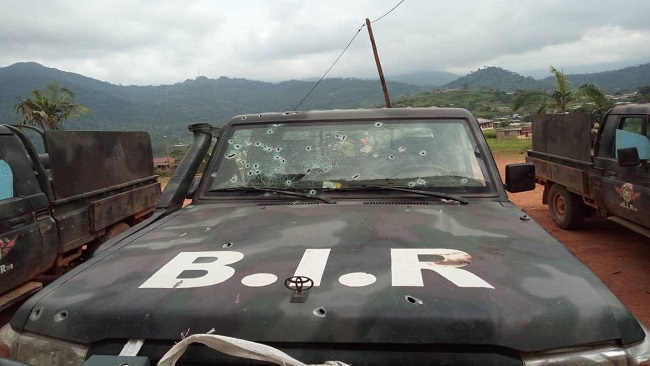
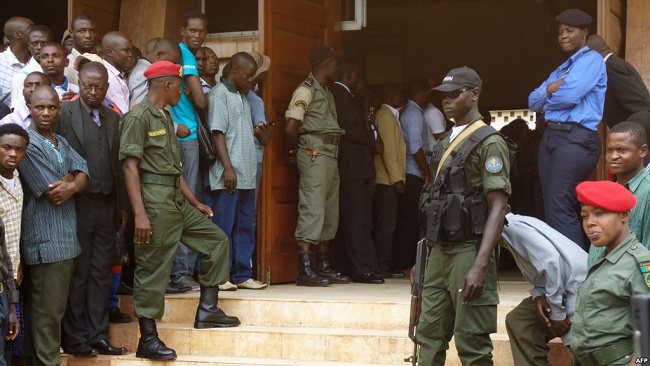
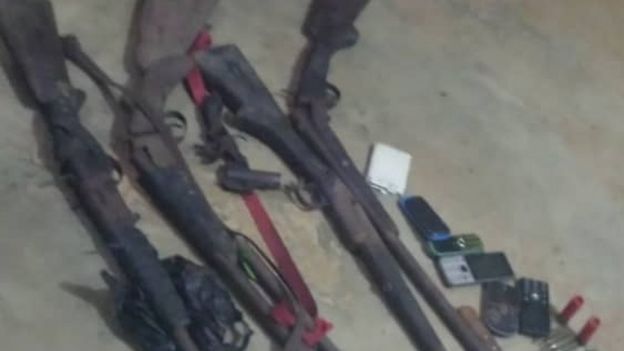
French Cameroun soldiers deployed to Southern Cameroons have been told to resort to the policy of indiscriminate killings. Yaoundé says the killings carried out by the Cameroon government forces in Nkambe and Bali has dealt a fatal blow to the Ambazonian Restoration Forces.
Cameroon government military spokesman, Colonel Badjeck hinted recently that with the approval of the Minister of Territorial Administration, Paul Atanga Nji who also moonlights as Secretary of the National Security Council, the army has been authorized to carry out “massive killings” and that the leadership of the exiled Ambazonian Interim Government will also be targeted by hit men sponsored by the Biya regime.
Commenting on the issue, the Ambazonian Secretary for Homeland Security observed that many of the commanders of some Southern Cameroons resistance groups not under the supervision of the Interim Government are extremely lacking in personality and military experience which is helping the French Cameroun military in its onslaught.
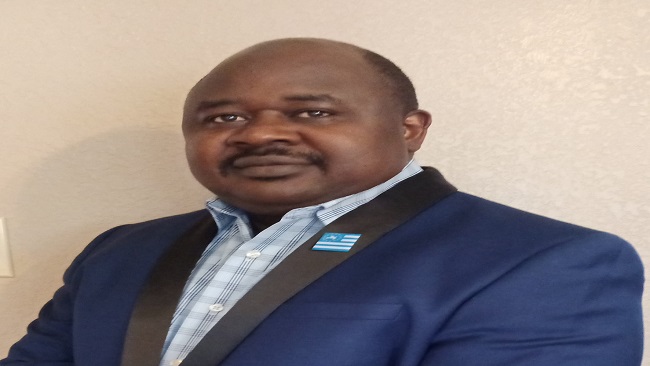
Bishop John Egyawan, a former US war veteran revealed that his department has men and women with solid personal achievements in the US and European armies and serious consultation is currently going on for the implementation of a new self defense strategy which will be centered on county-by-county.
The Southern Cameroons Homeland Security Chief also pointed out that some of the fighters not loyal to the Interim Government have transformed themselves into criminal gangs and are presently terrorizing the Ambazonian people which are counterproductive to the revolution. “All of these organizations – from senior commanders here in Europe and the US to the low-ranking soldiers – not under the Interim Government are indirectly helping the fighting spirit of the enemy,” John Egyawan said.
Asked about the way forward for the armed resistance, the Ambazonian Homeland Security Chief noted that his department has recommended Southern Cameroons Restoration Forces carry operations deep inside French Cameroun, asserting that the offensives would yield many benefits despite the risks associated with them.
Bishop John Egyawan added that Southern Cameroonians should keep the financial donations coming in as Acting President Ikome Sako has called for a proper positioning of Restoration forces units in the Northern Zone with the aim of subjugating the enemy.
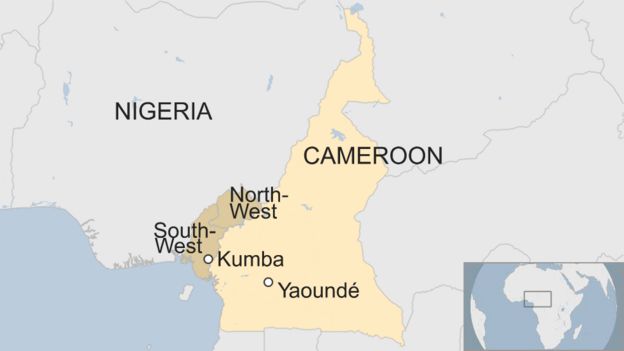
Meanwhile, Cameroon Intelligence Report has been reliably informed that the French Cameroun army is moving hundreds of combat forces and military equipment to the Lebialem County via Dschang in the Western Region of Francophone Cameroon. The recent activity of the Red Dragons of Lebialem in a way that surprised the enemy and destroyed its equipment has greatly damaged the French Cameroun military fighting morale.
By Rita Akana and Sama Ernest with additional reporting from Soter Agbaw-Ebai













29, November 2018
Ambazonian leaders risk death sentence following terrorism charges 0
Ten Cameroonian separatist leaders extradited from Nigeria earlier this year will face trial next month on terrorism charges that could lead to the death penalty, one of their lawyers said after a court hearing on Tuesday.
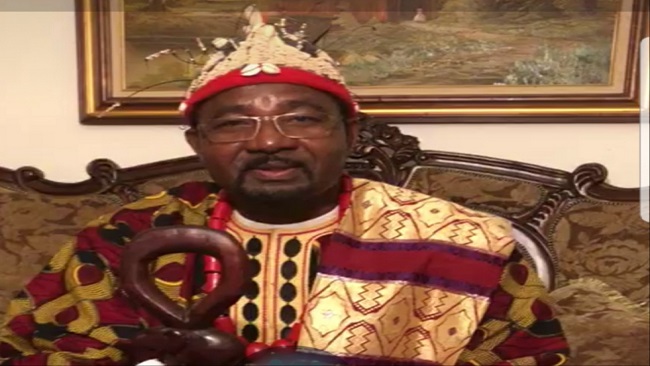
The accused include Julius Ayuk Tabe, the leader of an Anglophone separatist movement in western Cameroon fighting to break away from the Francophone-dominated central government.
Hundreds of people, including civilians, separatist fighters and Cameroonian security agents, have been killed in the past year’s violence, which has emerged as the most serious security threat to President Paul Biya, in power for 36 years.
“Ten charges have been brought against them, including terrorism, advocating terrorism, secession, civil war and revolution,” lawyer Christopher Ndong told Reuters after the charges were read out at the capital Yaounde’s military court.
The trial is scheduled to begin on Dec. 6, Ndong added.
Tabe and his co-defendants were among 47 Anglophone Cameroonians arrested in Nigeria and deported to Cameroon in January. The remaining 37 suspects are still being held by the authorities and have not been charged, said Ndong.
Cameroon’s government spokesman was not immediately available for comment.
A separatist insurgency gained pace in 2017 following a government crackdown on peaceful protests by Anglophones, who complain of being marginalized by the French-speaking majority.
Violence from both sides of the conflict intensified this year, forcing thousands of civilians to seek refuge in Francophone regions.
Biya, re-elected to a seventh term in October, said in his inauguration speech last month the separatists must lay down their arms or face the full force of the law. Cameroon regularly sentences people to death but has not carried out an execution in years.
Reuters