30, October 2018
American missionary killed in Bambui as Yaounde pushes to suck the US into Ambazonia war 0
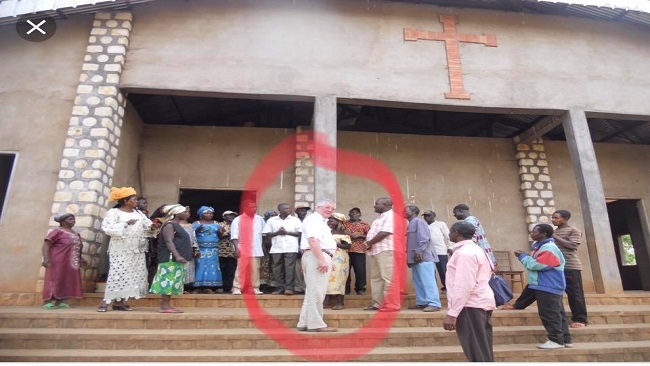
An American missionary who arrived Cameroon on the 18th of October 2018 with his wife and 8 children has been killed by forces loyal to the Biya Francophone regime. Charles Trumann Wesco was shot in Bambui some few kilometers from Bamenda the chief city in the Northern zone.
Cameroon Concord News sources revealed that the late Charles Truman did receive emergency treatment at Bambui and was referred to the Bamenda Regional Hospital but died from injuries sustained from gun shots aimed at him.
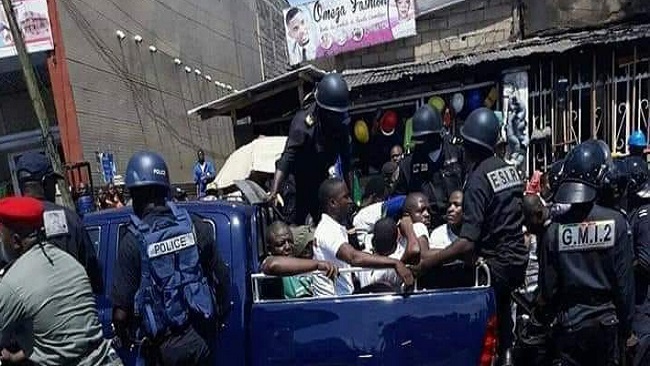
A District Medical Officer reportedly called for an ambulance from Bamenda this morning to transport a female student shot in the stomach by Cameroon government forces in Bambui but the rescue team were refused passage around Mile 6 Nkwen by Biya regime soldiers.
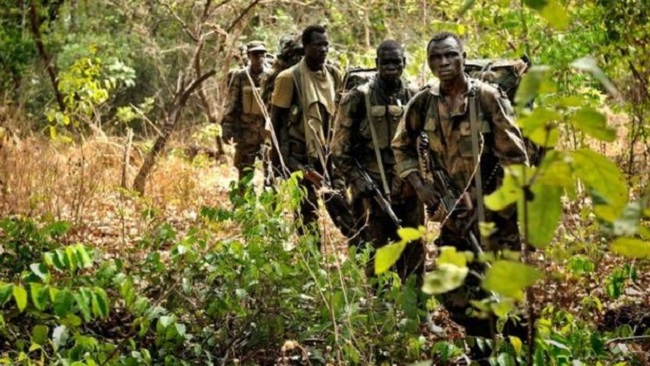
Our senior correspondent in Bamenda said there were civilian casualties in Bambili that could not be reached by the emergency team. We understand intense fighting is going on in Bambui and Bambili involving Ambazonian Restoration forces and Cameroon government troops.
By Asu Vera Eyere in Bambui
Now that you are here
The Cameroon Concord News Group Board wishes to inform its faithful readers that for more than a decade, it has been providing world-class reports of the situation in Southern Cameroons. The Board has been priding itself on its reports which have helped the world to gain a greater understanding of the crisis playing out in Southern Cameroons. It hails its reporters who have also helped the readers to have a broader perspective of the political situation in Cameroon.
The Board wishes to thank its readers who have continued to trust Southern Cameroon’s leading news platform. It is therefore using this opportunity to state that its reporters are willing to provide more quality information to the readers. However, due to the changing global financial context, the Board is urging its readers to play a significant role in the financing of the news organization. It is therefore calling on its faithful readers to make whatever financial contribution they can to ensure they get the latest developments in their native Southern Cameroons, in particular, and Cameroon in general.
Bank transaction: Soter Tarh Agbaw-Ebai
Banking IBAN: GB51 BARC 2049 1103 9130 15
Swift BIC BARC GB22XX
SORT CODE 20-49-11, ACCOUNT NUMBER – 03913015 Barclay PLC, UK
The Board looks forward to hearing from the readers.
Signed by the Group Chairman on behalf of the Board of Directors
Soter Tarh Agbaw-Ebai
Email: soteragbawebai@gmail.com












31, October 2018
Southern Cameroons: Headless corpse discovered in Moliwe Village 0
The beheaded body of a man has been discovered in the village of Moliwe on the outskirts of Limbe, Fako Division of the South West Region of Cameroon.
Passersby discovered the headless body of the man in the early hours of Monday, October 29, 2018, under unclear circumstances.
The man whose identities as at press Time emerged as Fonyuy Christopher was spotted dumped in a bush. How he died and the whereabouts of his head is what has left inhabitants of the village trapped in fear.
Narratives within the village sway in tandem with projection that the deceased might have been killed for ritual purposes since the head is nowhere to be found.
It is not known if the development is linked to the on-going crisis in the two English-speaking Regions of Cameroon. The situation becomes difficult to link with the crisis given that parts of the string of villages around Limbe have enjoyed some degree of calm since the crisis started.
Security officers who stormed the scene of the discovery same Monday have commenced probing into the gruesome act.
Source: The National Times
Now that you are here
The Cameroon Concord News Group Board wishes to inform its faithful readers that for more than a decade, it has been providing world-class reports of the situation in Southern Cameroons. The Board has been priding itself on its reports which have helped the world to gain a greater understanding of the crisis playing out in Southern Cameroons. It hails its reporters who have also helped the readers to have a broader perspective of the political situation in Cameroon.
The Board wishes to thank its readers who have continued to trust Southern Cameroon’s leading news platform. It is therefore using this opportunity to state that its reporters are willing to provide more quality information to the readers. However, due to the changing global financial context, the Board is urging its readers to play a significant role in the financing of the news organization. It is therefore calling on its faithful readers to make whatever financial contribution they can to ensure they get the latest developments in their native Southern Cameroons, in particular, and Cameroon in general.
Bank transaction: Soter Tarh Agbaw-Ebai
Banking IBAN: GB51 BARC 2049 1103 9130 15
Swift BIC BARC GB22XX
SORT CODE 20-49-11, ACCOUNT NUMBER – 03913015 Barclay PLC, UK
The Board looks forward to hearing from the readers.
Signed by the Group Chairman on behalf of the Board of Directors
Soter Tarh Agbaw-Ebai
Email: soteragbawebai@gmail.com