9, July 2020
Ambazonia homemade bombs hit positions deep in Yaounde 0
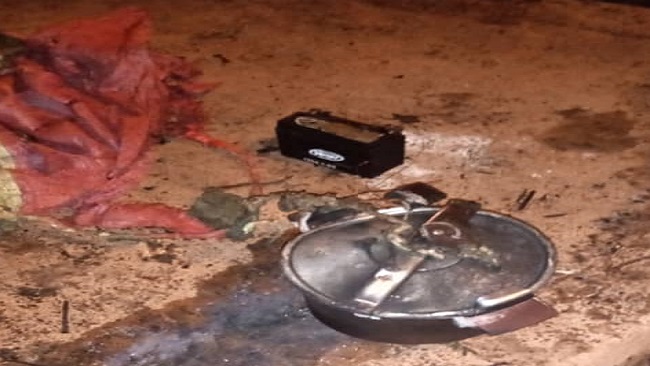
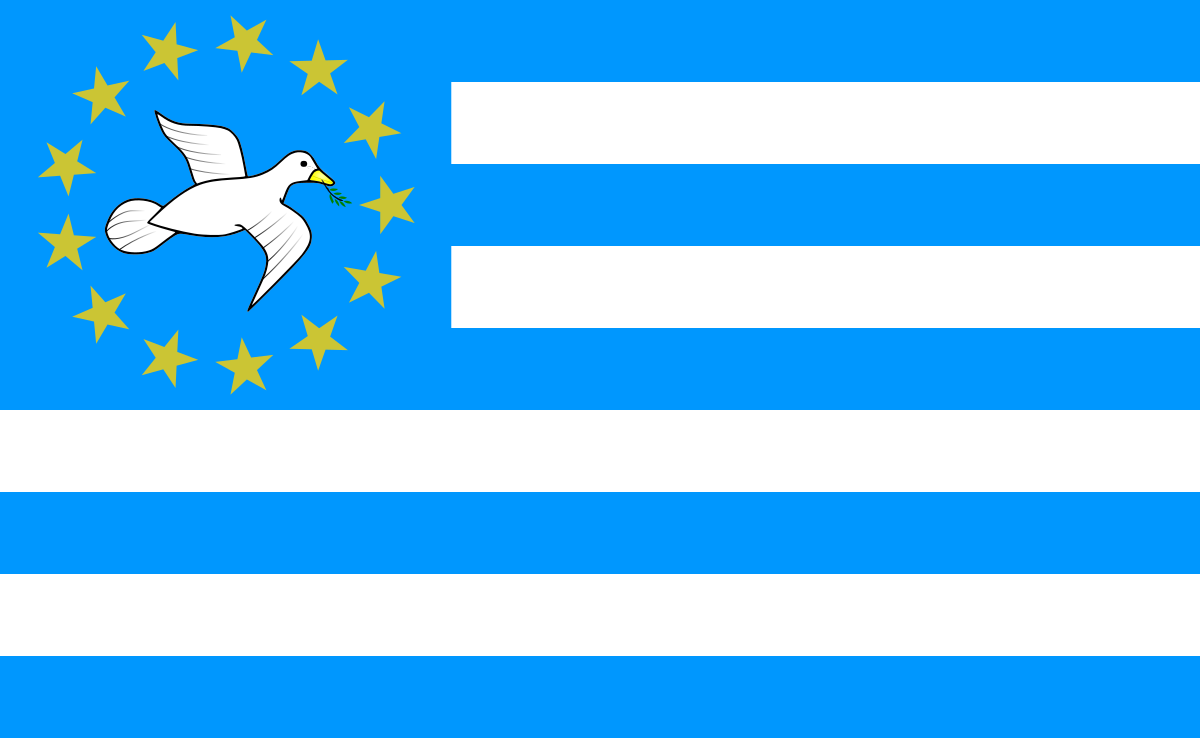
An unknown Southern Cameroons group says its homemade bombs have hit targets in Yaoundé, following warnings that retaliatory attacks would hit deep in French Cameroun territory if the Biya Francophone regime did not stop its aggression against Ambazonians.
A spokesman for Southern Cameroons’s Restoration Forces said in a statement that Ambazonian Self Defense groups have not conducted any operation inside French Cameroun. But an audio aired in pidgin said that Ambazonian fighters used locally made bombs in the Yaoundé operation.
The audio also emphasized that legitimate retaliatory attacks would continue as long as the Biya Francophone regime pressed ahead with their war in Southern Cameroons and that Ambazonia fighters will continue to target French Cameroun military installations that are spearheading the aggression against the people of Southern Cameroons.
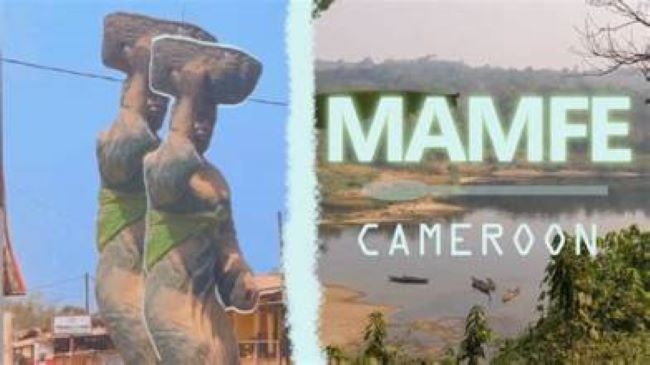
On July 1, 2020, French Cameroun’s Lieutenant Colonel Anaba was shot by unknown gunmen in Besongabang, a village some 3 km from Mamfe the chief town in Manyu County where there is a military barracks while he was celebrating his promotion. Lieutenant Colonel Anaba is currently in Douala where he is fighting for life in a military hospital.
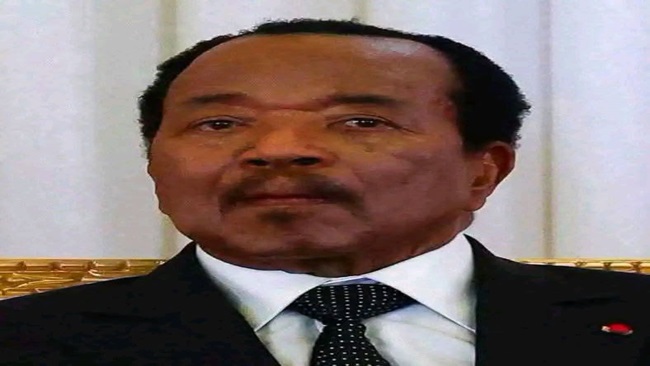
French Cameroun and its leader Paul Biya launched a devastating war on Southern Cameroons four years ago in an attempt to subdue an uprising that is clamouring for an independent state known as the Federal Republic of Ambazonia.
The UN estimates that the war has claimed more than 3,000 lives over the past four years.
By Isong Asu in London















9, July 2020
German Chancellor Merkel says Covid-19 has exposed the limits of ‘fact-denying populism’ 0
Chancellor Angela Merkel presented Germany’s priorities for its six-month term at the helm of the EU presidency on Wednesday, urging swift action to shore up economies in the wake of the coronavirus pandemic while underscoring that the crisis had exposed the limits of “fact-denying populism”.
The coronavirus pandemic is showing the limits of “fact-denying populism,” German Chancellor Angela Merkel told the European Parliament on Wednesday as she set out her country’s plans for its six-month presidency of the European Union.
Germany took over the task of chairing EU meetings on July 1 and faces the challenge of seeking a compromise on a coronavirus recovery fund for the 27-nation bloc as well as the EU’s budget for the next seven years as the continent faces up to the task of pulling out of a deep recession.
Merkel ‘has no illusions about how tough it will be’
“The depth of the economic decline demands that we hurry,” Merkel told lawmakers. “We must waste no time – only the weakest would suffer from that. I very much hope that we can reach an agreement this summer. That will require a lot of readiness to compromise from all sides – and from you too.”
“We must not be naive: In many member states, opponents of Europe are just waiting to misuse the crisis for their ends,” she said. “We must show them all where the added value of cooperation in the European Union lies. We must show that a return to nationalism means not more, but less control.”
Without explicitly naming any countries or politicians, Merkel pointed to cautionary examples elsewhere.
“We are seeing at the moment that the pandemic can’t be fought with lies and disinformation, and neither can it be with hatred and agitation,” she said.
“Fact-denying populism is being shown its limits,” she added to applause. “In a democracy, facts and transparency are needed. That distinguishes Europe, and Germany will stand up for it during its presidency.”
Merkel and French President Emmanuel Macron in May proposed creating a one-time 500 billion-euro ($563 billion) recovery fund that would be filled through shared EU borrowing. That is a big step for Germany, breaking with its long-standing opposition to any kind of joint borrowing.
The EU’s executive Commission expanded on the proposal, putting forward plans for a 750 billion-euro fund made up mostly of grants. It faces resistance from countries dubbed the “Frugal Four” – Austria, Denmark, the Netherlands and Sweden – that oppose grants and are reluctant to give money away without strings attached.
“It is right and important for the regions particularly hard hit by the crisis, and above all the people who live there, to be able to count on our solidarity,” Merkel said Wednesday. “It is in our very own interests – but at the same time, that also means the effort that is necessary for the good of all must not overburden the economically strong member states in a one-sided way.”
Source: AP