16, June 2020
Yaounde under pressure as international community calls for investigation into Wazizi’s death 0
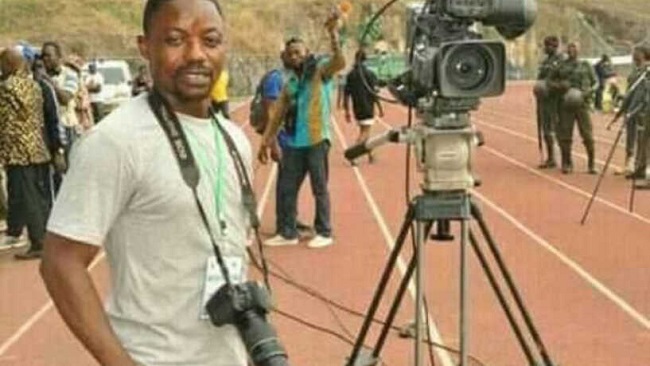
Several countries have expressed concern about the death of Cameroonian journalist Samuel Wazizi while in military custody.
The concerns were raised at the United Nations Security Council meeting on Cameroon and the Central African subregion last weekend.
The government of Cameroon has been urged to immediately investigate the circumstances leading to the death of the 36-year-old journalist and bring the culprit to book.
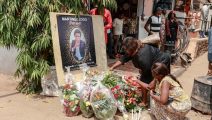
Wazizi died 10 months ago, but this information was only made public earlier this month. He was arrested by police on August 3, 2019, in a suburb in the conflict-ridden south-west region of the country.
He was transferred to military custody on August 7, then ferried to the capital Yaoundé six days later, Cameroon’s military spokesperson Colonel Cyrille Serge Atonfack Guemo said. Wazizi arrived in Yaoundé feeling feverish and died on August 17 due to an infection, the military said.
Local and international organisations have also called for an impartial probe, saying that the UN Security Council members should urge accountability for the death of the journalist when it is briefed on the situation in Cameroon at their meeting with the UN Regional Office for Central Africa (UNOCA).
The United States Mission to the UN also called for an independent investigation into Wazizi’s death and called attention to the conflict in Cameroon, which according to the UN Refugee Agency(UNHCR) has displaced more than 600,000 people.
“The US also calls attention to the conflict in Cameroon, which @Refugees reports has displaced nearly 680K people. We are deeply concerned by the death of journalist Samuel Wazizi while in Cameroonian military detention and call for an independent investigation,” the US Mission wrote on Twitter.
For its part, the German Mission to Cameroon focused on the impact of the conflict on the subregion while calling for accountability in Wazizi’s death as well as respect for human life.
“The situation in #Cameroon and its negative impact on Central Africa remain of particular concern. On the death of journalist #SamuelWazizi in detention, Germany urgently calls for accountability, respect for human rights and freedom of the press,” a tweet from the German Mission to the UN read.
Wazizi worked as a journalist at the privately owned broadcaster Chillen Muzik and TV (CMTV) in Buea, south-west region.
Source: IOL.Co















16, June 2020
Federal Republic of Ambazonia: Leader, top aides back in French Cameroun court 0
The Nera 10 substantive Appeal matter comes up this Thursday June 18th, 2020 in the court hall of the Appeal court of the Centre Region