
17, April 2019
Human Rights Watch calls for arrests in South Africa after attacks on foreigners 0
Human Rights Watch (HRW) has urged South African authorities to prosecute the perpetrators of deadly xenophobic violence that displaced some 300 Malawi migrants three weeks ago but has yielded no arrests.
From March 25 to 27, mobs armed with metal rods and machetes broke into the homes of foreigners in Durban on South Africa’s east coast, chasing them out and looting their belongings, HRW said.
The UN High Commissioner for Refugees (UNHCR) has said at least six foreign nationals were killed and several injured, raising fears of a resurgence of xenophobic bloodshed in a country where poor, jobless people accuse migrants of taking their work and benefits.
About 88 survivors of the Durban attacks asked to be sent back to Malawi as they felt unsafe, according to representatives of the Malawi High Commission.
Others had no choice but to return to the same informal settlement they had been violently chased out of.
“Re-integration of foreign nationals into communities without justice and accountability for past xenophobic attacks is a recipe for disaster,” said HRW’s southern Africa director Dewa Mavhinga.
“To deter those who attack foreign nationals, there is an urgent need for effective policing, arrests, and prosecutions.”
The lack of arrests showed “impunity for xenophobic crimes,” said the rights watchdog.
Widespread condemnation of the violence prompted emergency talks between South Africa’s foreign and police ministers, Lindiwe Sisulu and Bheki Cele, and diplomats of African countries.

HRW also urged politicians to refrain from statements that “scapegoat migrants and feed anti-foreigner violence,” ahead of May 8 general elections.
It cited remarks by President Cyril Ramaphosa at a party rally in March, when he “blamed undocumented migrants for problems and promised a crackdown.”
The country hosts millions of foreigners, most from African countries and many undocumented.
Immigrants bear much of the anger about chronic unemployment and limited economic gains made by poor black people since white-minority rule ended in 1994.
Violence erupts sporadically, targeting foreign-owned shops and migrants themselves.
Sixty-two people were killed in a wave of xenophobic violence in 2008, and at least seven in a fresh outburst in 2015.
(Source: AFP)




















18, April 2019
Yaounde, Abuja discuss return of 4,000 Nigerian refugees 0
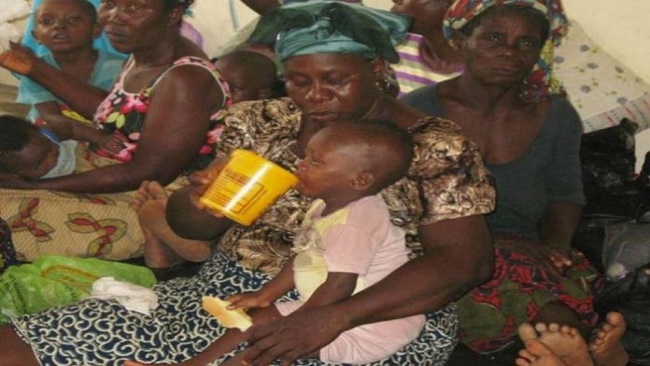
Cameroon officials said Wednesday they are concluding arrangements with neighboring Nigeria for the return of 4,000 Nigerian refugees to their country by April 29.
The refugees from Minawao camp, the only official refugee camp in Cameroon’s Far North region, voluntarily opted to return home, according to the region’s governor Midjiyawa Bakari.
“We have agreed with the Nigeria government that 4,000 refugees from Adamawa state in Nigeria will be returned. They are the first ones to return but the process will continue after that. They will return by air. Cameroon will provide the security from the refugee camp to the airport,” Bakari told reporters.
“We (Nigeria and Cameroon) are discussing how we will do with their children that have been going to school here and the property they have obtained here,” he added.
The majority of the refugees at the camp are from Borno state in Nigeria but only those from Adamawa asked to be taken home because “there is calm and security” there, officials said.
In early April, Cameroon assisted 40,000 out of about 60,000 Nigerians who fled into Cameroon before Nigeria’s February elections to return home.
According to the UN, Minawao camp hosts over 57,000 Nigerian refugees who fled from the atrocities of terror group Boko Haram.
Source: Xinhuanet