
25, January 2019
UN says Cameroon today can no longer be a forgotten crisis 0
Around 4.3 million Cameroonians, mostly women and children, are now in need of lifesaving assistance, the UN announced on Thursday, presenting it’s 2019 Humanitarian Response Plan for the West African country, in coordination with the Government and aid partners. UN Resident and Humanitarian Coordinator for Cameroon, Ms. Allegra Baiocchi, and Cameroon’s Civil Protection Director, Ms. Yap Mariatou, warned at the launch in Geneva, that the was a drastic increase in humanitarian need across the country.
Cameroon today can no longer be a forgotten crisis; it needs to be high on our agenda – UN Humanitarian Coordinator, Allegra Baiocchi
“Hundreds of thousands of people on Cameroon’s territory need urgent assistance and protection,” Ms. Baiocchi said, adding that “attacks against civilians have increased and many conflict-affected people are surviving in harsh conditions without humanitarian assistance due to the dramatic underfunding of the response. Cameroon today can no longer be a forgotten crisis; it needs to be high on our agenda.”
With needs rising by 31 per cent in a year, the UN today estimates that around 4.3 million people in Cameroon – one in six people and mostly women and children – require lifesaving assistance. The joint Humanitarian Response Plan 2019 seeks $299 million to assist 2.3 million vulnerable people, more than half of those in need. Last year, a $320 million response plan for Cameroon was only 40 per cent funded.
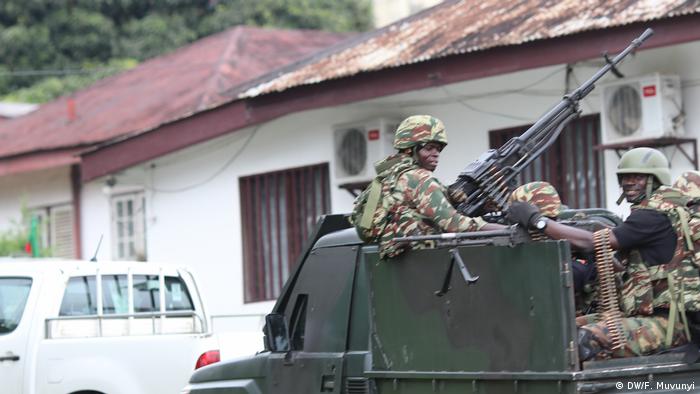
The aggravation of the conflict in western regions is the main driver behind the increase, with armed attacks in the far north, and new refugees coming from the Central African Republic also increasing demand for urgent aid. Insecurity and violence in these regions have uprooted 437,000 people from their homes and forced over 32,000 to seek refuge in neighbouring Nigeria. Four million people are affected by the conflict in Cameroon’s west, says the UN. In addition, due to the deteriorating situation in northeast Nigeria, more than 10,000 new refugees arrived in Cameroon in 2018, bringing the number of Nigerian refugees to 100,000.
Needs ‘likely to increase in coming years’
“The Government of Cameroon is responsible for the protection and wellbeing of its people and has been at the forefront of the response with its national and international partners,” added Ms. Yap Mariatou. “We acknowledge the scale of the different crises we face, and we encourage all the actors to work in close partnership to address the needs of Cameroonians and of the people we host.” “Humanitarian needs are likely to increase in coming years,” said Ms. Baiocchi, adding that budgets had failed in increase adequately in recent years. “Underfunding means we cannot do all we can to make a difference in the life of most vulnerable people across Cameroon, whether it is the girl who is missing school due to violence, the displaced mother struggling to feed her children, or the father who has lost his entire family.”
















25, January 2019
Biya Regime Struggles to Aid IDPs in Southern Cameroons 0
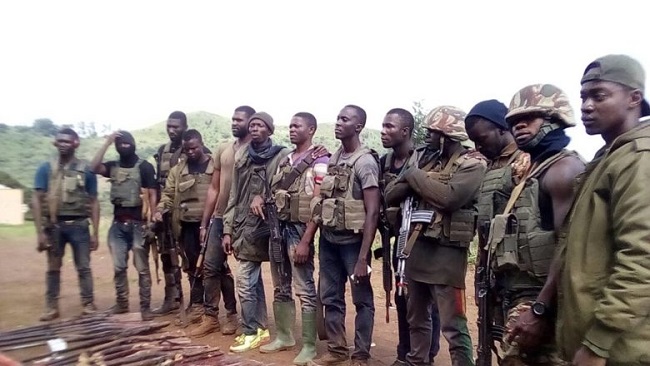
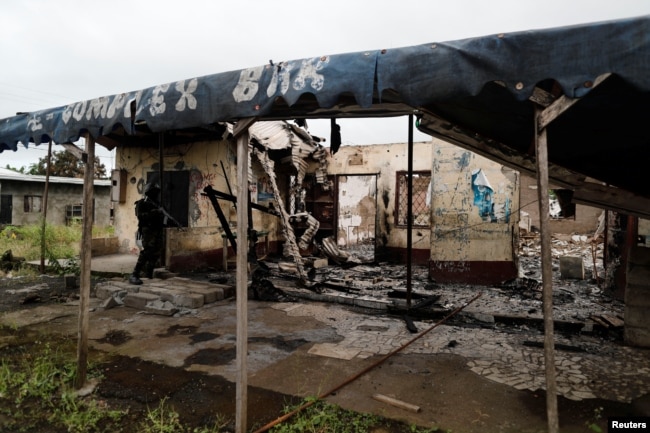
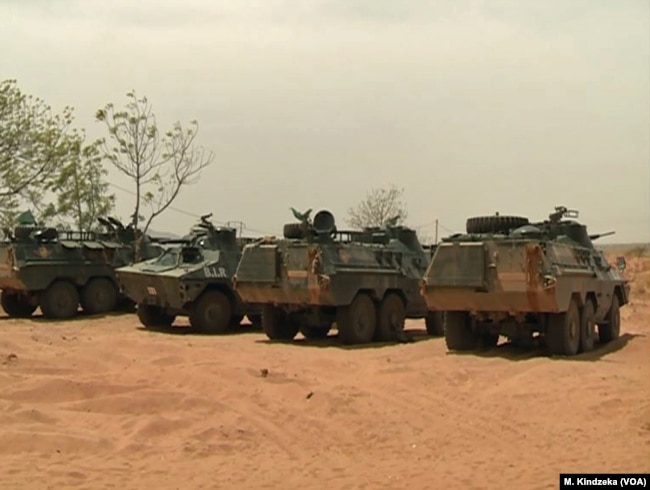
Cameroon is struggling to get humanitarian aid to hundreds of thousands of people who fled areas of separatist unrest, some of them trapped by the fighting. Meanwhile, authorities’ calls for separatists to disarm and be pardoned are failing as rehabilitation centers remain empty.
A group of twelve kids gather water in the early morning hours in Cameroon’s capital.
Forty-five-year old Gwendoline Ndum took in the children a few weeks ago after they fled her home town of Mbengwi.
Many of the kids had walked for days in the bush to escape fighting between Cameroon security and anglophone separatists.
Ndum says some of the children can’t find their parents, and she couldn’t let them live on the streets, but the burden is becoming too much.
She says she can no longer afford to pay the water and electricity bills or buy chicken, meat or fish. A 50-kilogram bag of rice hardly lasts for two weeks, says Ndum, because they eat only rice for breakfast, lunch and dinner.
Cameroon’s government this week said it was assisting more than 60,000 internally displaced people in the separatist areas – the English-speaking northwest and southwest.
But the United Nations estimates that over 430,000 people have been displaced by the conflict.
Cameroon authorities say they are unable to reach most of the displaced in need because many have fled to remote areas and are trapped by ongoing fighting.
Most independent help is limited to government-controlled areas.
A woman prays for peace as about a hundred displaced people help the aid group Voice of the Voiceless collect donations of food, clothing, and bedding.
The group’s Christian Chindo Ngong says the displaced are helping each other because they know what it’s like to have nothing. He says Cameroon’s government must also do more to help – it should end the conflict.
“The government should listen to the people, organize a dialogue, I mean an inclusive dialogue, so that we can see the end of this thing. Because no matter what we give the people, it can never make them happy. The only happiness that these people can achieve is to see their homes again.”
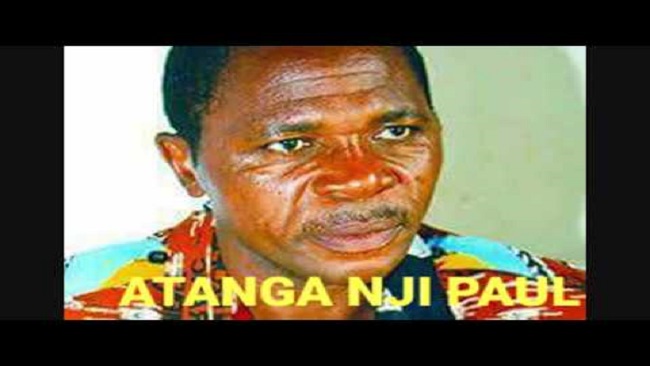
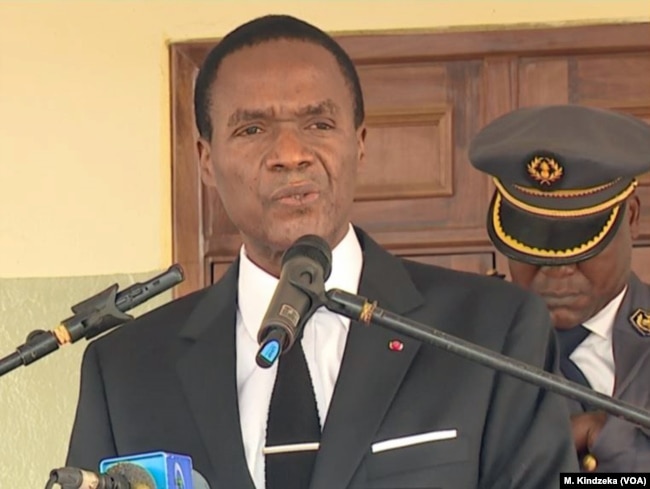
Minister of Territorial Administration Paul Atanga Nji says rehabilitation centers set up for separatists who agree to disarm and be pardoned had opened their doors and were waiting.
“We have to respect the instructions from President Paul Biya that when you lay down your weapons, you are taken to the centers, you are provided health facilities, you have psychologists who are there to start educating the population, and we have training facilities in those centers.”
But so far, not a single rebel has taken up the offer. The rehabilitation centers in the English-speaking southwestern town of Buea and in the capital Yaounde are empty.
In a WhatsApp interview with VOA, separatist fighter Edward Ngafin – who refused to say where he was – described the rehab centers as a trap.
He says he will not go to a government rehabilitation center and can never advise any separatist fighter to listen to any promise made by the government of Cameroon. Ngafin says he does not understand how a government that he describes as always tormenting English-speakers will suddenly claim that it cares and that it will recruit everyone.
Cameroon’s separatist conflict broke out in 2017 amid protests against Francophone domination in English-speaking regions. Some took up arms and declared they would become an independent nation called Ambazonia.
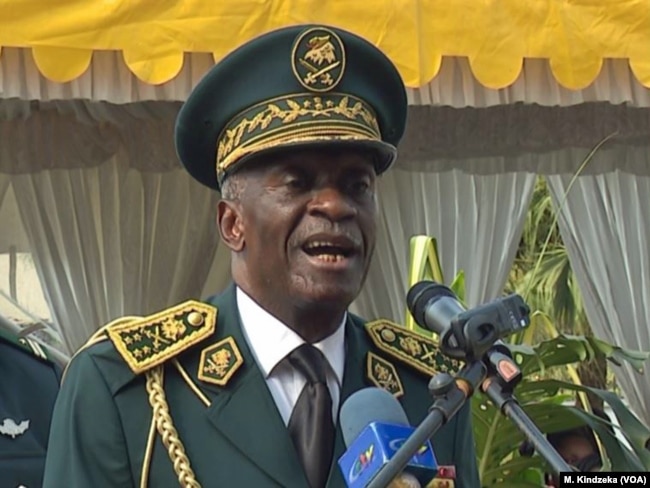
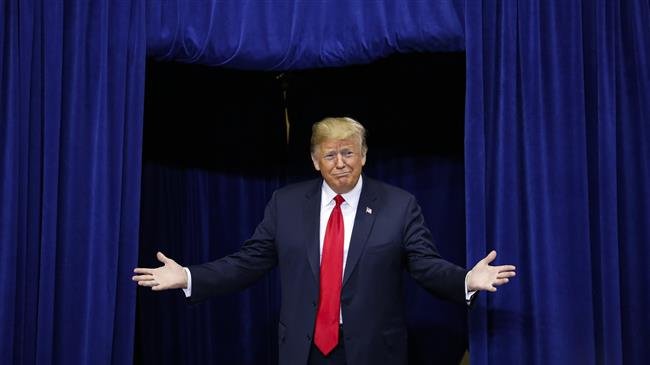
President Biya sent in the military and vowed to crush all those who refuse to disarm, saying the country’s unity cannot be negotiated.
VOA