25, January 2019
Biya Regime Struggles to Aid IDPs in Southern Cameroons 0
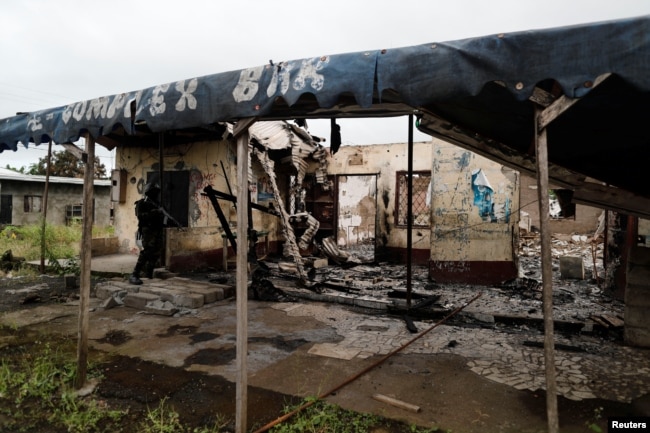
Cameroon is struggling to get humanitarian aid to hundreds of thousands of people who fled areas of separatist unrest, some of them trapped by the fighting. Meanwhile, authorities’ calls for separatists to disarm and be pardoned are failing as rehabilitation centers remain empty.
A group of twelve kids gather water in the early morning hours in Cameroon’s capital.
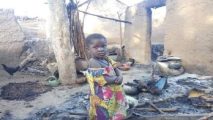
Forty-five-year old Gwendoline Ndum took in the children a few weeks ago after they fled her home town of Mbengwi.
Many of the kids had walked for days in the bush to escape fighting between Cameroon security and anglophone separatists.
Ndum says some of the children can’t find their parents, and she couldn’t let them live on the streets, but the burden is becoming too much.
She says she can no longer afford to pay the water and electricity bills or buy chicken, meat or fish. A 50-kilogram bag of rice hardly lasts for two weeks, says Ndum, because they eat only rice for breakfast, lunch and dinner.
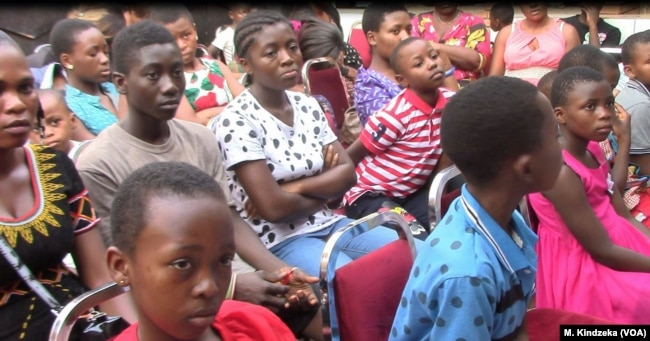
Cameroon’s government this week said it was assisting more than 60,000 internally displaced people in the separatist areas – the English-speaking northwest and southwest.
But the United Nations estimates that over 430,000 people have been displaced by the conflict.
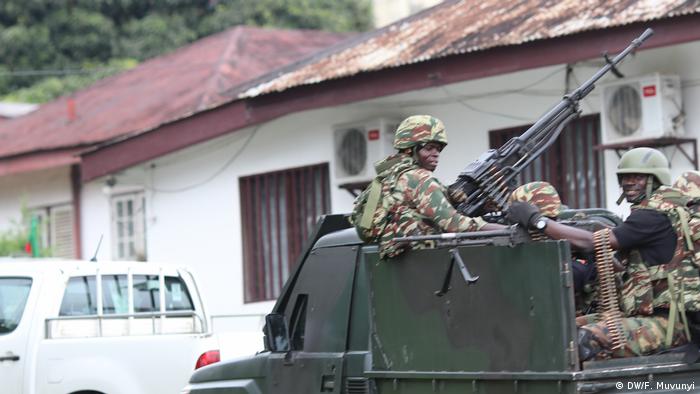
Cameroon authorities say they are unable to reach most of the displaced in need because many have fled to remote areas and are trapped by ongoing fighting.
Most independent help is limited to government-controlled areas.
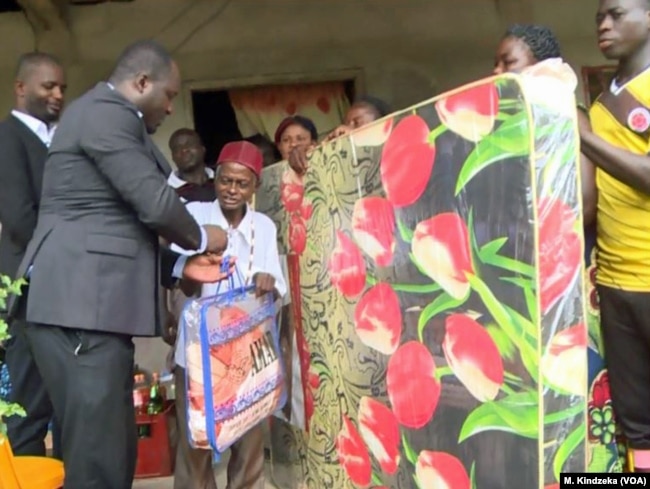
A woman prays for peace as about a hundred displaced people help the aid group Voice of the Voiceless collect donations of food, clothing, and bedding.
The group’s Christian Chindo Ngong says the displaced are helping each other because they know what it’s like to have nothing. He says Cameroon’s government must also do more to help – it should end the conflict.
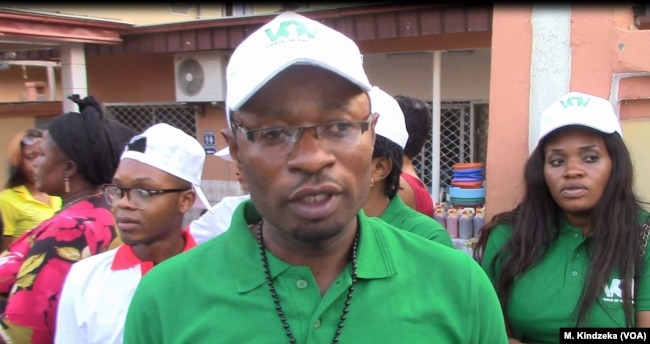
“The government should listen to the people, organize a dialogue, I mean an inclusive dialogue, so that we can see the end of this thing. Because no matter what we give the people, it can never make them happy. The only happiness that these people can achieve is to see their homes again.”
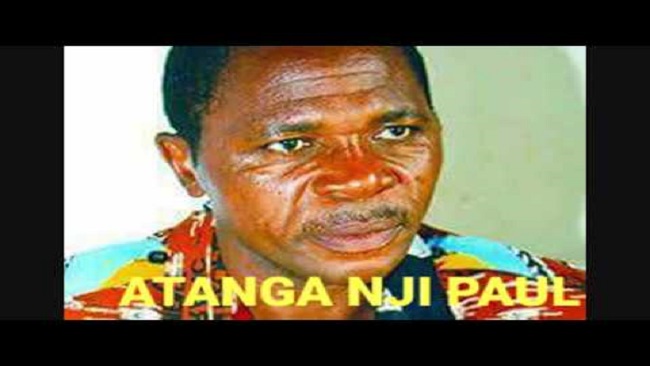
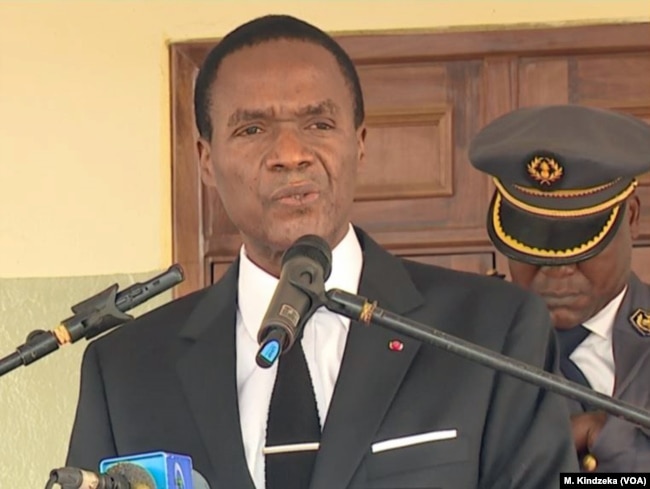
Minister of Territorial Administration Paul Atanga Nji says rehabilitation centers set up for separatists who agree to disarm and be pardoned had opened their doors and were waiting.
“We have to respect the instructions from President Paul Biya that when you lay down your weapons, you are taken to the centers, you are provided health facilities, you have psychologists who are there to start educating the population, and we have training facilities in those centers.”
But so far, not a single rebel has taken up the offer. The rehabilitation centers in the English-speaking southwestern town of Buea and in the capital Yaounde are empty.
In a WhatsApp interview with VOA, separatist fighter Edward Ngafin – who refused to say where he was – described the rehab centers as a trap.
He says he will not go to a government rehabilitation center and can never advise any separatist fighter to listen to any promise made by the government of Cameroon. Ngafin says he does not understand how a government that he describes as always tormenting English-speakers will suddenly claim that it cares and that it will recruit everyone.
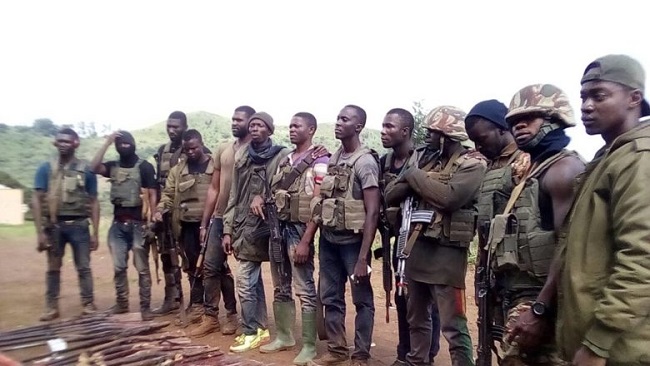
Cameroon’s separatist conflict broke out in 2017 amid protests against Francophone domination in English-speaking regions. Some took up arms and declared they would become an independent nation called Ambazonia.
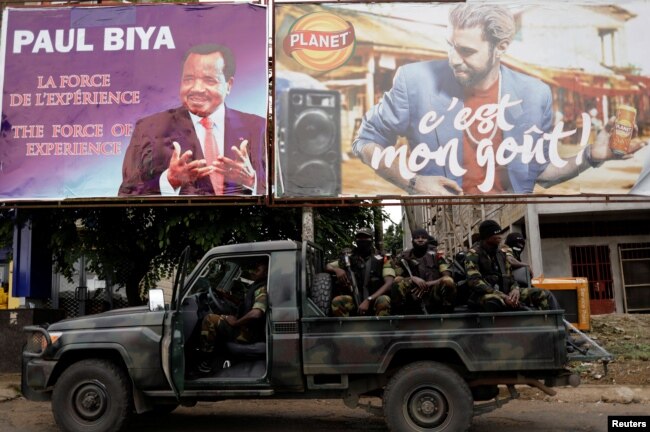
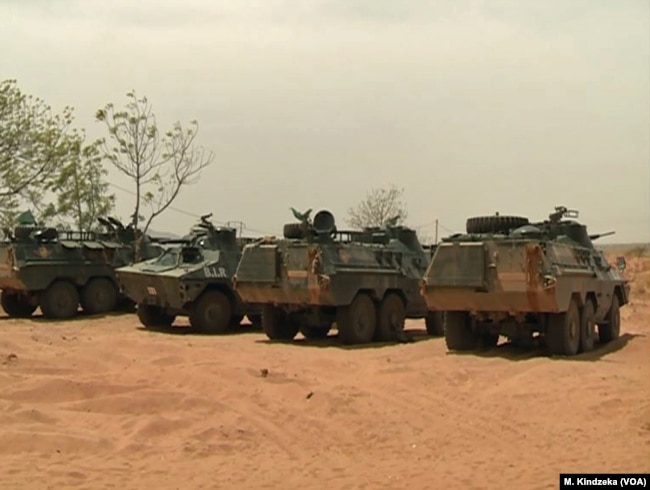
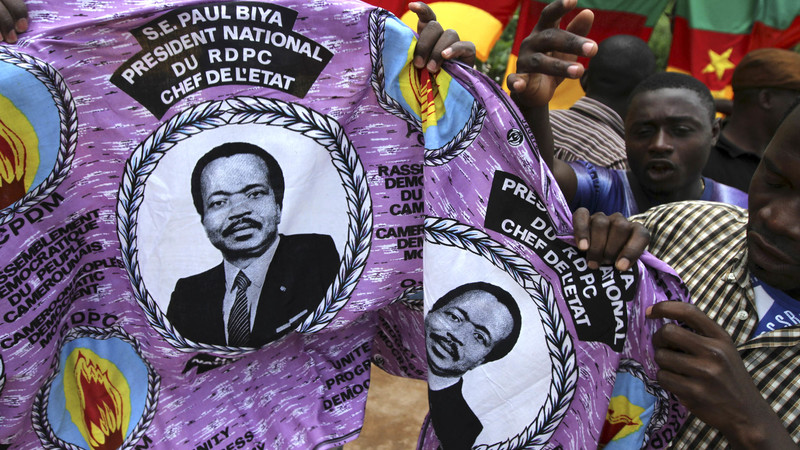
President Biya sent in the military and vowed to crush all those who refuse to disarm, saying the country’s unity cannot be negotiated.
VOA














26, January 2019
Southern Cameroons War Crimes Tribunal Issues List of War Crimes Suspects 0
The Southern Cameroons Special Tribunal Coordination Committee (SCSTCC) has announced an initial list of war crimes suspects including two Cameroonian government military units implicated in war crimes and torture of civilians. The list is a work in progress and the allegations are not yet proven though in many cases video, eyewitness evidence and the public statements of the suspects strongly implicates some of the accused in conceiving, ordering and carrying out atrocities against Southern Cameroonian civilians and Amabazonian self defense units.
The Special Tribunal Committee has received a mandate from several Ambazonian organizations and their supporters to collect evidence, carry out investigations, and prosecute using any and all means possible including the national courts of third countries and international tribunals. The Special Tribunal Committee will also contact other national war crimes units with their findings and will seek visa bans and sanctions on implicated individuals and organizations.
The initial backers of the Special Tribunal include the Southern Cameroons National Council (SCNC), the Southern Cameroons Defense Force (SOCADEF), the Ambazonia Governing Council (AGC), the African Peoples Liberation Movement (APLM), the Organization of Emerging African States (OEAS) and the Cameroon Anglophone Civil Society Consortium. Dr. Jonathan Levy, an international lawyer specializing in human rights was appointed Chief Coordinator of the Tribunal and has been joined by two prominent African barristers.
According to Dr. Levy, the Special Tribunal’s immediate mission is to use existing courts and procedures to investigate and prosecute war crimes: “We need to bring legal actions quickly to prevent further atrocities. We also encourage other interested groups to do the same regardless whether they work with us or not. Our immediate goal is deterrence and that will only be effective if war criminals see demonstrable proof they will be held accountable for their crimes.”
The Southern Cameroons Special Tribunal Coordination Committee (SCSTCC) initial list of war crimes suspects are as follows:
President and Commander-in-Chief Paul Biya
Former Prime Minister & Deputy Commander-in-Chief Philemon Yang
Prime Minister & Deputy Commander-in Chief-Joseph Ngute
Minister of Defense Joseph Beti Assomo
Deputy Minister of Defense René Claude Meka
Major-General Nkoa Atenga
Secretary of State in charge of the National Gendarmeris, Galax Yves Landry Etoga
Gov. Adolphe Lele Afrique
Gov. Bernard Okalia Bilai
Senior Divisional Officer for Fako, Engamba Emmanuel Ledoux.
Senior Divisional Officer for Koupé Manengouba: Keyantcho Augustin.
Senior Divisional Officer for Lebialem: Ungitoh Zachry
Senior Divisional Officer for Manyu: Oum II Joseph
Senior Divisional Officer for Boyo: Tegni Fidèle.
Senior Divisional Officer for Bui: Mooh Emile Simon.
Senior Divisional Officer for Donga Mantung: Nkwenti Simon Doh.
Senior Divisional Officer for Menchum: Kamga Charles
Senior Divisional Officer for Ngoketunjia: Emvoutou Mbita Benoît William
Battalion D’intervention Rapide (BIR)
General Directorate of External Research (Direction Générale de la Recherche Extérieure, (DGRE)
General Elokobi Daniel Njock
Brigadier General Agha Robinson
Colonel Didier Badjeck
Minister of Communications, Issa Tchiroma
Minister of Territorial Administration, Atanga Nji Paul
Chief of National Police, Martin Mbarga Nguele
The Mayor of Buea, Patrick Ekema Esunge