6, January 2019
US: Pentagon chief of staff quits after Mattis 0
The US Department of Defense’s chief of staff, Rear Admiral Kevin Sweeney, has quit his post in the wake of his boss’s resignation.
Sweeney released a statement not long after a resignations was submitted by Secretary of Defense James Mattis.
Mattis’s former deputy, Patrick Shanahan, began serving as acting Defense secretary at the beginning of January.
“After two years in the Pentagon, I’ve decided the time is right to return to the private sector. It has been an honor to serve again alongside the men and women of the Department of Defense,” he said.

Before him, Pentagon spokeswoman Dana White had announced her resignation at the end of December.
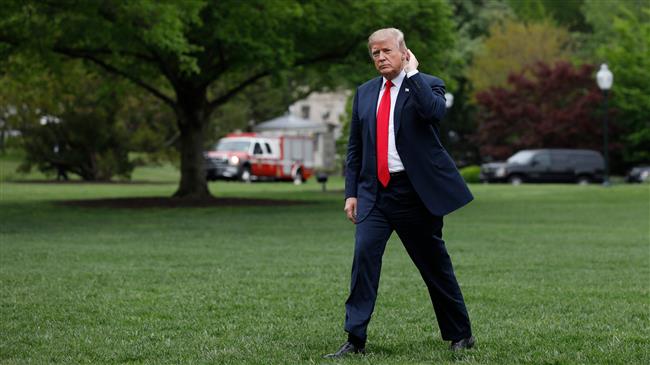
The US president pushed James Mattis out of his post after disagreement over Trump’s decision to end the US military presence in Syria and scale it back in Afghanistan, making Trump further isolated at helm.
Before leaving Pentagon, Mattis ordered withdrawal of an estimated 2,200 US forces from Syria.

Mattis submitted his letter of resignation after he failed to convince the president that the US military presence in Syria is associated with maintaining critical alliances and partnerships.
The long list of dismissals and resignations in the Trump administration reveals the chaotic play of power inside the White House.
Source: Presstv
















7, January 2019
Malaysia: King abdicates after two years on the throne 0
Malaysia’s king abdicated on Sunday in a historic first for the country that ended weeks of speculation about his future after he took medical leave and reportedly married a Russian ex-beauty queen. Sultan Muhammad V’s decision marks the first time a king has stepped aside during his five-year term in Muslim-majority Malaysia.
The national palace confirmed the resignation with immediate effect of the 49-year-old, who had been on the throne for two years and was known for his fondness for four-wheel driving and other extreme sports.
“His majesty tells the people of Malaysia to continue to be united to maintain unity, tolerance, and work together,” said a statement from the Comptroller of the Royal Household, Wan Ahmad Dahlan Abdul Aziz.
Malaysia’s Islamic rulers will now meet to decide on the next king. Malaysia is a constitutional monarchy, with a unique arrangement where the throne changes hands every five years between rulers of the nine Malaysian states headed by centuries-old Islamic royalty.
The system has been in place since independence from Britain in 1957. Royal officials gave no reason for Sultan Muhammad V’s move but there had been a question mark over the king’s reign since he went on leave for medical treatment in November.
Secret marriage?
Reports in British and Russian media then surfaced saying that he had married the former Miss Moscow in the Russian capital in a lavish ceremony.
Royal officials in Malaysia have so far not commented on the rumoured marriage, or given any details about the state of the king’s health.
Speculation intensified about the king’s future after his medical leave officially finished at the end of December, and the country’s Islamic royals reportedly held a special meeting last week.
While their role is ceremonial, Malaysia’s Islamic royalty command great respect, especially from Muslim Malays, and criticising them is strictly forbidden.
Sultan Muhammad V studied at St Cross College at Oxford and the Oxford Centre for Islamic Studies, according to official media. He is known for a relaxed public persona, taking part in walkathons to promote health, and has been photographed wearing a baseball cap backwards.
According to a report from official news agency Bernama at the time of his enthronement, he “fills his free time by reading and has an interest in extreme sports such as four-wheel drive expeditions and endurance challenges and shooting”.
He is also the ceremonial ruler of the conservative Islamic northern state of Kelantan. The palace statement said he was “ready to return home to the state of Kelantan to be together with the state government and… the Kelantanese people”.
(AFP)