28, July 2026
Paul Biya’s 50 Days in Switzerland: The long goodbye to an era 0
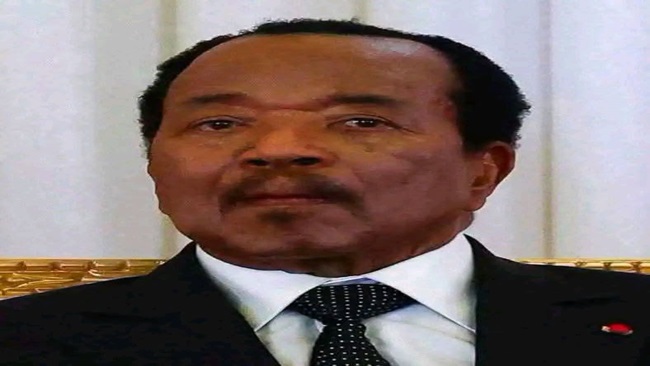
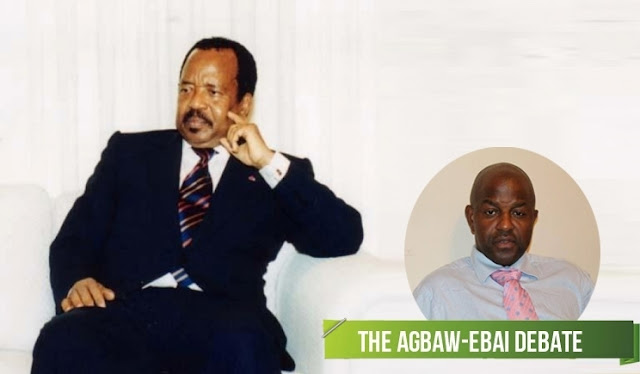
For more than four decades, President Paul Biya has defied predictions of his political demise. He has outlasted rivals, survived crises and maintained an iron grip on Cameroon through a system built on centralized authority and carefully managed succession. Yet politics is often defined not by dramatic events, but by prolonged absences that expose uncomfortable realities. Biya’s record 50-day stay in Switzerland is one such moment.
Whether the official explanations are accepted or not by the people of Cameroon, the extraordinary length of Biya’s absence has inevitably fueled questions about his health, his ability to govern and the future of the Cameroonian state. In any functioning democracy, such questions would be answered with transparency. Instead, Cameroonians have been left with rumors, speculation and official denials from Biya acolytes that have done little to dispel uncertainty.
The issue is no longer simply where President Biya is. The issue is what his prolonged absence says about the state of power in Cameroon.
For decades, Biya’s authority rested on the perception that he alone embodied the state. That image becomes increasingly difficult to sustain when the country’s leader spends weeks away from the seat of government while critical national decisions continue to accumulate. Even if the machinery of government continues to function, prolonged physical absence inevitably raises doubts about who is truly making decisions and how power is being exercised behind closed doors.
History shows that the twilight of long-serving leaders is often marked not by a formal resignation, but by a gradual erosion of their political presence. Authority shifts quietly before power changes hands officially. Ministers become more cautious. Political allies begin calculating the future. Ambitious successors position themselves discreetly. The conversation moves from loyalty to succession. Cameroon increasingly appears to be entering that phase.
The government’s insistence that everything is normal has not prevented widespread speculation. If anything, the absence of clear communication has amplified it. In the age of instant information, silence rarely reassures. Instead, it creates space for competing narratives that undermine public confidence.
No one outside the president’s closest circle can state with certainty the full circumstances surrounding his stay in Switzerland. It is therefore important to distinguish between verified facts and speculation. But one fact is undeniable: a president who has remained away from his country for an unprecedented period inevitably invites questions about continuity, governance and succession.
For a leader who has ruled Cameroon for more than four decades, this may well be remembered as the moment when the country collectively began contemplating the post-Biya era—not because an official announcement was made but because events spoke louder than words.
Political endings rarely arrive with fanfare. They emerge gradually, as confidence fades, uncertainty grows and the symbolism of power begins to outweigh its exercise. Biya’s prolonged stay abroad has become more than a personal matter; it has become a national political event.
Whether President Paul Biya ultimately returns to Yaoundé or not, his record stay in Switzerland may come to symbolize the beginning of the end of one of Africa’s longest presidential tenures. The transition may not happen today or even this year, but the aura of permanence that once surrounded his rule appears increasingly fragile.
For Cameroon, the more pressing question is no longer whether the Biya era will end. It is whether the country is prepared for what comes after.
By Soter Tarh Agbaw-Ebai















30, July 2026
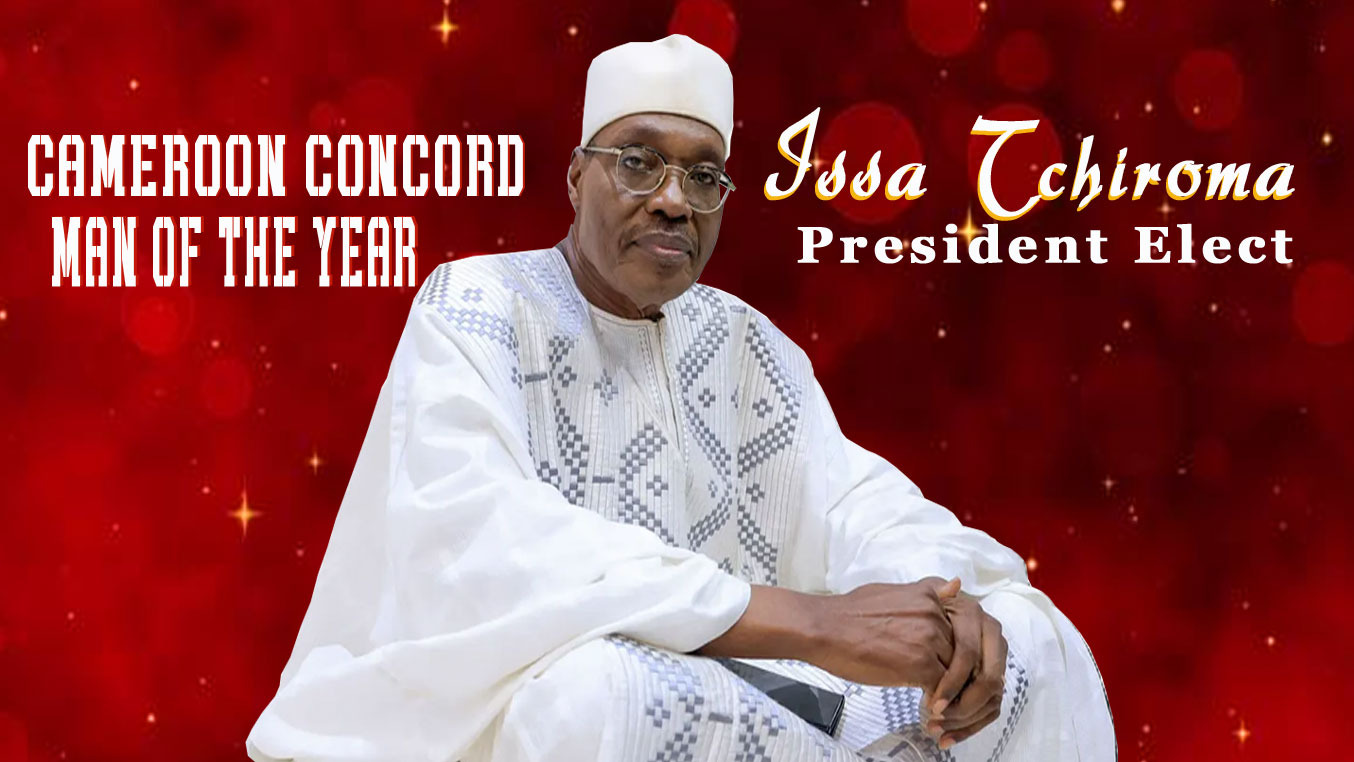
Tchiroma, Akere, Kamto: an opposition that still cannot seize the moment 0
More than 50 days into President Paul Biya’s latest stay in Switzerland, Cameroon has once again found itself confronting familiar questions about presidential absence, succession and the future of governance. Yet if this prolonged absence has exposed the vulnerabilities of an aging political system, it has also revealed an equally uncomfortable truth: the Cameroonian opposition remains unable to transform political opportunity into a credible national movement.
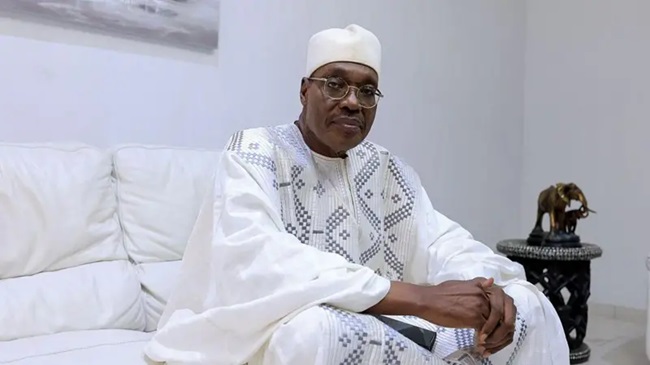
For years, opposition leaders have argued that President Biya’s long rule has exhausted the country’s political institutions and that Cameroon urgently needs democratic renewal. If that diagnosis is correct, then the president’s extended stay abroad should have represented a defining political moment. Instead, Issa Tchiroma, Akere Muna, Maurice Kamto, Joshua Osih and others have largely settled for press conferences, social media statements and isolated criticisms that have failed to generate sustained national momentum.
The problem is not a lack of grievances. Cameroon faces persistent economic pressures, youth unemployment, insecurity in several regions and widespread public frustration over governance. These concerns are real and deeply felt. What has been missing is an opposition capable of organizing these frustrations into a coherent political project.
Too often, opposition parties such as the SDF, MRC, UNDP and of late Issa Tchiroma’s majority following appear more invested in competing with one another than in building a united front. Personal rivalries overshadow strategic cooperation. Leaders who speak passionately about change frequently struggle to agree on common priorities or a shared electoral strategy. The result is fragmentation at precisely the moment when unity would carry the greatest political weight.
The inability to capitalize on President Biya’s prolonged absence also raises questions about preparation. Effective opposition movements do not wait for political openings to develop policies, grassroots networks or leadership structures. They spend years building credibility so that when circumstances shift, they are ready to offer themselves as a convincing alternative. In Cameroon, that level of preparation has often been lacking.
Many Cameroonians seeking change are left asking a difficult question: if the opposition cannot organize effectively during one of the most politically symbolic periods in recent years, how can it persuade voters that it is prepared to govern a complex country?
Criticism of the government alone is no longer enough. Cameroonians increasingly want practical proposals on economic recovery, employment, national reconciliation, decentralization, security and institutional reform. An opposition that defines itself solely by opposition risks only reinforces the perception that it has no governing vision beyond replacing those currently in power.
This is not to ignore the genuine constraints facing opposition parties. Cameroon has long been criticized by domestic and international observers for restrictions on political competition, unequal access to state resources and legal and administrative obstacles confronting opposition actors. These realities make political mobilization considerably more difficult. However, structural disadvantages cannot explain every missed opportunity. Political leadership is ultimately measured not only by the obstacles it faces but also by its ability to adapt, innovate and inspire under difficult conditions.
President Biya’s extended stay abroad has once again highlighted the uncertainties surrounding Cameroon’s political future. Yet history may judge this period not only by the actions of those in power, but also by the inability of their challengers to present themselves as a disciplined, united and credible alternative.
Political opportunities are rarely permanent. They emerge unexpectedly and disappear just as quickly. Unless the Cameroonian opposition can overcome its divisions, articulate a compelling national vision, and build genuine grassroots momentum, it risks watching another historic opening pass by—leaving the country’s political landscape fundamentally unchanged. Kamto, Akere, Tchiroma-over to you people!
By Soter Tarh Agbaw-Ebai