19, December 2019
Southern Cameroons granted special status by its colonial masters 0
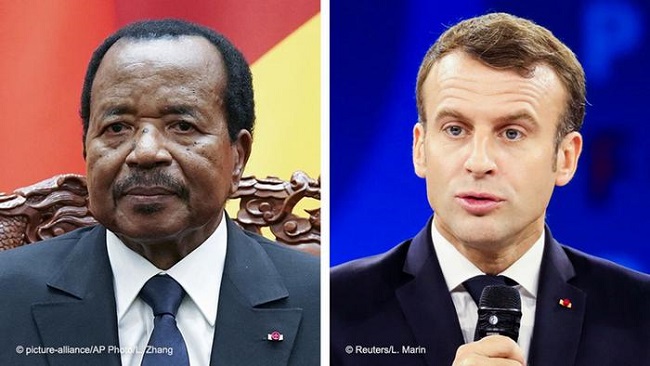
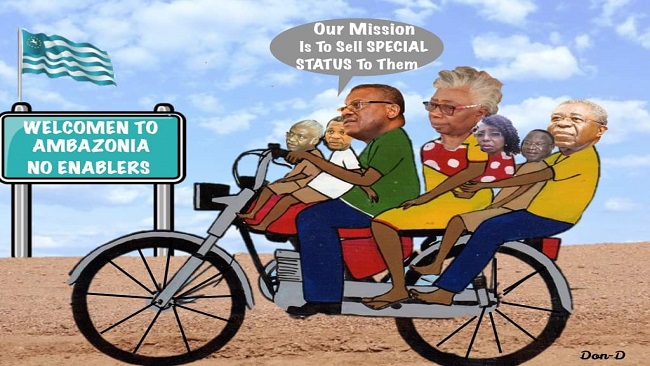
Lawmakers in French Cameroun on Wednesday adopted a draft law on decentralization granting special status to the country’s two English-speaking regions, where a deadly conflict between the army and separatists has been going on for more than two years, according to national radio.
The Cameroonian radio station explained that if the law is approved by the Senate and promulgated, the regions will be allowed to develop public policies in the areas of education and justice.
This special status was the main recommendation agreed upon by the participants at the Grand National Dialogue convened by President Paul Biya in early October to end this crisis, which has left more than 3,000 people dead.
At a time when many voices were being raised to criticise the limited legislative follow-up to this major dialogue, the National Assembly met in extraordinary session on Friday to finally examine this bill.
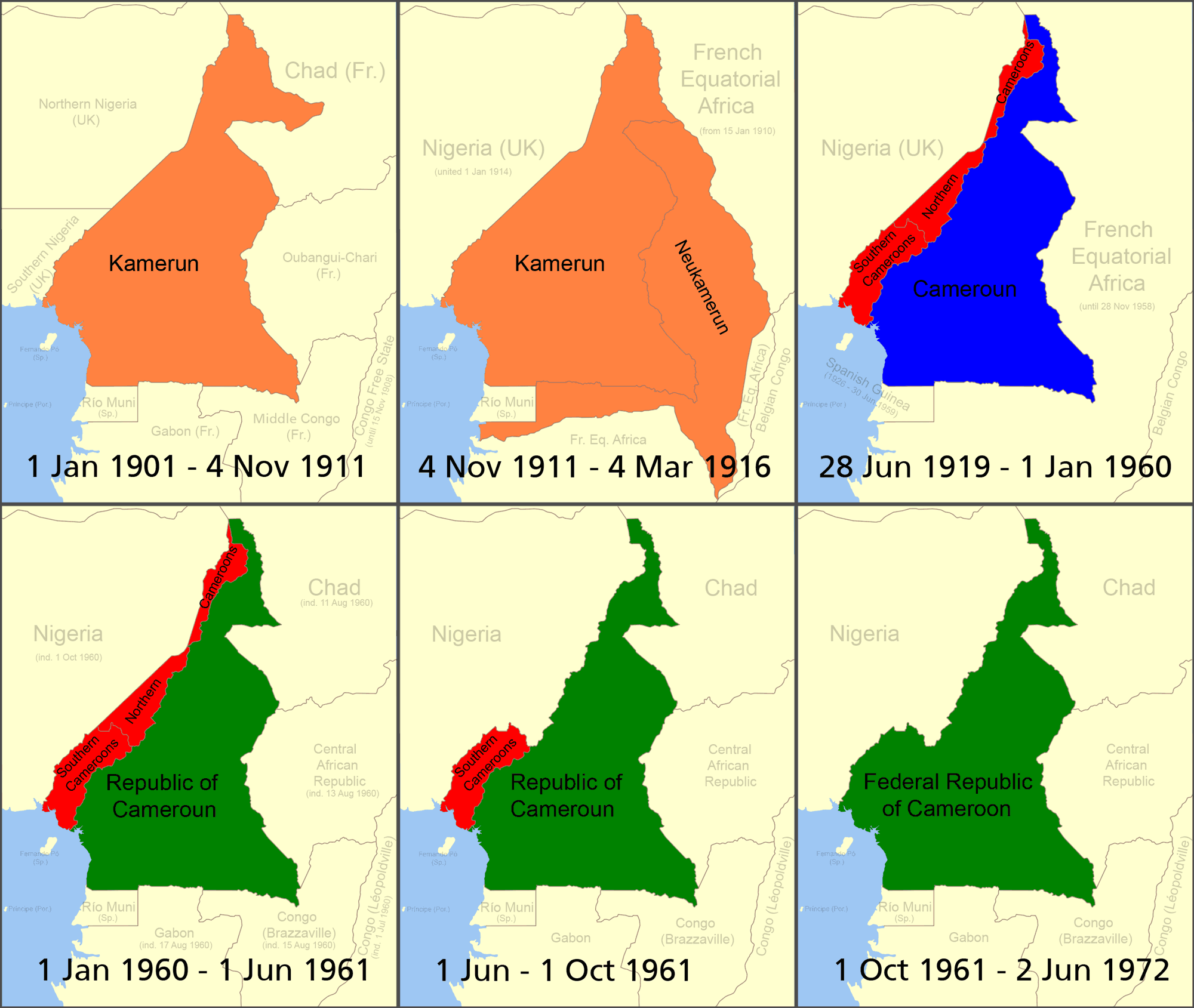
Most of Cameroon’s Anglophones live in these regions, who consider themselves disadvantaged compared to the country’s Francophone majority. The crisis began in November 2016, with mainly demands from teachers or lawyers, calling for more representativeness for Anglophones. Most of them called for a return to federalism, but a minority demanded independence and the proclamation of a new state, Ambazonia.
But in the face of Yaoundé‘s intransigence and the repression of peaceful demonstrations, the conflict has intensified. At the end of 2017, some of the separatists took up arms.
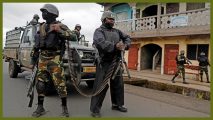
Since then, fighting has been raging between the army and these armed groups, taking the population in hand. Over the past two years, more than 700,000 people have had to flee their homes.
After more than two years of conflict, Yaoundé decided at the end of September, under international pressure, to organize this dialogue to resolve the crisis.
Will a special status resolve crisis?
The boycott of this meeting by the main pro-independence leaders did not prevent the participants from advocating decentralization through the creation of this “special status”. A proposal far removed from federalist aspirations, for the most moderate, and independenceist for armed groups, but which had raised hopes of a return to the price after two years of inaction.
However, these discussions have so far not been successful in bringing peace. Worse still, fighting and violence against civilians have intensified, several NGOs reported in early December.
Parliamentary elections are scheduled to be held in Cameroon in February 2020, but the two main opposition parties have announced their intention to boycott the elections, which they consider to be unrealistic due to the fighting in these two regions.
AFP with additional editing from Camcordnews














21, December 2019
Southern Cameroons Crisis: Candidates For 2020 Elections Resign Amid Threats, Attacks 0
Several dozen English-speaking candidates in Cameroon’s Feb. 9, 2020 local council and parliamentary elections have resigned amid separatist threats and attacks on them and their property. Houses belonging to some of the candidates have been razed and the whereabouts of others are unknown.
Dozens of people visited the Yaounde residence of Joseph Mbah Ndam, vice president of Cameroon’s National Assembly, the lower house of its Parliament to offer condolences after his house was destroyed by separatist fighters this week.
Among the visitors was 21-year-old businessman Elvis Mbuh, who said he witnessed the incident and fled to Yaounde because he and the lawmaker’s relatives were threatened by separatist fighters.
“They were just shooting in the air,” Mbuh said. “They told us that anybody who did not respect what they said would be killed. Then they asked us, ‘Where is Mbah Ndam? Where is Mbah Ndam?’ We saw fire everywhere and they told us that they would come back if we go to vote.”
Shortly after Ndam’s residence was burned, Batibo Mayor Tanjoh Fredrick Tetuh decided not to run for re-election, saying the security situation there, the killings and abductions, did not permit him to run.
Separatist fighters have said on social media that they will not allow the elections to take place in the English-speaking regions they call their territory. The separatists claimed responsibility for the abduction of at least 40 candidates for Parliament and local councils who defied their demands to resign. The whereabouts of some of the abducted candidates is still unknown.
The separatists admitted that they torched at least six houses of candidates who escaped to the French-speaking regions for safety and refused to resign. One such house, they said, belonged to Donatus Njong, mayor of the English-speaking town of Kumbo. Njong did not bow to separatist pressure to resign and escaped from Kumbo to the French-speaking region.
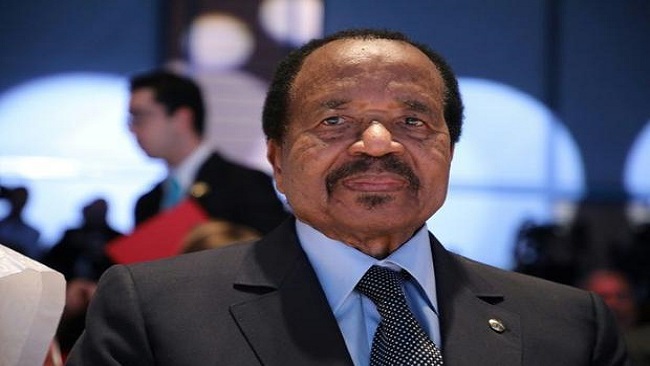
Amid the tensions and threats, the opposition Social Democratic Front and the ruling Cameroon Peoples Democratic Movement of President Paul Biya announced that at least 27 candidates for the elections have resigned.
Maurice Tangem, candidate for Parliament in the English-speaking town of Mbengwi is among those who resigned. He doubts elections can be successful under the prevailing security situation in the English-speaking regions.
“Considering the failure by the president of the republic to create an enabling atmosphere for such elections, considering the ongoing extrajudicial killings in the Anglophone regions, I now officially withdraw from the said elections, which will be nothing but a sham if they [the elections] at all hold amidst prevailing circumstances,” he said.
Cameroon’s territorial administration minister, Paul Atanga Nji, insisted that in spite of the threats, the elections will still take place. He said security in the crisis zones must be improved and called on residents in those areas to work with the military and the administration by reporting suspected separatists in their towns and villages.
“In the northwest and southwest, the head of state has given firm instructions that we have to do everything for this elections to hold properly,” he said. “The security services must protect the electorate, protect those who are going to vote, protect the system and protect all the structures put in place to conduct free and fair elections.”
Separatists have been fighting since 2017 to detach English-speaking northwest and southwest Cameroon from the rest of the country and its French-speaking majority. The government organized what it called a “grand national dialogue” to solve the crisis.
The dialogue suggested a special status for the two English-speaking regions, with elected presidents and vice presidents and additional powers given to mayors, but the separatists rejected that proposal, saying they want nothing but an independent state.
The crisis has killed at least 3,000 people and displaced over 500,000 according to the United Nations.
Source: VOA