
10, March 2019
Constitutional crisis worsens in Cameroon 0
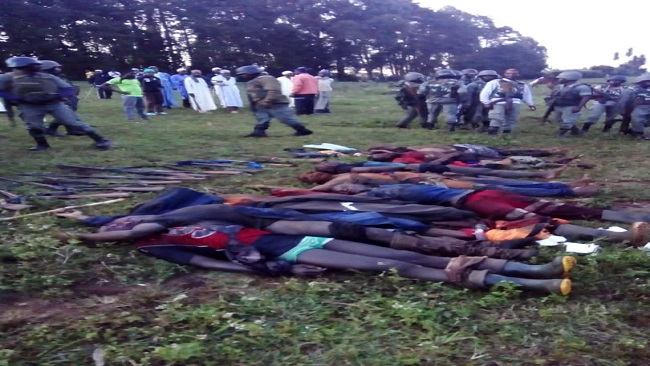
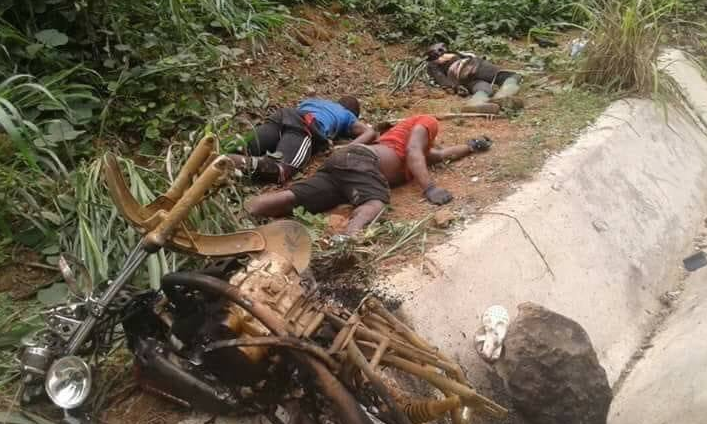
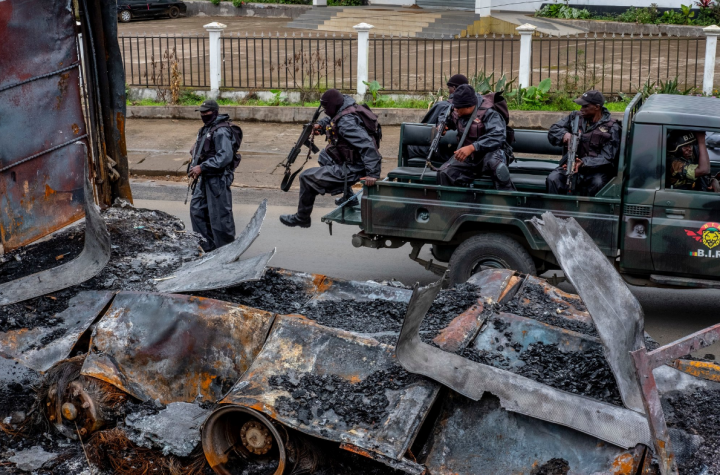
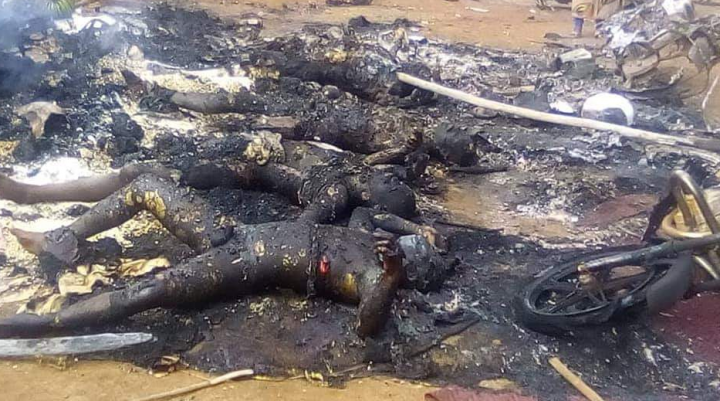
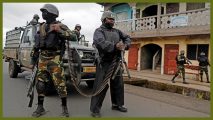
What started as a struggle for sovereignty by citizens of southern Cameroon has spiraled into a full-blown crisis. Rebel groups seeking an end to what they consider domination of the anglophone south by the francophone north have taken up weapons against the government’s security forces, causing hundreds to die while tens of thousands are forced from their homes.
Factories have been shuttered, roads have become impassable, warehouses have been destroyed, and truck drivers are routinely kidnapped for ransom.
The current crisis heated up in 2016 when activists in Cameroon’s western provinces protested the official use of the French language in these predominantly anglophone regions.
In the past two years, those protests have turned deadly.
A prominent Cameroonian scholar and professor at the University of the Witwatersrand in South Africa, Achille Mbembe, observes that Anglophone Cameroonians “don’t feel there is a place for them in the current administrative and political order in the country.”
People complain about being marginalized because the administration doesn’t speak their language, Mr. Mbembe says, adding that the controversy over language is an expression of deeper, long-held grievances around good governance and equitable political and social representation.
Humanitarian problems
UN Secretary-General António Guterres in September 2017 urged Cameroonian authorities to “promote measures of national reconciliation aimed at finding a durable solution to the crisis, including by addressing its root causes.”
In her report to the 39th session of the UN’s Human Rights Council last September, UN High Commissioner for Human Rights Michelle Bachelet mentioned the crisis in Cameroon: “Fighting has intensified in the so-called anglophone regions between security forces and armed groups.
“The government has not acted to promote the conference on dialogue suggested by religious leaders, and there is still no mechanism in place which could envisage a halt in hostilities in the short term.”
Approximately 437,000 people are internally displaced across the affected provinces, said David Malan of the local Norwegian Refugees Council Office in an interview with Africa Renewal.
Most displaced people are taking refuge in remote rural areas or in surrounding bushlands and forests, several humanitarian agencies confirmed. Mr. Malan added that “getting them needed help has proved challenging.”
Business
Cameroon’s GDP growth had been projected to reach 3.8% this year, a rebound from the previous year, due to an increase in natural gas production. That goal is now likely unattainable.
The country’s economic growth “depends on the government’s ability to successfully handle the violent secessionist conflict in the two anglophone regions,” the World Bank stated last October.
The western provinces, hotbed of the crisis, produce cocoa and coffee, the country’s two main agriculture exports. Oil production, which accounts for an estimated 40% of the country’s GDP, mostly takes place in the coast of the Southwest Region.
Groupement inter-patronal du Cameroun (GICAM), an association of business leaders, declared in September that violence in two anglophone regions in the west of the country was forcing companies to halt operations.
Due to the crisis, GICAM estimates total loss of revenue as of October 2018 to be about $470 million, while 13,000 jobs, mostly in the agricultural sector, have been or are about to be lost.
Regional concerns
While fighting so far is within Cameroonian borders, there are fears its escalation could destabilize all of Central Africa and parts of West Africa.
Cameroonian refugees have begun moving to border communities in Cross River State in the south of neighboring Nigeria. They arrive nearly destitute and eke out a living in low-wage jobs.
They are mostly young people and women who have witnessed violence firsthand. “I could not take any clothes. There was shooting—they killed my uncle and shot my cousin,” a 39-year-old mother of four told UNHCR, in a story published on the refugee agency’s website.
Janet Obi, who used to trade in cocoa and clothes back home in Cameroon, is now tending cornfields in a village in Nigeria, the Qatar-based media company Al Jazeera reported in August.
“I get paid between 500 to 1,000 naira [$2 to $4] a day,” Stella Obi (no relation of Janet) told Al Jazeera as she worked the soil in a small vegetable field. “I never tasted this kind of suffering when I was in my village in Cameroon.”
These refugees are “employed as cheap day labourers, mostly in cocoa fields,” Chiara Cavalcanti of the UN High Commissioner for Human Rights (UNHCR) told Africa Renewal. Just as it is for western Cameroon, cocoa is Cross River State’s main commercial agricultural product.
Meantime, rights groups continue to denounce both the activities of the separatists and the central government’s tough response. Political observers warn that government crackdowns may exacerbate the situation.
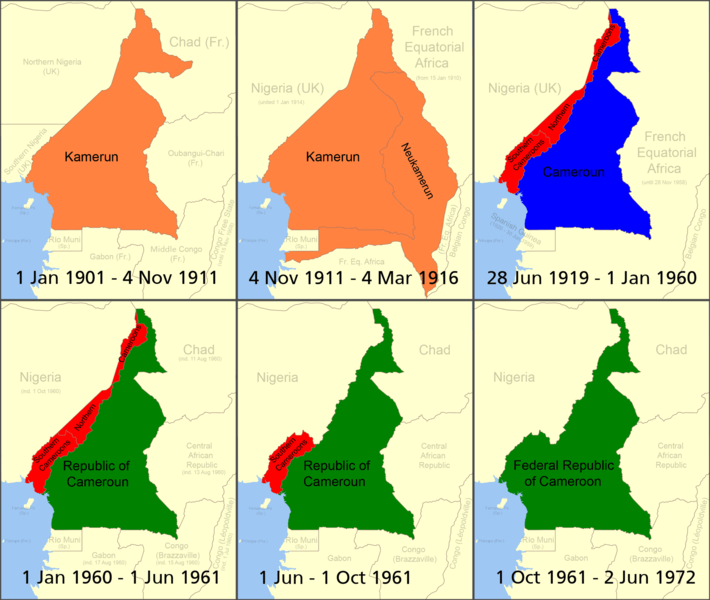
Cameroon gained independence in 1961 and operated a federal system comprising two former UN trusteeship territories: French Cameroun and British Southern Cameroon. In 1972, the federal state was abrogated in favour of the United Republic of Cameroon, which was later renamed Republic of Cameroon.
In 1990, the first All Anglophone Conference was held in Buea, the historic capital of British Southern Cameroon. The participants called for a return to a federal state by April 1993, deeming the federal arrangement a better option than the prevailing unitary system.
The dream of a federal government did not materialize, sparking complaints over the years by people in the western regions that they were being marginalized by the central government.
Although the government has made efforts to address the situation by promising an inclusive approach to governance, few or no actions seem to have been taken, which prompted the latest protests and the ensuing violence.
The Catholic Church steps in
The Catholic Church recently renewed its calls for dialogue. “The Catholic Church can help break this dangerous stalemate,” suggests the Brussels-based international policy research group International Crisis Group (ICG).
Some 30% of the Cameroonian population is Catholic, giving the religious body clout to bring the warring parties to a peace table, the ICG believes.
Still, there appears to be divisions between anglophone and francophone clergies. Those divisions “stand in the way of [the Catholic Church] playing a constructive role,” notes the ICG.
To resolve the crisis and bring stability to the country, Mr. Guterres indicated his preference for a “genuine and inclusive dialogue between the government and the communities in the South-West and North-West regions.”
Culled from NewsGhana












13, March 2019
Cameroon jails 26 for one year over protest 0
The opposition Renaissance Movement (MRC) leader Maurice Kamto was charged on February 2 with “rebellion” and “insurrection.”
Twenty-six people who were arrested in Cameroon in January during protests called by opposition leader Maurice Kamto have been given one-year jail terms, one of their lawyers said Wednesday.
The sentences for “illegal gathering and demonstration” were issued late Monday by a court in the capital Yaounde, said Sylvain Souop, an attorney for Kamto’s party, the Movement for the Rebirth of Cameroon (MRC).
“We have filed an appeal,” he said. “(The decision) is scandalous – it goes against every rule of the law.”
“At least 12” of those sentenced are MRC members while the others had been planning to take part in a non-political demonstration scheduled to be held in Yaounde the same day, he said.
He and around 150 other people were arrested in late January and have been held for nearly three weeks by police in the capital Yaounde.
Eleven other detainees were released, he said. Kamto and dozens of supporters were also arrested over the demonstration, which the MRC chief had called to protest over last October’s presidential elections.
Head of state Paul Biya, 86, was re-elected to a seventh straight term with 71 percent of the vote, followed by Kamto with 14.2 percent, according to official figures for the poll.
The arrests were criticised by the European Union and Amnesty International, while the United States urged Cameroon to release Kamto, saying that his detention was widely perceived as politically motivated. Kamto was charged on February 2 with “rebellion” and “insurrection.”
AFP