
18, May 2019
Southern Cameroons Crisis: The government is under enormous pressure 0
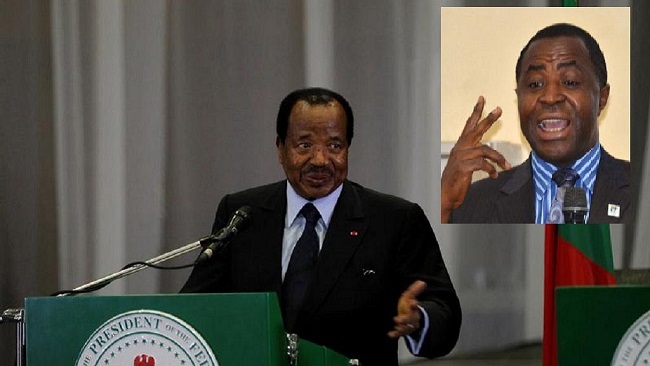
The Yaounde government is coming under enormous pressure. The regime that once said the form of the state was non-negotiable, is today contemplating building a federal system for the country.
The country’s Prime Minister recently indicated that the president wanted to dialogue, but would not dialogue with separatists. This position is gradually changing as the international community mounts more pressure.
The government is gradually cracking and Americans are not relenting. The government dissolving resolve can be clearing noticed as government ministers keep on contradicting each other.
Speaking on Friday, May 17 on France 24, the country’s territorial administration minister, Atanga Nji, an ex-convict, said that the president was ready and willing to dialogue with separatists. A significant shift in the government’s rhetoric.
A shift that is being welcome across the world, though many observers are still skeptical about the regime. They hold that the government must put forth a clear agenda, adding that there must be a mediator and the genuine inclusive dialogue must be held out of the country for the Diaspora and civil society to fully participate.
But before this happens, the Biya regime must change its ways. The Yaounde government must submit itself to international scrutiny.
Stopping human rights groups from coming into the country does not give the nation a good name. The International Crisis Group has been banned in Cameroon as the rights group has been very critical of the dictatorial regime.
A Human Rights Watch representative was recently refused entry into the country. Amnesty International is not given free and unfettered access to the two English-speaking regions of the country for it to document atrocities.
The government must understand that these organizations have the resources and means to conduct open source investigation to obtain the facts they need. What is the government hiding that it does not want the international community to know?
The government’s dishonesty and refusal to hold a truly genuine dialogue on the Southern Cameroons crisis has put the country in the spotlight for all the wrong reasons.
The Southern Cameroons Diaspora has done a good job at courting the international community and the fruits are there. Americans have embraced the cause and they are doing all they can to rally other countries to the cause.
The Americans and Canadians are pouring enormous pressure on the government. America does not want to break up the country, but it is clear when it comes to what it wants.
The US wants a federal system for Cameroon and Tibor Nagy, the American undersecretary for African Affairs, is promoting this idea and the American society has bought the idea hook, line and sinker.
This has also been the Canadian idea since the conflict started some three years ago and the Canadian government is not wavering on this.
It has the experience of dealing with minorities and can help Cameroon build a solid federal system that will make the Central African nation one of the best countries in the world.
Southern Cameroonians might have lost loved ones and homes, but they must work with the Americans to address those issues that have triggered this unfortunate situation.
Extremism in this case will be foolish. America and Canada are great allies. Do not alienate them. The Diaspora that has so far done a great job can now start sensitizing the fighters on the ground regarding the American, Canadian and UN positions.
The real work has just started and all Southern Cameroonians must make their contribution.
Dr Arrey Joachim
















20, May 2019
As Southern Cameroonians Boycott 20th May Celebration, Western Diplomats Help Biya Regime Avoid Embarrassment 0
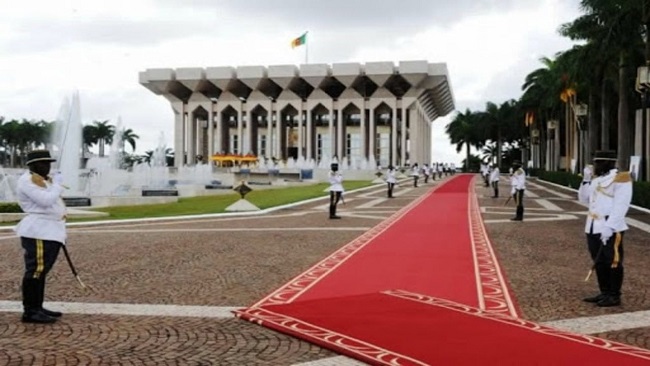
Fighter aircrafts bearing names of Ambazonian towns and cities that were flying the Yaoundé sky to celebrate Cameroon’s National Day may not have been the only kind gesture that the Biya regime extended to Southern Cameroonians to avoid embarrassment. They had also been used in attacks in Southern Cameroons to kill women and children.
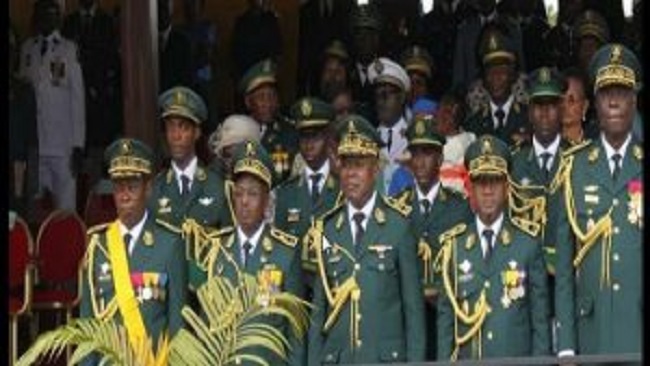
By early evening on Sunday in the Federal Republic of Ambazonia, it became clear that there will be a marked low attendance of the so-called National Day at the Bongo Square in Buea because of the Southern Cameroons boycott. Cameroon Intelligence Report sources say that it was at this juncture that the Biya Francophone Beti Ewondo regime decided to bring in van loads of its military personnel from La Republique in an attempt to prove that Cameroon was indeed one and indivisible.
The US ambassador and several other western diplomats were present at the Yaoundé 20th may Boulevard today. However, many more French Cameroun soldiers arrived in vans in both the Northern and Southern Zones of the Federal Republic of Ambazonia to increase the number of people at the 20th May National Day celebration.
Some French Cameroun officials have however denied knowledge of any such development and pointed out that the number of guests from French Cameroun for the 20th May National Day celebration in Ambazonia were high even in the previous years before Biya declared war against the people of Southern Cameroons. However, given the strong bond that the ruling CPDM government and some corrupt Southern Cameroons political elites enjoy, the possibility of Yaoundé trying to bail out it’s newly appointed Prime Minister, Chief Dr Dion Ngute and a cream of Southern Cameroons political elites to get out from yet another spot cannot be ruled out.
But irrespective of the French Cameroun Biya effort, participation at the 20th May function in Southern Cameroons remained significantly low.
Today’s 20th May celebration in Southern Cameroons was marred by intrusive behavior and harassment of the French Cameroun CPDM guests in every nook and crannies of the Federal Republic of Ambazonia. It was very clear that the boycott was sparked off by a call from the Ambazonia Vice President, Dabney Yerima’s decision to officially boycott the celebrations due to French Cameroun’s murderous attack throughout Southern Cameroons territory.
The unprecedented and over-zealous move by the Francophone governors of the South West and North West regions did not only target pro Yaoundé Southern Cameroonians during today’s 20th May celebrations, subjecting them to intense French Cameroun security scrutiny but also prevented most of the Ambazonian moderate invitees from entering the Buea or Bamenda 20th May Boulevard.
The Cameroon National Day is officially celebrated on May 20th.While no senior elite from British Southern Cameroons were noticeable anywhere in the Northern and Southern Zone, the usually packed French Cameroun celebration that every year overflows with Francophone SDOs and DOs was an extremely low-key affair this Monday.
By Seseskou Asu Isong in London