6, January 2026
CPDM Crime Syndicate and the cost of an aging political class 0
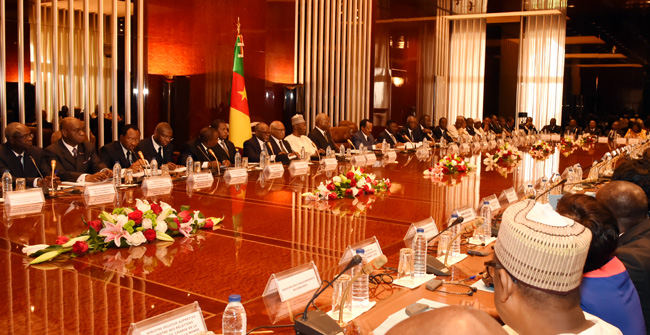
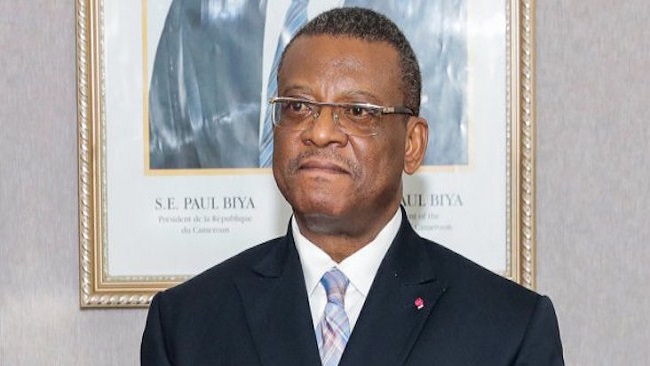
The failed Biya regime in Yaoundé has entered 2026 with a political structure that does not reflect continuity but a growing fragility. Many senior cabinet ministers and top government officials including Prime Minister Dion Ngute, Laurent Esso and Maigari Bello Bouba have held office for decades, well past the age when most public servants elsewhere have retired. Biya and his ruling CPDM gang have always claimed that experience is an asset. However, prolonged reliance on aging leadership carries unavoidable risks for governance, stability, and national planning.
Nature is very impartial. Old age naturally brings health challenges, reduces performance, and increase the possibility of absences from public life-a situation that the Cameroonian nation has long been witnessing with President Biya. When state affairs are heavily concentrated in the hands of a living corpse, any unexpected loss can create disruption, uncertainty, and power struggles.
Yet the ruling CPDM party has been slow to institutionalize succession. In Cameroon, government departments revolve around individuals rather than a proper administrative system, and younger professionals are rarely groomed to step into senior roles. This leaves the cursed triangle very vulnerable, not because of the 92 year-old Mr. Biya alone, but because of a structure that resists renewal.
The issue is not about disrespecting elderly states men like Justice Minister Laurent Esso who recently could not afford money for his medical bills abroad. It is about realism. Countries that plan for continuity do not wait for crises to force change. They create pathways for mentorship, orderly transition, and generational balance long before vacancies arise.
Our nation’s population is young, educated and very dynamic. But the corrupt leadership remains disproportionately old. This disconnect is greatly fueling frustration among young citizens who see limited opportunities for participation and innovation. A government that does not renew itself risks losing legitimacy in the eyes of the very people it governs. The Biya regime is already on this path.
As 2026 unfolds, the question is not whether time will assert itself—it always does. The real question is whether Cameroon will continue to react to change, or finally prepare for it. Responsible governance demands foresight, not denial. Leadership renewal is not a threat to stability; it is the foundation of it.
By Chi Prudence Asong















15, January 2026
Ugandans vote amid internet blackout and police repression 0
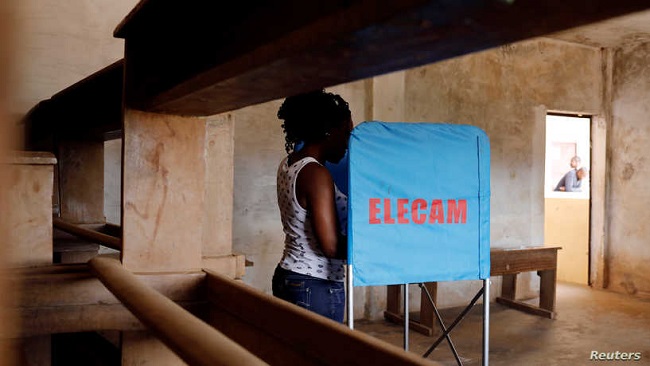
Voting began Thursday in Uganda’s presidential election despite a days-long internet shutdown that has been criticised as an anti-democratic tactic in a country where the president has held office since 1986.
Crowds gathered and long lines formed in some areas as polling station openings were delayed and voting materials were seen being delivered after the scheduled 7am opening time.
President Yoweri Museveni, 81, faces seven other candidates, including Robert Kyagulanyi, a musician-turned-politician best known as Bobi Wine, who is calling for political change.
The East African country of roughly 45 million people has 21.6 million registered voters.
Polls are expected to close at 4pm Thursday, according to the electoral commission. Results are constitutionally required to be announced in 48 hours.
Impatient crowds gathered outside polling stations expressing concerns over the delays Thursday morning. Umaru Mutyaba, a polling agent for a parliamentary candidate, said it was “frustrating” to be waiting outside a station in the capital Kampala.
“We can’t be standing here waiting to vote as if we have nothing else to do,” he said.
There have been concerns about transparency, the possibility of hereditary rule, military interference and opposition strategies to prevent vote tampering at polling stations.
Uganda’s internet was shut down Tuesday by the government communications agency, which cited misinformation, electoral fraud and incitement of violence. The shutdown has affected the public and disrupted critical sectors such as banking.
There has been heavy security leading up to voting, including military units deployed on the streets this week.
Amnesty International said security forces are engaging in a “brutal campaign of repression”, citing a November 28 opposition rally in eastern Uganda where the military blocked exits and opened fire on supporters, killing one person.
Museveni urged voters to come out in large numbers during his final rally Tuesday.
“You go and vote, anybody who tries to interfere with your freedom will be crushed. I am telling you this. We are ready to put an end to this indiscipline,” he said.
The national electoral commission chairperson, Simon Byabakama, urged tolerance among Ugandans as they vote.
“Let us keep the peace that we have,” Byabakama said late Wednesday. “Let us be civil. Let us be courteous. Let’s be tolerant. Even if you know that this person does not support (your) candidate, please give him or her room or opportunity to go and exercise his or her constitutional right.”
Authorities also suspended the activities of several civic groups during the campaign season. That Group, a prominent media watchdog, closed its office Wednesday after the interior ministry alleged in a letter that the group was involved in activities “prejudicial to the security and laws of Uganda”.
Veteran opposition figure Kizza Besigye, a four-time presidential candidate, remains in prison after he was charged with treason in February 2025.
Source: AP