6, July 2022
CAF President Motsepe confirms postponement of 2023 Africa Cup of Nations 0
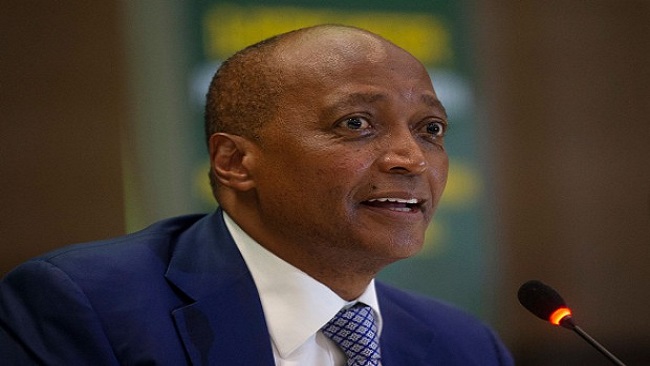
CAF through its President, Patrice Motsepe, made the announcement on Sunday
The 2023 edition of the Africa Cup of Nations (AFCON) initially billed to take place in Cote d’ Ivoire from June 2023 has been postponed to January 2024.
The decision was one of the key decisions taken during the Confederation of African Football(CA) Executive Committee meeting held on Sunday.
CAF through its President, Patrice Motsepe, announced the 34th edition, which was initially scheduled from June 23 to July 23, 2023, will no longer go on as planned due to the weather conditions in the West African country.
“The 2023 Afcon will now be played between January and February 2024,” Mostepe told the media during a press conference in Morocco.
“This is one of the issues we discussed during our congress meeting here in Morocco and the official dates will be communicated later.
“It is after deliberations we came into the decision, we have partners and even though we make decisions, it is out of respect that we take the advice we are getting that we cannot take a risk [to host the tournament] and so that is why we have made the necessary announcement today [Sunday].
“It is not good for African football to play a tournament that can be washed out, it is not good for Africa and the continent at large and so we have to postpone it.”
Motsepe, however, lauded Ivory Coast for the preparations they have already put in place to stage the tournament.
“I am happy and impressed with the infrastructure put in place by Ivory Coast in readiness for the tournament and I am sure they will host a very good tournament,” Motsepe continued.
The Super Eagles of Nigeria are one of the teams eyeing qualification for the next AFCON tournament and they have started the qualification series quite well; winning their first two games against Sierra Leone and then Sao Tome and Principe.
At the last edition of the biennial football tournament held in Cameroon, the Super Eagles despite showing early signs of promise crashed out in the second round in a 1-0 loss to Tunisia’s Carthage Eagles.
Senegal went on to be crowned champions after defeating Egypt on penalties in the final.
It is worthy to note that the AFCON tournament held in Cameroon also suffered its own fair share of postponements.
However, unlike this case where CAF is making a decision due to weather contingencies, the tournament in Cameroon was postponed due to the COVID-19 pandemic.
Culled from Marketscreener





















16, July 2022
Women’s Football: Nigeria beat Cameroon to book World Cup place 0
Nigeria beat Cameroon 1-0 to reach 12th consecutive semi-final in the Women’s African Cup of Nations
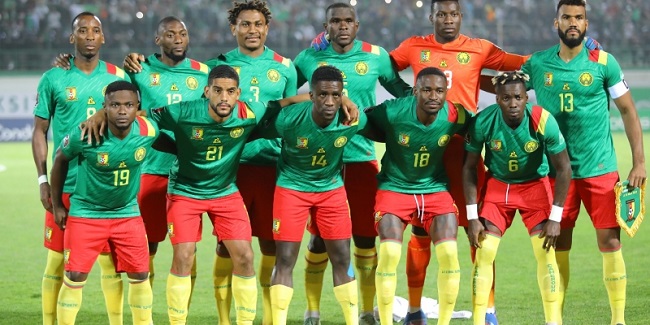
The Super Falcons of Nigeria beat the Lionesses of Cameroon 1-0 to progress to the semi-final of the ongoing Africa Women’s Cup of Nations in Morocco.
Rasheedat Ajibade fired Nigeria into the lead in the second half of a competitive match between the West Africa neighbours.
The win ensured that the Super Falcons qualify for the 2023 FIFA Women’s World Cup.
The four teams that progress to the semi-finals of the WAFCON get automatic tickets for the Women’s World Cup to be hosted by Australia and New Zealand next year.
The team adjudged to have finished fifth would be presented with a chance via a Playoff Tournament in January 2023 to join the party.
Source: Chronicle